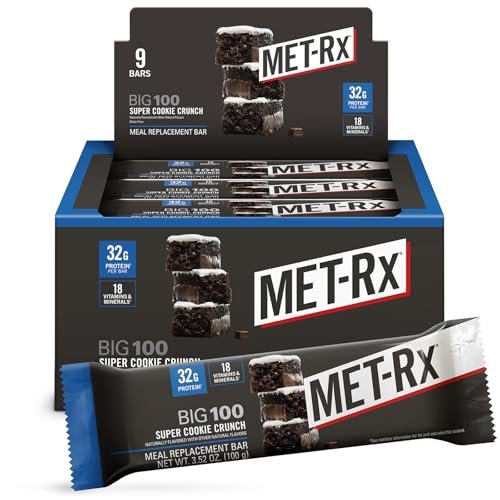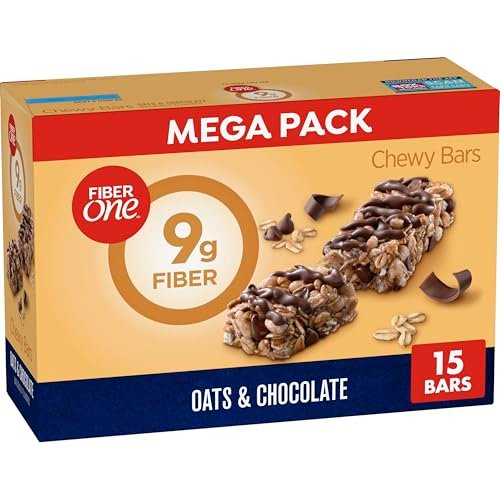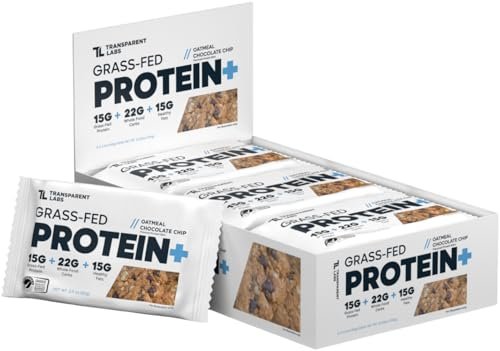
Can Protein Bars Help You Gain Weight? A Complete Guide
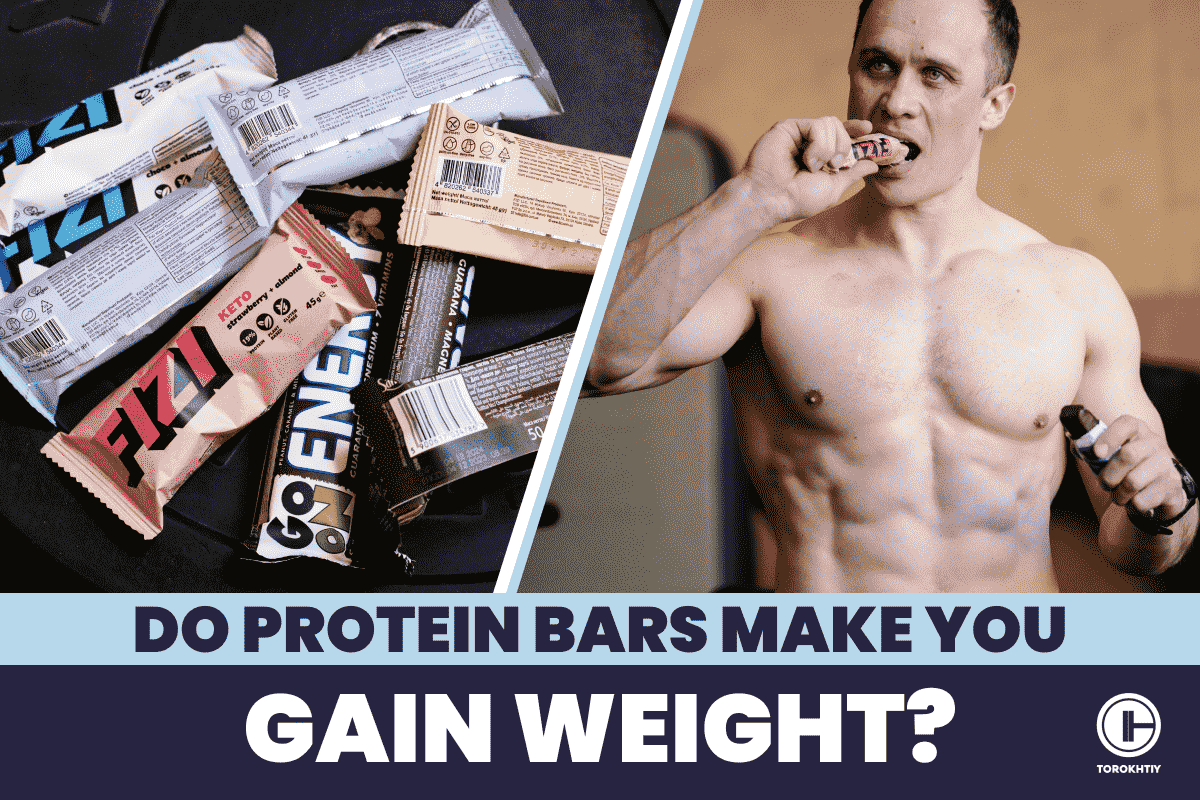
If you are trying to gain weight, a protein bar can be a simple tool. It can fit into a busy U.S. workday, a gym bag, or a snack between meals. But the bar itself is not what causes weight gain. Your overall food intake is what matters.
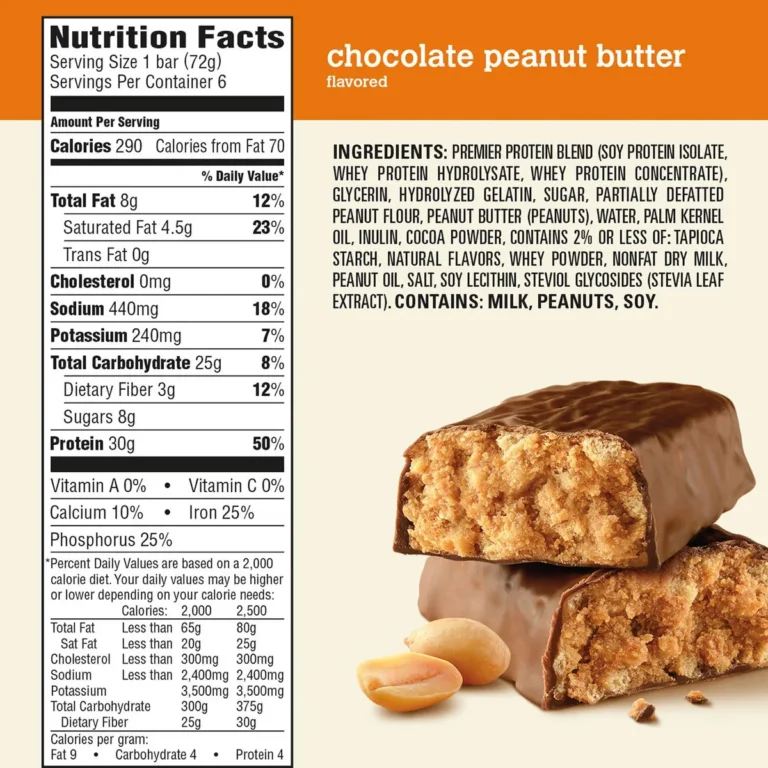
The key question is not only how much protein a bar has. Look at its total calories, carbs, fats, protein, fiber, and added sugar. A bar with 200 calories may do little for someone who struggles to eat enough, while a higher-calorie bar may make it easier to reach a calorie surplus.
Healthy weight gain also means looking beyond the scale. If your goal is muscle, resistance training, enough protein, sleep, and a balanced diet all matter. Protein supports muscle repair, but extra protein alone does not build muscle without the training stimulus.

How Protein Bars Can Help You Gain Weight
The main way protein bars can help you gain weight is simple: they can make it easier to eat more calories. Weight tends to increase when you take in more energy than your body uses over time. A protein bar can add those extra calories without requiring a large meal.
This can help people who have a small appetite or a busy schedule. For example, someone who eats breakfast early, works all day, and trains after work may find it hard to fit in another full meal. A bar can provide a quick snack before or after training.
The calorie amount matters more than the word protein on the package. A protein bar with 180 calories may support a diet that already meets calorie needs, but it may not create the extra intake needed for weight gain. A higher-calorie bar may be more useful when paired with normal meals.
- ✦ Extra calories
A bar can add calories between meals. This may help create the calorie surplus needed for gradual weight gain.
- ✦ Convenience
Bars are easy to carry and eat at work, school, during travel, or around a workout.
- ✦ Protein
Protein helps support muscle repair and growth when combined with suitable resistance training and enough total food.
- ✦ Easy portion control
A packaged bar gives you a clear serving size, which can make daily intake easier to track.
A Calorie Surplus Is the Key
To gain body weight, you generally need to consume more calories than you use over time. A protein bar can help only if it raises your total daily intake enough to support that goal.
This is why two people can eat the same bar and see different results. One person may gain weight because the bar adds calories to an already adequate diet. Another may maintain weight because the bar simply replaces another snack or meal.
Protein Helps, but More Is Not Always Better
Protein is important for maintaining and building muscle. However, eating more protein does not automatically mean more muscle or more healthy weight. Your body also needs enough total calories and other nutrients.
For healthy adults, protein needs vary with body size, age, health, and activity. People who lift weights often need more protein than sedentary adults, but very high intake is not automatically better.
What to Look for in a Protein Bar for Weight Gain
If your goal is weight gain, do not choose a bar based on protein alone. Read the Nutrition Facts label and check the calories first. Then look at protein, carbohydrates, fats, fiber, added sugar, and the ingredient list.
There is no single perfect protein bar. The right choice depends on your diet and your calorie needs. Someone who needs a small snack may prefer a lower-calorie bar, while someone who struggles to eat enough may need a more energy-dense option.
- ✦ Calories
Choose a calorie level that helps you meet your daily target without making the bar your main source of food.
- ✦ Protein
Look for a useful amount of protein that fits your daily needs. Whey, milk, soy, pea, and other protein sources can all be used.
- ✦ Carbohydrates
Carbs provide energy and can make a bar more useful around exercise or between meals.
- ✦ Healthy fats
Nuts, seeds, nut butter, and other fat sources can add calories without requiring a large food volume.
- ✦ Fiber
Fiber can support digestive health, but very large amounts may make some people feel too full when trying to eat more.
- ✦ Added sugar and sodium
A higher-calorie bar does not need to be loaded with added sugar or sodium. Compare labels and choose a bar that fits your overall diet.
High-Calorie Does Not Mean Unhealthy
When someone needs to gain weight, calories are not the enemy. The goal is to get useful calories from a balanced diet rather than relying mainly on candy, sugary drinks, or highly processed snacks.
A bar with nuts, seeds, oats, dried fruit, whole grains, and a quality protein source may provide a useful mix of nutrients. It can be even more useful when paired with foods such as fruit, yogurt, milk, or a sandwich.
Protein Bars vs. Whole Foods for Weight Gain
Protein bars can be useful, but whole foods should usually make up most of your diet. Foods such as eggs, milk, yogurt, beans, lentils, fish, poultry, nuts, seeds, oats, rice, potatoes, fruit, and whole grains provide a wider range of nutrients.
Whole foods can also make it easier to build complete meals. A bar is convenient, but it may not provide the same mix of vitamins, minerals, fiber, and plant compounds found in a varied diet.
That does not make protein bars bad. They are best viewed as a practical tool. If a bar helps you eat enough food on a busy day, it can have a useful place in a weight-gain plan.

- ✦ Whole-food advantage
Whole foods offer a broad mix of protein, carbs, fats, vitamins, minerals, and other nutrients.
- ✦ Protein-bar advantage
Bars are portable, quick, and easy to store, making them useful when a full meal is not practical.
- ✦ Best approach
Use bars to support a balanced diet rather than relying on them for most of your daily nutrition.
Simple Food Pairings
You can make a protein bar more useful by pairing it with another nutritious food. This can raise the total calories and add nutrients that the bar may lack.
For example, a bar with milk and a banana can become a more substantial snack. Greek yogurt with fruit, peanut butter on whole-grain toast, or a homemade smoothie can also add calories and protein.
- ✦ Bar plus milk
Milk adds protein, carbohydrates, and calories and can make a quick snack more filling.
- ✦ Bar plus fruit
Fruit adds carbohydrates, fiber, vitamins, and minerals.
- ✦ Bar plus yogurt
Yogurt can add protein and calories while making the snack more substantial.
Can Protein Bars Help You Gain Muscle Weight?
Yes, protein bars can support a muscle-gain diet, but they do not build muscle by themselves. Muscle growth depends on resistance training, enough protein, adequate calories, recovery, and consistency.
Protein provides amino acids that your body uses to repair and build tissues. If you train regularly, a protein bar can be a convenient way to add protein to your day when a normal meal is not available.
The goal should be gradual progress rather than simply pushing calories as high as possible. A large calorie surplus can increase body fat as well as body weight. A more balanced plan can help support muscle gain while limiting unnecessary fat gain.

- ✦ Resistance training
Progressive strength training gives muscles the stimulus needed for growth.
- ✦ Enough protein
Adequate protein supports muscle repair and growth, especially when paired with resistance exercise.
- ✦ Enough calories
A calorie surplus can provide the energy needed to support weight gain and training.
- ✦ Recovery
Sleep and rest help your body recover from training and adapt to exercise.
When to Eat a Protein Bar
There is no magic time to eat a protein bar for weight gain. The best time is often when it helps you meet your daily nutrition goals.
Some people like a bar between meals. Others use one after a workout or during a long workday. If you already eat enough protein and calories, adding another bar may not provide much benefit.
How Many Protein Bars Should You Eat to Gain Weight?
There is no universal number of protein bars that everyone should eat. Your needs depend on your body size, activity level, current diet, appetite, and weight goal.
For many people, one bar can work as a convenient daily snack. Eating several bars every day may crowd out whole foods and can make your diet less varied. It may also add more protein, sugar alcohols, sodium, or other ingredients than you need.
A better approach is to first build a balanced meal plan. Then use a protein bar to fill a gap when you need more calories or protein.

- ✦ Start with your normal diet
Track your usual meals and snacks so you can see where a bar would fit.
- ✦ Use one as a snack
A single bar can be an easy way to add calories between meals.
- ✦ Watch your progress
If your weight is not changing, you may need to review your total calorie intake rather than simply adding more bars.
- ✦ Keep food variety
Make whole foods the foundation of your diet and use bars as a supplement to meals.
What If the Bar Does Not Help You Gain Weight?
If you eat a protein bar but your weight does not increase, the bar may simply be replacing another food. It may also be too low in calories to change your daily energy balance.
In that case, review your full day of eating. Adding calorie-dense foods such as nut butter, nuts, seeds, avocado, olive oil, dairy, oats, rice, or whole grains may be more useful than eating more protein bars.
Possible Downsides of Using Protein Bars for Weight Gain
Protein bars can be convenient, but they are not perfect. Some contain large amounts of added sugar, saturated fat, or sodium. Others use sugar alcohols or certain fibers that may cause gas, bloating, or stomach discomfort in some people.
Another issue is appetite. Protein and fiber can make you feel full. If a large bar makes you too full to eat your next meal, it may work against your weight-gain goal.
Cost is another practical concern. Eating several packaged bars every day can become expensive compared with simple foods such as oats, milk, bananas, peanut butter, eggs, beans, rice, and yogurt.

- ✦ Digestive discomfort
Some bars contain sugar alcohols or large amounts of added fiber that may cause gas, bloating, or other stomach symptoms.
- ✦ Too much fullness
A high-protein, high-fiber bar may reduce appetite and make it harder to eat later meals.
- ✦ Added sugar
Some bars are closer to candy bars with added protein. Read the label rather than trusting the front of the package.
- ✦ Cost
Regular use can cost more than getting similar nutrients from basic whole foods.
Who Should Talk With a Health Professional?
If you have lost weight without trying, speak with a health professional before starting a weight-gain plan. Unplanned weight loss can have many causes and should not simply be treated by adding high-calorie snacks.
People with kidney disease, diabetes, digestive disorders, food allergies, or other medical conditions may also need a more specific nutrition plan. A registered dietitian can help match calorie and protein intake to your health needs.
A Simple Protein Bar Weight-Gain Strategy
If you want to use protein bars for weight gain, keep the plan simple. Start with your normal meals and make sure they contain enough food from different groups. Then add a protein bar at a time when you often struggle to eat enough.
For example, an American office worker might eat breakfast at home, lunch at work, and dinner after training. If there is a long gap between lunch and dinner, a protein bar with fruit or milk can make a practical afternoon snack.
Watch your weight and energy over several weeks rather than judging the plan after one day. If your weight is stable and you want to gain, gradually increasing total food intake may be more useful than simply increasing the number of bars.

- ✦ Step 1: Build meals first
Use balanced meals with protein, carbohydrates, healthy fats, fruits, vegetables, and whole grains.
- ✦ Step 2: Find the food gap
Identify the time of day when hunger, work, travel, or training makes it hard to eat enough.
- ✦ Step 3: Add a suitable bar
Choose a bar that adds useful calories and protein without causing stomach problems.
- ✦ Step 4: Pair it when needed
Add milk, yogurt, fruit, or another nutritious food if you need more calories.
- ✦ Step 5: Review progress
Look at your body weight, strength, appetite, digestion, and overall diet instead of focusing only on the scale.
An Example Day
A simple day could include oatmeal with milk and fruit at breakfast, a chicken or bean rice bowl at lunch, a protein bar with yogurt in the afternoon, and a balanced dinner with a protein source, vegetables, and potatoes or grains.
This example shows the role of the bar. It fills a gap between meals. It does not replace the full diet.
The Bottom Line on Can Protein Bars Help You Gain Weight
So, can protein bars help you gain weight? Yes, if they help you consume more calories than you use over time. They can be especially useful for people who have a low appetite, busy schedules, or difficulty fitting extra food into the day.
But protein bars are not a special weight-gain food. The result depends on your full diet. A bar that adds calories can support weight gain, while a low-calorie bar that replaces another snack may have little effect.
For healthy weight gain, focus on a balanced diet with enough calories, protein, carbohydrates, fats, and micronutrients. If your goal is muscle, add consistent resistance training and recovery. This approach is more useful than relying on a packaged bar alone.