Yes, most healthy adults can have two scoops of protein powder a day. The right amount depends on your body weight, activity level, daily protein needs, and the protein you already get from food.
If you work out at an American gym, lift weights before work, or follow a regular fitness plan, you may wonder whether one protein shake is enough. Two scoops can be a practical way to meet your daily protein needs, especially when your meals do not provide enough. However, taking more powder does not automatically mean building more muscle.
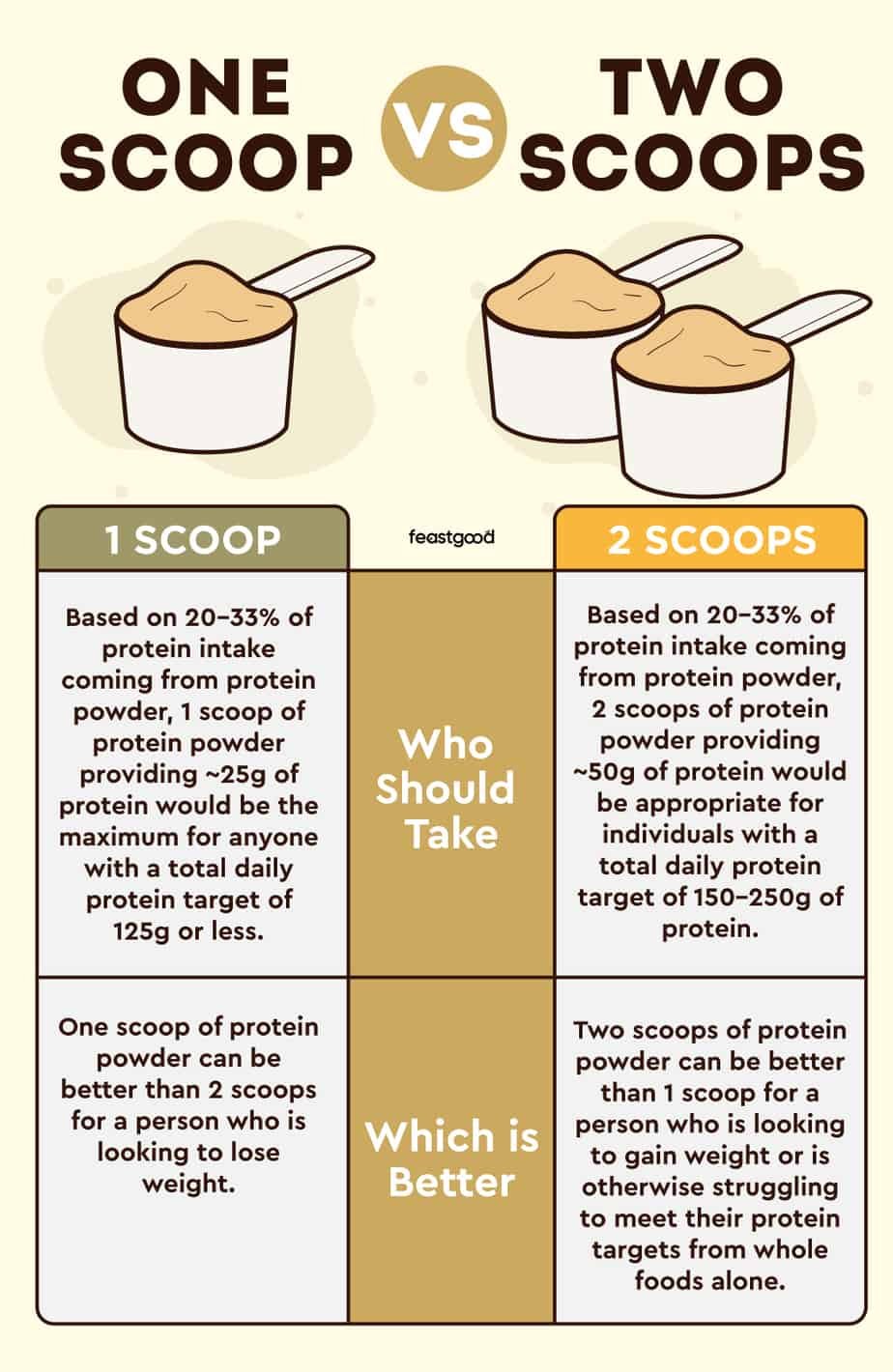
The key is to look at your total daily protein intake rather than count scoops alone. For example, two scoops that provide 25 grams of protein each add 50 grams to your daily total. That amount may help an active adult reach a training goal, but it may be unnecessary for someone who already eats enough protein from chicken, eggs, fish, dairy, beans, and other foods.
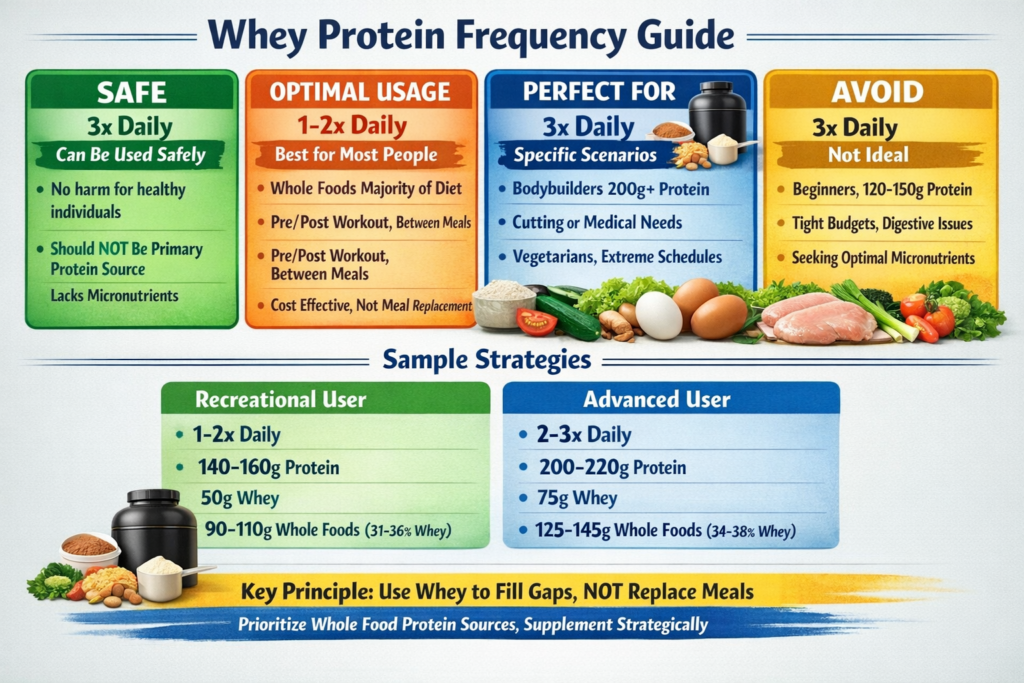
Protein powder is a supplement, not a replacement for a balanced diet. Your body needs protein for muscle repair, tissue growth, enzymes, and many other functions. The best approach is to use powder to fill a real nutrition gap while keeping whole foods at the center of your meals.
Source: cdn.shopify.com
Can I Have Two Scoops of Protein Powder a Day?
Yes. Two scoops of protein powder per day are generally fine for most healthy adults. There is no universal rule that limits everyone to one scoop. Your personal protein needs and the amount you already eat matter much more than the number of servings in your shaker bottle.
A typical scoop contains around 20 to 25 grams of protein, although some products contain less or more. Two standard scoops may therefore provide 40 to 50 grams. Read the nutrition label because one manufacturer’s serving size may differ from another’s.
The National Institutes of Health recognizes protein supplements as one way athletes can meet their nutritional needs. However, food sources should remain an important part of the diet. A shake can help fill a gap, but it does not provide the same range of nutrients as a varied meal.
For example, a person who gets 90 grams of protein from meals and needs 120 grams could use two scoops containing 15 grams each to reach that target. Someone who already gets 140 grams from food may not need another 50 grams from powder.
Source: feastgood.com
Healthy adults
Two scoops can fit into a balanced diet when they help meet an appropriate daily protein target.
Strength-training adults
Additional protein may help support muscle repair and growth when combined with suitable resistance exercise.
People with medical conditions
The right amount may be different, particularly for people with kidney disease or conditions that require a medically managed diet.
People who already eat plenty of protein
An extra two scoops may add calories without providing a meaningful benefit.
Is Two Scoops the Same as Two Servings?
Not always. A scoop is a measuring tool, while a serving is the amount listed on the product’s nutrition label. Some brands define one serving as one scoop, while others use two scoops.
Check the serving size, grams of powder, and grams of actual protein. For example, two scoops of a powder containing 24 grams of protein per scoop provide 48 grams of protein. Two scoops of a different product may provide only 36 grams.
Check the serving size
Look at how many scoops make one serving.
Check protein per serving
Use the protein amount, not the total powder weight, when calculating your intake.
How Much Protein Do You Need Each Day?
Your daily protein requirement depends on your weight, age, health, and physical activity. Two scoops may be useful for someone who trains hard, but another person may meet their needs with regular meals.
For most healthy adults, the Recommended Dietary Allowance is 0.8 grams of protein per kilogram of body weight per day. This is a general reference for meeting basic nutritional needs, not a special muscle-building target.
People who exercise regularly may need more. The International Society of Sports Nutrition reports that approximately 1.4 to 2.0 grams per kilogram per day can support muscle growth and maintenance in many exercising individuals.
These figures are daily totals from all sources. They include protein from breakfast, lunch, dinner, snacks, drinks, and supplements. You should not calculate your target from protein powder alone.
Source: torokhtiy.com
General adult reference
Approximately 0.8 grams per kilogram of body weight each day.
Regularly active adults
Approximately 1.2 to 2.0 grams per kilogram may be appropriate, depending on exercise demands and individual needs.
Muscle-building goals
A daily intake around 1.4 to 2.0 grams per kilogram is commonly used for healthy adults who perform resistance training.
Daily Protein Examples by Body Weight
The following table shows estimated daily protein amounts using the general adult reference and a training range of 1.4 to 2.0 grams per kilogram. These are examples, not individual prescriptions.
120 pounds
About 44 grams at the general reference level and approximately 76 to 109 grams for the training range.
150 pounds
About 54 grams at the general reference level and approximately 95 to 136 grams for the training range.
180 pounds
About 65 grams at the general reference level and approximately 114 to 163 grams for the training range.
200 pounds
About 73 grams at the general reference level and approximately 127 to 181 grams for the training range.
How to Calculate Your Protein Target
First, convert your weight in pounds to kilograms by dividing it by 2.2. Next, multiply your weight in kilograms by the daily protein amount that fits your activity level.
For example, imagine you weigh 150 pounds. That is about 68 kilograms. If you follow a regular strength-training routine and use a target of 1.6 grams per kilogram, your estimated daily goal is about 109 grams of protein.
If your meals already provide 65 grams, you need approximately 44 additional grams to reach that example target. Two scoops containing 22 grams each could fill that gap.
Step 1
Convert your weight from pounds to kilograms by dividing by 2.2.
Step 2
Choose a suitable daily protein target based on your activity and health.
Step 3
Subtract the protein you get from food from your daily target.
Step 4
Use protein powder only to fill the remaining amount.
Should You Take Two Scoops at Once or Split Them?
You can take two scoops together or divide them into two separate shakes. Both approaches can work. The better choice depends on your meal schedule, digestion, daily protein needs, and workout routine.
Taking two scoops in one shake can be convenient when you have a busy morning or need a quick meal supplement. However, a large shake may feel heavy, especially if you drink it quickly or mix it with milk and other ingredients.
Splitting the scoops can help you spread protein across the day. For example, you might take one scoop after a morning workout and another in the afternoon when your meal contains little protein.
Protein timing is less important than meeting your overall daily needs. Still, spreading protein across several meals can support repeated opportunities for muscle protein synthesis, the process through which your body builds and repairs muscle tissue.
Source: gymersion.com
Two scoops together
A convenient option when one meal or shake needs a larger protein boost and your stomach tolerates it.
One scoop twice a day
A useful option for spreading protein intake and supporting meals that contain less protein.
One scoop with food
Mixing powder into oatmeal, yogurt, or a smoothie can increase the protein content of a meal.
Example of a Two-Scoop Daily Schedule
Consider an adult who exercises in the morning and needs to add around 44 grams of protein to a normal eating plan. If each scoop provides 22 grams, the following schedule could help.
Morning
One scoop after exercise, mixed with water or milk.
Afternoon
One scoop blended into a smoothie or mixed with yogurt.
Other meals
Get the remaining protein from foods such as eggs, chicken, fish, beans, tofu, and dairy products.
Is Two Scoops Too Much in One Shake?
Not necessarily. Your digestive system can digest and absorb more than 20 or 30 grams of protein in one sitting. There is no universal absorption limit that makes all protein above a certain amount go to waste.
However, the muscle-building response to a single meal may reach a point where adding more protein produces a smaller extra benefit. Many nutrition discussions use approximately 20 to 40 grams of high-quality protein per meal as a practical range, although body size, age, exercise, and meal composition can change the amount.
A double serving may still contribute to your daily protein needs. The main question is whether taking that much at once is comfortable and useful for your overall eating plan.
For digestion
Split the serving if a large shake causes bloating, nausea, or stomach discomfort.
For muscle support
Consider spreading protein across meals instead of relying on one very large shake.
Can Two Scoops of Protein Powder Help Build Muscle?
Yes, two scoops can help support muscle growth if they help you meet your daily protein needs. However, the powder itself does not build muscle without the right training, enough food, and proper recovery.
Resistance exercise creates a signal for your body to repair and adapt muscle tissue. Protein supplies amino acids, which are the building blocks used in that process. When your diet provides enough protein and you follow a suitable strength-training plan, your body has the materials it needs to support muscle development.
The important distinction is between meeting a protein need and exceeding it. If one scoop is enough to close your daily protein gap, a second scoop may not provide a meaningful extra benefit for muscle growth.
Your overall routine also matters. Progressive resistance training, sufficient calories, sleep, and regular meals all play a role. Adding another shake cannot make up for a training plan that lacks consistency.
Source: mybodyweightexercises.com
Muscle repair
Protein supplies amino acids that help repair and maintain muscle tissue after exercise.
Muscle growth
Adequate protein supports muscle development when combined with resistance training.
Recovery
Meeting daily protein needs can help support the repair process between training sessions.
Training consistency
Regular exercise and enough recovery time remain essential for lasting progress.
Does More Protein Mean Bigger Muscles?
No. More protein does not always lead to more muscle. Once you meet your body’s needs, additional protein may be used for other normal functions or as an energy source rather than producing more muscle tissue.
Think of protein as building material. Supplying enough bricks helps complete a house, but adding extra bricks after the walls are finished does not automatically make the house better. The same basic idea applies to protein intake.
For this reason, two scoops should solve a real dietary need. They should not simply be added because you believe more powder will produce faster results.
Enough protein
Supports normal tissue maintenance and muscle repair.
Excess protein
May add calories without improving muscle growth once your needs are met.
Are There Side Effects of Taking Two Scoops Daily?
Most healthy adults tolerate two scoops of protein powder well when the amount fits their diet. Still, side effects can occur. They may come from the protein source, added ingredients, serving size, or the way the powder affects your overall diet.
Some people experience bloating, gas, nausea, or loose stools after drinking protein shakes. These problems may be more common with certain dairy-based powders, especially when someone has difficulty digesting lactose.
Taking a large shake too quickly can also cause stomach discomfort. Adding a large amount of milk, sweeteners, or other ingredients may make the drink harder to tolerate.
Another concern is replacing too many regular meals with shakes. Whole foods provide fiber, vitamins, minerals, and other nutrients that many protein powders do not provide in the same amounts.
Bloating and gas
Some powders contain lactose, sugar alcohols, or other ingredients that may cause digestive discomfort.
Nausea
A large serving or drinking a shake too quickly may upset your stomach.
Extra calories
Two scoops may add more calories than you need, especially when mixed with milk, nut butter, or other ingredients.
Reduced food variety
Relying heavily on shakes may leave less room for fiber-rich foods, fruits, vegetables, and other important nutrients.
Can Protein Powder Affect Your Kidneys?
Healthy kidneys help remove waste products created when your body processes protein. Research summarized by the NIH indicates that higher protein intakes have not consistently shown kidney damage in healthy adults over the periods studied.
However, this does not mean every high-protein diet is suitable for every person. People with chronic kidney disease or reduced kidney function may need to manage protein intake under medical guidance.
If you have kidney disease, a history of kidney problems, or have been told to follow a specific protein limit, do not add two scoops without speaking with your healthcare professional. Your needs may differ from those of a healthy adult who exercises regularly.
Healthy kidney function
Two scoops may fit a suitable overall protein intake for many healthy adults.
Chronic kidney disease
Protein requirements can vary by disease stage, treatment, and nutritional status.
Medical advice
A doctor or registered dietitian can help determine an appropriate daily amount.
Who Should Be Careful With Two Scoops?
Some people need more careful nutrition planning before using protein supplements. This includes people with kidney or liver disease, people who are pregnant or breastfeeding, and anyone who follows a medically prescribed diet.
Children and teenagers also have different nutrition needs from adults. They should not automatically follow adult supplement routines or bodybuilding advice.
People with milk allergies should avoid whey and casein products unless a qualified healthcare professional confirms that a specific product is appropriate. People with lactose intolerance may find that a lactose-free or suitable plant-based powder is easier to tolerate.
Kidney or liver conditions
Ask a healthcare professional before increasing supplemental protein.
Pregnancy and breastfeeding
Review the product’s ingredients and your total nutrition needs with a healthcare professional.
Milk allergy
Avoid milk-derived protein products that contain the allergen.
Teenagers
Focus on age-appropriate nutrition and professional guidance rather than copying adult supplement plans.
What Is the Best Time to Take Two Scoops of Protein Powder?
There is no single best time to take two scoops. You can use them in the morning, after exercise, between meals, or at another time that helps you meet your daily protein needs.
For people who lift weights, having protein around a workout can be convenient. However, you do not need to rush to drink a shake immediately after your final set. Your muscles remain responsive to protein and exercise for many hours after training.
A regular pattern of protein intake throughout the day is often more practical than focusing on one exact minute. Choose times that fit your schedule and allow you to eat balanced meals.
If two scoops are part of your routine, consider using them when your meals are naturally low in protein. This makes the supplement more useful and reduces the chance of adding protein that you do not need.
Morning
Add one scoop to breakfast if eggs, yogurt, or other foods do not provide enough protein.
After exercise
Use a shake as a convenient way to replace protein when a full meal is not available.
Between meals
Have a shake as a snack when there is a long gap between protein-rich meals.
Evening
Use a serving if it helps complete your daily target and does not interfere with your comfort or sleep.
Should You Take Protein Powder on Rest Days?
Yes, you can take protein powder on rest days if you still need it to meet your daily protein target. Your muscles continue to recover between workouts, even when you are not lifting weights.
However, you do not have to take two scoops every day just because you used that amount on training days. If your meals provide enough protein, you can use less powder or skip it altogether.
Your protein needs are based on your overall nutrition and activity, not just whether you exercised that morning.
Training days
Use powder when it helps meet the protein needs of your workout routine.
Rest days
Continue meeting your daily protein needs through food and supplements as needed.
How to Choose a Protein Powder for Daily Use
Choose a protein powder based on its protein content, ingredients, dietary needs, and quality controls. A higher price or a large number of ingredients does not automatically make a product better.
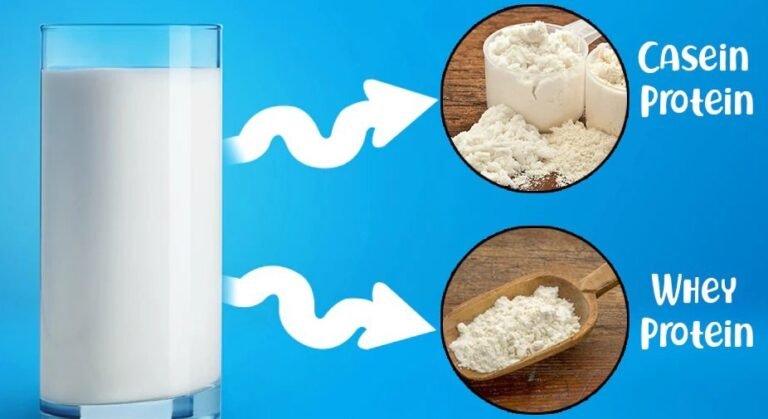
Whey protein is a common choice because it contains all nine essential amino acids. Casein is another milk-based option. Plant-based powders may use pea, soy, rice, or a blend of different plant proteins.
Check the nutrition facts panel before buying. Look at protein per serving, calories, added sugars, saturated fat, allergens, and the recommended serving size. These details help you decide whether two scoops fit your daily eating plan.
For people in the United States, independent quality testing can also be useful. Programs such as NSF Certified for Sport and Informed Choice offer testing programs for certain products. Certification can help assess product quality and prohibited-substance concerns, but it does not guarantee that a supplement is suitable for every individual.
Whey concentrate
Contains whey protein along with varying amounts of lactose, fat, and carbohydrates.
Whey isolate
Usually contains a higher proportion of protein and less lactose than whey concentrate, although the exact formula varies.
Casein
A milk protein that digests more slowly than whey.
Plant-based protein
Can suit people avoiding dairy. Pea, soy, and complementary plant blends are common options.
What to Check Before Taking Two Scoops
Read the entire product label rather than focusing only on the front of the package. Some powders contain caffeine, added herbs, digestive enzymes, or other ingredients that may matter when used daily.
If you use other supplements, check whether the products contain overlapping ingredients. A protein blend may include added vitamins, minerals, or performance ingredients that contribute to your total intake.
Store the powder according to the manufacturer’s instructions. Keep the container sealed, dry, and away from excessive heat. Do not use a product with a damaged seal, unusual smell, or signs of moisture contamination.
Protein amount
Confirm how many grams of protein each scoop provides.
Added sugar
Check whether the powder contains sweeteners or added carbohydrates that affect your dietary goals.
Allergens
Review milk, soy, and other allergen information.
Quality testing
Look for credible independent testing when supplement purity and sports eligibility matter.
Common Mistakes When Taking Two Scoops Daily
Taking two scoops is not complicated, but a few common mistakes can make the habit less useful. Most problems happen when people focus on the supplement instead of their full diet and daily needs.
The first mistake is assuming that every scoop contains the same amount of protein. Another is forgetting to count protein from regular meals. Both can lead to inaccurate calculations.
Some people also use protein shakes instead of balanced meals. This may make it harder to get enough fiber, vitamins, minerals, and healthy fats. A supplement should support your diet, not take over your plate.
Ignoring the label
Measure according to the stated serving size instead of assuming every scoop contains 25 grams.
Ignoring food protein
Count protein from meat, fish, eggs, dairy, beans, and other foods before adding powder.
Expecting instant muscle growth
Remember that muscle development depends on training, recovery, calories, and consistent nutrition.
Using shakes instead of meals
Keep whole foods in your diet to support overall nutritional balance.
Increasing the dose too quickly
Start with an amount that fits your needs and monitor digestive comfort.
Forgetting other supplements
Review combined ingredients if you use protein powder alongside pre-workout drinks or other products.
What If Two Scoops Cause Stomach Problems?
If you experience bloating, gas, or diarrhea after taking two scoops, reduce the serving and see whether the symptoms improve. You can also try dividing the amount between two separate times.
Check whether the product contains lactose, sugar alcohols, or other ingredients that may affect digestion. If you have lactose intolerance, a suitable lactose-free or plant-based product may be easier to tolerate.
Stop using the product if you develop signs of an allergic reaction. Trouble breathing, swelling of the tongue or throat, or severe dizziness requires emergency medical attention.
Reduce the serving
Try a smaller amount instead of continuing with a serving that causes discomfort.
Check the ingredients
Look for lactose, sweeteners, and other ingredients that may trigger symptoms.
Seek medical advice
Talk with a healthcare professional if symptoms continue or become severe.
Frequently Asked Questions
Q
Can I take two scoops of protein powder every day?
Yes, most healthy adults can take two scoops every day if the added protein fits their daily needs. Two scoops commonly provide around 40 to 50 grams of protein, although the amount depends on the product.
Count protein from all meals and snacks before deciding whether you need both scoops. If you have kidney disease or another condition that affects protein requirements, ask your healthcare professional first.
Q
Is 50 grams of protein powder a day too much?
Not automatically. For many healthy adults, 50 grams of supplemental protein can fit into a suitable daily diet. The important question is how much protein you get from all sources combined.
If your food already provides enough protein, another 50 grams may be unnecessary. It can also add calories that you did not plan to consume.
Q
Can I take two scoops of whey protein after a workout?
Yes, you can take two scoops after a workout if the serving fits your daily protein target and you tolerate it well. A double serving may be convenient when you have not eaten for several hours.
However, you do not have to consume two scoops immediately after exercise. A balanced meal containing protein can also support recovery.
Q
Will two scoops of protein powder make me gain weight?
Two scoops can contribute to weight gain if they increase your total calorie intake above the amount your body uses. Protein contains approximately four calories per gram, so 50 grams of protein provide about 200 calories before accounting for other ingredients.
If you use protein powder to replace another source of calories rather than add extra calories, it does not automatically cause weight gain. Your overall energy balance matters.
Q
Should I take one scoop in the morning and one at night?
You can divide two scoops between morning and evening if that schedule fits your meals and protein needs. Spreading protein across the day can be a practical way to support regular intake.
There is no requirement to take one scoop at night. Choose a schedule that supports your nutrition goals and does not cause stomach discomfort.
Q
Can I take two scoops of protein powder without working out?
Yes, protein is necessary even when you do not exercise. Your body uses it to maintain tissues and support normal functions.
However, people who do not exercise regularly may have different protein needs from those who train intensely. Two scoops are only useful if they help meet an appropriate daily target.
Q
Can I mix two scoops of protein powder with milk?
Yes. You can mix two scoops with milk if you tolerate dairy and the extra calories fit your eating plan. Milk also adds protein, so remember to include it in your daily total.
Water is another option if you want a lighter drink or prefer to avoid additional calories. Plant-based milk can also work, although its protein content varies by type and brand.
Q
Do I need two scoops of protein powder to build muscle?
No. You do not need two scoops to build muscle. You need enough total protein, a suitable resistance-training plan, sufficient calories, and adequate recovery.
Some people can meet their protein needs through regular meals. Others may benefit from one or two scoops when their food intake falls short.
✦ Wrapping Up
Conclusion
You can have two scoops of protein powder a day if you are a healthy adult and the amount fits your total protein requirements. For many people, two scoops provide a convenient 40 to 50 grams of additional protein. However, your actual intake depends on the serving size and formula.
The best approach is to calculate your daily protein needs, count what you already get from food, and use powder to fill the remaining gap. You can take both scoops together or split them between meals. Choose the schedule that supports your routine and digestion.
Remember that protein powder is only one part of good nutrition. Regular meals, resistance training, enough sleep, and a balanced diet matter just as much. If you have a medical condition that affects protein intake, get professional advice before increasing your serving size.
💡 Key Takeaway
Before taking two scoops daily, check your product label, calculate your daily protein target, and count the protein in your regular meals. Use the second scoop only when you need it. If you have kidney disease or another condition that affects protein needs, consult a healthcare professional before making changes.
Compare nutrition shake powder vs ready to drink options for cost, taste, ease, nutrition, storage, and daily use. Find the better fit for your routine.