Yes, many protein powders contain dairy, especially whey and casein products. However, plant-based, egg-based, and some other protein powders are dairy-free.
If you shop for protein powder at Walmart, Costco, Target, or a local grocery store in the United States, you will find many types. Some use milk proteins, while others come from peas, soybeans, rice, or eggs. The name on the front of the tub does not always tell you the full story.
The most common dairy-based protein powders are whey protein and casein protein. Both come from milk. They provide useful amounts of protein, but they are not suitable for someone with a milk allergy. People with lactose intolerance may have different levels of tolerance, depending on the product and its lactose content.
The good news is that you do not need dairy to use protein powder. Several plant-based options can help you add protein to smoothies, oatmeal, and other foods. The key is to understand the protein source, check the full ingredient list, and choose a product that fits your dietary needs.
Source: piedmontmilksales.com
Why Does Protein Powder Have Dairy?
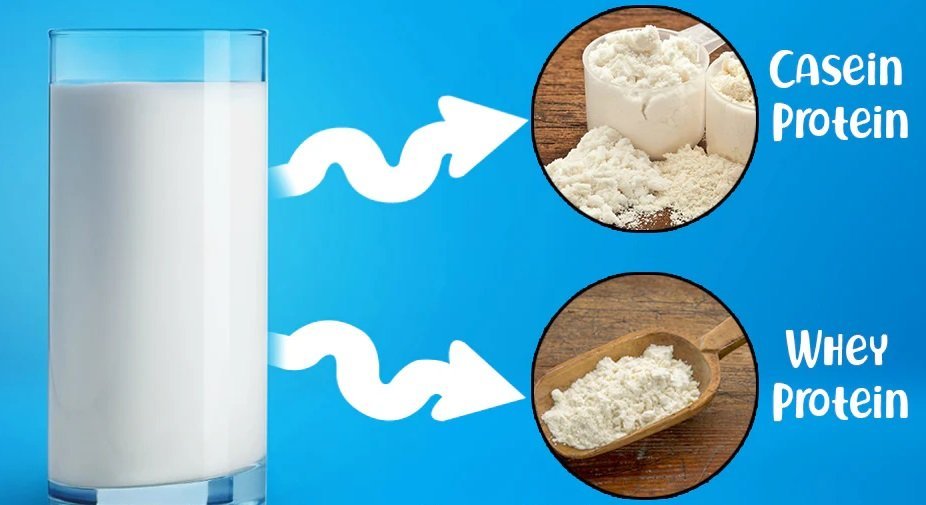
Protein powder can contain dairy because manufacturers often use milk as the starting material. Milk naturally contains two major protein groups: whey and casein. Manufacturers separate these proteins and process them into powders that can be mixed with water, milk, or other drinks.
Milk is a useful protein source because it contains all nine essential amino acids. These are amino acids that the body cannot make in sufficient amounts and must get from food. This makes milk proteins popular in sports nutrition and general protein supplements.
Dairy also gives protein drinks a creamy texture. It can help create a smooth shake and a familiar taste. However, not every protein powder uses milk, and some products use a blend of different protein sources.
Source: images.squarespace-cdn.com
Whey protein
Whey comes from the liquid part of milk during cheese production. It is processed and dried into a protein powder.
Casein protein
Casein is the main protein group in milk solids. It is separated from milk and processed into a powder.
Milk protein concentrate
This ingredient contains concentrated milk proteins, including both whey and casein in varying proportions.
Milk protein isolate
This is a more concentrated milk protein ingredient. It still comes from milk and is not dairy-free.
Is All Protein Powder Made From Milk?
No. Protein powder can come from animal or plant sources. Milk is common, but it is only one option. Soybeans, peas, rice, eggs, and other foods can also provide the raw material for protein supplements.
For example, a pea protein powder uses protein extracted from peas. It does not need milk during its basic production process. However, added flavors, creamers, or manufacturing cross-contact may affect whether a finished product is suitable for someone avoiding dairy.
Dairy-based
Whey, casein, and milk protein powders contain milk-derived proteins.
Plant-based
Pea, soy, and rice protein powders can be made without dairy ingredients.
Other animal sources
Egg white protein is an animal-based option that does not naturally come from milk.
Which Types of Protein Powder Contain Dairy?
Whey, casein, and milk protein powders contain dairy. These products are made from milk proteins, even when manufacturers use different processing methods. Knowing their names can help you avoid buying the wrong product.
Some packages use terms such as isolate, concentrate, or hydrolyzed. These words describe how the protein is processed or concentrated. They do not mean that the ingredient comes from a non-dairy source.
The following comparison explains the most common dairy-based protein types and what their names mean.
Source: i.pinimg.com
Whey protein concentrate
This ingredient comes from milk whey. It usually retains more lactose and milk components than whey isolate, although the exact amount varies.
Whey protein isolate
This form undergoes additional processing to remove much of the fat and lactose. It remains a milk protein and is not safe for people with a milk allergy.
Hydrolyzed whey
This is whey protein that has been broken into smaller protein fragments through processing. It is still milk-derived.
Casein
Casein is a milk protein that is often used in slower-digesting protein products. It is a dairy ingredient.
Milk protein concentrate
This ingredient contains concentrated milk proteins. It may include both casein and whey.
Does Whey Protein Have Dairy?
Yes. Whey protein is a dairy product because it comes from milk. During cheese production, milk separates into solid curds and liquid whey. The liquid portion contains whey proteins, which manufacturers can filter, concentrate, and dry.
Whey protein is popular because it provides all nine essential amino acids. It is also easy to mix into many drinks and recipes. However, people who need to avoid milk proteins should not assume that whey isolate or hydrolyzed whey is safe.
Whey concentrate may contain more lactose than whey isolate. Some people with lactose intolerance find isolate easier to tolerate, but this depends on the product and the person. Neither form is appropriate for someone with a milk allergy.
Whey concentrate
Usually contains more lactose than whey isolate.
Whey isolate
Usually contains less lactose, but still contains milk protein.
Hydrolyzed whey
Contains processed milk protein and is not automatically lactose-free or allergy-safe.
Does Casein Protein Have Dairy?
Yes. Casein comes directly from milk, so casein protein powder is a dairy-based supplement. It is often sold as micellar casein or casein protein concentrate.
Casein behaves differently from whey during digestion. It tends to form a thicker mixture in the stomach and is generally digested more slowly. This is one reason some people use it as an evening protein drink.
However, slower digestion does not make casein dairy-free. Anyone with a milk allergy should avoid casein, including casein hydrolysate and sodium caseinate.
Micellar casein
A milk-derived form of casein that retains its natural micelle structure.
Calcium caseinate
A processed casein ingredient that still comes from milk.
Sodium caseinate
Another milk-derived casein ingredient that should be avoided with a milk allergy.
Which Protein Powders Are Dairy-Free?
Several protein powders are naturally dairy-free because they use plants or eggs instead of milk. These options can help people who follow a vegan diet, avoid dairy for personal reasons, or need to manage a milk allergy.
Plant-based protein powders come from sources such as peas, soybeans, brown rice, and hemp seeds. Manufacturers may use one source or combine several to create a protein blend.
A dairy-free label is useful, but you should still read the ingredients. Some products contain added milk ingredients, while others may be made in facilities that also process milk.
Source: cdn.shopify.com
Pea protein
Made from yellow peas. It is a popular dairy-free option and is often used in vegan protein blends.
Soy protein
Made from soybeans. Soy protein isolate provides all nine essential amino acids and does not naturally contain dairy.
Brown rice protein
Made from rice. It is a plant-based option that is often combined with pea protein.
Hemp protein
Made from hemp seeds. It provides plant protein along with some fiber and other nutrients.
Egg white protein
Made from egg whites rather than milk. It is dairy-free but is not suitable for people with an egg allergy.
Is Pea Protein Dairy-Free?
Yes. Pure pea protein is made from peas, not milk. Manufacturers extract protein from yellow peas and process it into a powder.
Pea protein is a useful option for people who want to avoid dairy. It is also common in vegan supplements. Some brands combine it with rice protein to provide a broader balance of essential amino acids.
Check the full label before buying. A flavored pea protein product may include ingredients such as milk powder or dairy-based creamers, even though its main protein source is plant-based.
Best label terms
Look for pea protein isolate, pea protein concentrate, or a clearly identified plant protein blend.
What to check
Review flavoring ingredients, allergen statements, and possible milk cross-contact information.
Is Soy Protein Dairy-Free?
Yes. Soy protein comes from soybeans and does not naturally contain milk. It is a complete plant protein, meaning it provides all nine essential amino acids.
Soy protein isolate is commonly used in protein powders, nutrition drinks, and other food products. It can be a practical choice for people who want a plant-based source of protein.
However, soy is a major food allergen in the United States. People with a soy allergy need to choose another protein source. A soy-based powder may also contain dairy if the manufacturer adds milk-derived ingredients.
Main benefit
Soy protein provides a complete essential amino acid profile without naturally requiring dairy.
Main limitation
It is unsuitable for people with a soy allergy, and finished products still require label checks.
Is Egg White Protein Dairy-Free?
Yes. Egg white protein is made from egg whites, so it is not a milk product. It can provide a complete protein source for people who avoid dairy but still eat animal-based foods.
Egg white powder is different from whey and casein. It does not come from milk and does not naturally contain lactose. However, it is not vegan and is unsuitable for people with an egg allergy.
As with other supplements, check the full ingredient list for added milk ingredients and manufacturing warnings.
Suitable for
People who avoid dairy but can safely consume eggs.
Not suitable for
People with egg allergies or those following a vegan diet.
Dairy-Free vs. Lactose-Free Protein Powder
Dairy-free and lactose-free are not the same thing. This is one of the most important differences to understand before buying protein powder.
Lactose is a natural sugar found in milk. Some people cannot digest it well because their bodies make too little lactase, the enzyme needed to break lactose down. This condition is called lactose intolerance.
Milk also contains proteins, mainly whey and casein. A person with a milk allergy reacts to milk proteins rather than simply having trouble digesting lactose. Removing lactose does not remove all milk proteins.
This means a lactose-free whey protein may still contain dairy. It may work for some people with lactose intolerance, but it is not a safe substitute for dairy-free protein for someone with a milk allergy.
Source: thelivefitgirls.com
Dairy-free
Made without milk or milk-derived ingredients. Check the label and cross-contact information when allergy safety matters.
Lactose-free
Contains no lactose or only an amount that meets the applicable product claim. It may still contain milk proteins.
Low-lactose
Contains a reduced amount of lactose, but it is not necessarily suitable for everyone with lactose intolerance.
Milk-protein-free
Does not contain milk proteins such as whey and casein. Verify the full ingredient and allergen information.
Can People With Lactose Intolerance Use Whey Protein?
Some people with lactose intolerance can tolerate whey protein isolate better than whey concentrate. This is because additional filtration generally removes more lactose from whey isolate.
However, the amount of lactose can differ between products. A person may tolerate one powder but experience bloating, gas, cramps, or diarrhea after using another.
If you have lactose intolerance, review the nutrition facts and product information. Look for a clearly stated lactose amount when available. If symptoms continue, consider a dairy-free protein source and speak with a healthcare professional.
Whey concentrate
Often contains more lactose and may cause symptoms in sensitive people.
Whey isolate
Usually contains less lactose, but the amount is product-specific.
Plant protein
Naturally avoids milk lactose when the finished product contains no dairy ingredients.
Can People With a Milk Allergy Use Whey Isolate?
No. People with a milk allergy should avoid whey isolate unless their treating allergy specialist gives specific medical advice otherwise. Whey isolate remains a milk-derived protein even after additional processing.
Casein is also a milk allergen. Products labeled lactose-free, low-lactose, or hydrolyzed whey should not be treated as milk-allergy-safe.
For a milk allergy, choose a product that does not contain milk proteins and check its manufacturing and cross-contact information. If the allergy is severe, ask the manufacturer about shared equipment and production controls.
Avoid
Whey, casein, milk protein concentrate, milk protein isolate, and other milk-derived proteins.
Consider
Clearly labeled dairy-free pea, rice, or other suitable plant-based protein products.
How to Read Protein Powder Labels for Dairy
The safest way to identify dairy in protein powder is to check the complete ingredient list and allergen declaration. Do not rely only on the product name or the words printed on the front of the container.
In the United States, milk is one of the nine major food allergens covered by federal food allergen labeling rules. Most packaged foods and dietary supplements that contain milk as an ingredient must identify the milk source in the ingredient list or through an appropriate Contains statement.
For example, a label may list whey protein isolate (milk) or include a separate statement that says Contains: Milk. Both are important signs that the product contains a milk ingredient.
Some ingredients have unfamiliar names. Learning the common terms can make grocery shopping much easier, especially when you need to avoid dairy every day.
Source: kaynutrition.com
Whey
A milk-derived protein. Avoid it if you need a dairy-free or milk-protein-free product.
Casein
A major milk protein that may appear as casein, caseinate, or hydrolyzed casein.
Lactalbumin
A protein found in milk whey and a potential milk allergen.
Lactoglobulin
A milk-derived protein that may appear in certain protein ingredients.
Milk solids
Dried components of milk that can contain milk proteins and lactose.
Milk protein concentrate
A concentrated milk ingredient that contains dairy proteins.
Sodium caseinate
A milk-derived casein ingredient often used for texture and stability.
A Simple Label-Checking Process
Use the same label-checking process every time you buy protein powder. Even familiar brands can change ingredients, flavors, or manufacturing methods.
Start with the protein source. Then check the rest of the ingredients, allergen statement, and any voluntary warning about shared equipment or facilities.
Step 1: Check the protein source
Look for whey, casein, milk protein, pea, soy, rice, egg, or another clearly named source.
Step 2: Read every ingredient
Look for milk, whey, casein, milk powder, lactose, and other dairy-derived ingredients.
Step 3: Read the Contains statement
Check whether the package identifies milk as a major food allergen.
Step 4: Check advisory warnings
Look for statements such as May contain milk or Produced in a facility that also processes milk.
Step 5: Contact the manufacturer
Ask about unclear ingredients, shared equipment, and production controls if you need strict dairy avoidance.
Does a May Contain Milk Warning Mean the Product Has Dairy?
Not necessarily. A May contain milk warning usually indicates a possible risk of accidental cross-contact during manufacturing. It does not mean milk is intentionally included as an ingredient.
In the United States, precautionary allergen statements are generally voluntary. Manufacturers do not all use the same wording, and the absence of a warning does not prove that cross-contact is impossible.
People with a milk allergy should follow their allergist’s advice about these warnings. If the risk is unclear, contact the manufacturer before using the product.
Contains milk
Indicates milk is an ingredient or allergen in the product.
May contain milk
Warns of possible accidental milk cross-contact.
Made in a facility that processes milk
Indicates that milk is handled at the manufacturing site, but does not by itself establish whether cross-contact occurs.
How to Choose the Right Dairy-Free Protein Powder
Choosing a dairy-free protein powder starts with your reason for avoiding milk. Someone with lactose intolerance may have different needs from someone with a diagnosed milk allergy or someone following a vegan diet.
A good product should match your dietary restrictions, protein needs, taste preferences, and budget. It should also provide clear ingredient information.
You do not need the most expensive powder or the product with the longest ingredient list. Focus on the protein source, the amount of protein per serving, and any ingredients you need to avoid.
Source: images.squarespace-cdn.com
For people avoiding all dairy
Consider pea, soy, rice, or another clearly labeled plant-based protein without milk ingredients.
For people with lactose intolerance
A lower-lactose whey isolate may be tolerated by some people, but a dairy-free powder avoids lactose altogether.
For vegans
Choose a plant-based protein product with no milk, eggs, or other animal-derived ingredients.
For people with milk allergies
Avoid milk proteins and check the allergen and cross-contact information carefully.
Compare Protein Per Serving
Check how much protein each serving provides. A larger scoop does not always mean a product contains more protein. Compare the grams of protein with the total serving weight.
For example, a hypothetical 35-gram serving with 25 grams of protein contains less protein by weight than a 30-gram serving with 24 grams of protein. Both may be useful, but the serving sizes and other ingredients differ.
Also consider how you plan to use the powder. A smoothie ingredient may need a different flavor and texture from a powder you mix with plain water.
Protein amount
Compare the grams of protein per serving rather than the number of scoops.
Added sugar
Check the total and added sugar amounts, especially in flavored powders.
Serving size
Check whether the stated serving uses one scoop or more than one.
Extra ingredients
Review sweeteners, flavors, gums, vitamins, and other added ingredients.
Check for Other Food Allergens
Dairy-free does not mean allergen-free. A plant-based powder may contain soy, peanuts, tree nuts, or other ingredients that can trigger an allergic reaction.
For example, a soy protein powder may be dairy-free but is unsuitable for someone with a soy allergy. A nut-based protein blend may also be inappropriate for someone who must avoid certain tree nuts.
Read the full label and consider your other dietary restrictions before purchasing. If you have several food allergies, a registered dietitian or allergist can help you assess suitable options.
Soy
Common in plant-based powders and a major food allergen.
Peanuts and tree nuts
May appear in flavored products or specialty protein blends.
Egg
Present in egg white protein powders and some blended supplements.
Wheat and sesame
May be present in some added ingredients or manufacturing environments.
Does Dairy-Free Protein Powder Provide Enough Protein?
Yes. Dairy-free protein powders can provide useful amounts of protein. The amount depends on the source, processing method, serving size, and product formulation.
Soy protein is a complete protein because it provides all nine essential amino acids. Pea protein also provides many essential amino acids, but its amino acid profile differs from dairy proteins. Rice protein has a different profile as well.
Some manufacturers combine plant proteins to provide a broader range of essential amino acids. For example, pea and rice protein blends are common because their amino acid profiles can complement one another.
You should not judge a protein powder only by whether it contains dairy. Look at the full nutrition facts and consider the rest of your daily diet.
Source: dairyheaven.com
Soy protein
Provides all nine essential amino acids and can serve as a complete plant-based protein.
Pea protein
Provides substantial plant protein and is often combined with other sources.
Rice protein
Provides plant protein but has a different essential amino acid profile from soy and dairy proteins.
Plant protein blends
Can combine different sources to create a broader amino acid profile.
Can Dairy-Free Protein Support Muscle Growth?
Yes. A dairy-free protein powder can support muscle growth when it helps you meet your overall protein needs and is combined with suitable resistance training.
Muscle growth does not depend on consuming whey or casein specifically. Your body needs enough total protein and essential amino acids, along with appropriate training and recovery.
The best source depends on your dietary needs and how well you tolerate it. A well-formulated plant protein can be a useful part of a balanced diet.
Meet your daily needs
Consider protein from meals and snacks as well as supplements.
Use a suitable source
Choose a protein powder that fits your allergy status and dietary preferences.
Support recovery
Combine adequate nutrition with consistent resistance training and rest.
Is Collagen Protein Dairy-Free?
Collagen protein is generally dairy-free because it is usually made from animal connective tissue rather than milk. Common sources include bovine and marine collagen.
However, collagen is not a complete protein. It lacks tryptophan and does not provide all essential amino acids in the way complete protein sources do.
A collagen product may also contain added flavors or other ingredients. Check the label if you need to avoid dairy or other allergens. Collagen should not automatically replace a complete protein source when your main goal is to meet essential amino acid needs.
Dairy status
Pure collagen is not made from milk.
Protein quality
Collagen is not a complete protein and is not nutritionally interchangeable with whey, soy, or other complete proteins.
Label check
Review added ingredients and allergen statements before use.
Common Mistakes When Buying Protein Powder Without Dairy
Buying dairy-free protein powder can be simple once you understand the common label mistakes. The biggest problem is assuming that one claim on the front of the package tells you everything about the product.
A product can be lactose-free but still contain milk proteins. Another may use a plant-based protein source but include milk-derived flavoring or a dairy-based creamer.
Take a few moments to check the full package before using a new supplement. This small habit can prevent confusion and help you choose a product that meets your needs.
Source: kaynutrition.com
Mistake 1: Assuming whey isolate is dairy-free
Whey isolate is still made from milk. Additional filtration reduces lactose but does not make the protein source dairy-free.
Mistake 2: Confusing lactose-free with milk-free
Lactose is milk sugar, while whey and casein are milk proteins. Removing one does not automatically remove the others.
Mistake 3: Checking only the front label
Claims such as plant-based or vegan should be supported by the full ingredient list and allergen information.
Mistake 4: Ignoring flavored ingredients
Chocolate, vanilla, cookie, and other flavors may contain added milk ingredients depending on the formula.
Mistake 5: Assuming all plant powders are allergen-free
Soy, nuts, and other potential allergens may be present in dairy-free products.
Mistake 6: Ignoring product changes
Ingredients and manufacturing methods can change. Check the package each time you purchase a product.
What Should You Do If a Protein Powder Causes Digestive Problems?
If you experience bloating, gas, stomach cramps, or diarrhea after using protein powder, stop using the product until you understand what may be causing the problem. Do not assume that dairy is the only possible cause.
Lactose intolerance can cause digestive symptoms after consuming milk products. However, sweeteners, added fibers, large servings, and other ingredients may also cause discomfort in some people.
Check the ingredient list and consider discussing recurring symptoms with a healthcare professional. If you have a known milk allergy, do not test your tolerance by taking another serving of whey or casein.
Seek urgent medical care if you develop signs of a serious allergic reaction, such as trouble breathing, throat swelling, faintness, or a rapidly worsening reaction. Use prescribed emergency medication according to your allergy action plan.
Review the ingredients
Check for lactose, milk proteins, sugar alcohols, added fibers, and other possible triggers.
Check the serving size
A large serving may be harder to tolerate than a smaller amount.
Get medical guidance
Ask a healthcare professional about repeated digestive symptoms or suspected food allergies.
How Much Dairy-Free Protein Powder Should You Use?
The amount of protein powder you need depends on your total daily protein intake, food choices, activity level, and personal health needs. There is no single serving size that works for everyone.
For healthy adults, the general Recommended Dietary Allowance for protein is 0.8 grams per kilogram of body weight per day. This is a baseline for preventing deficiency, not a universal target for athletes or people with other needs.
For example, a hypothetical adult weighing 70 kilograms would have a baseline of about 56 grams of protein per day using this calculation. That amount includes protein from all foods and drinks, not just supplements.
A protein powder serving can help fill a gap when meals do not provide enough protein. However, you do not need to use a supplement if you already meet your needs through food.
Source: piedmontmilksales.com
Start with your total diet
Count protein from foods such as beans, lentils, tofu, eggs, fish, meat, nuts, and other suitable sources.
Read the serving information
Check the actual protein amount rather than assuming every scoop contains the same amount.
Consider your activity
People who train regularly may have different protein needs from sedentary adults.
Ask for individual guidance
A registered dietitian or healthcare professional can help determine a suitable target when health conditions or special dietary needs are involved.
Can You Get Enough Protein Without Protein Powder?
Yes. Protein powder is a convenient food supplement, not a requirement for good health. Many people can meet their protein needs through regular meals.
If you avoid dairy, foods such as beans, lentils, tofu, tempeh, eggs, fish, chicken, and lean meat can provide protein. Your choices depend on whether you also follow a vegan or vegetarian diet.
A balanced meal plan can provide protein along with fiber, vitamins, minerals, and other nutrients. A powder may be useful when convenience matters, but it does not need to replace whole foods.
Beans and lentils
Useful plant protein sources that also provide fiber.
A complete protein source for people who eat eggs and do not have an egg allergy.
Fish and poultry
Animal protein sources that do not naturally contain milk.
Frequently Asked Questions
Q
Does all protein powder contain milk?
No. Many protein powders contain milk because they use whey, casein, or milk protein concentrate. However, pea, soy, rice, and egg white protein powders can be made without dairy.
Always check the complete ingredient list because added ingredients can change the dairy status of a product.
Q
Is whey protein considered dairy?
Yes. Whey protein comes from the liquid portion of milk that remains during cheese production. Whey concentrate, whey isolate, and hydrolyzed whey are all milk-derived ingredients.
Whey isolate usually contains less lactose than whey concentrate, but it is not dairy-free and is not suitable for someone with a milk allergy.
Q
Can I drink protein powder if I am lactose intolerant?
Some people with lactose intolerance can tolerate whey protein isolate because it generally contains less lactose than whey concentrate. However, tolerance differs from person to person and between products.
A dairy-free plant protein is another option. If you experience ongoing digestive symptoms, discuss them with a healthcare professional.
Q
Is dairy-free protein powder suitable for people with milk allergies?
A properly formulated dairy-free protein powder may be suitable, but the label and manufacturing information matter. People with milk allergies should avoid whey, casein, milk protein concentrate, and other milk-derived ingredients.
Check for possible cross-contact warnings and contact the manufacturer if the information is unclear. Follow your allergist’s advice when choosing supplements.
Q
Does vegan protein powder contain dairy?
A genuinely vegan protein powder should not contain milk or other animal-derived ingredients. Common vegan protein sources include pea, soy, rice, and hemp.
However, check the complete ingredients and manufacturing information if you have a serious milk allergy. Do not rely on the product name alone.
Q
Is lactose-free whey protein dairy-free?
No. Lactose-free whey protein can still contain whey proteins that come from milk. Lactose is the natural sugar in milk, while whey is a milk protein.
This difference matters because someone with lactose intolerance may tolerate a suitable lactose-free product, but someone with a milk allergy must avoid milk proteins.
Q
Does plant-based protein powder have lactose?
Pure plant-based protein made from peas, soy, rice, or hemp does not naturally contain lactose because these ingredients do not come from milk.
However, a finished product may contain dairy-based additives. Read the full ingredient list if you need to avoid lactose or milk.
Q
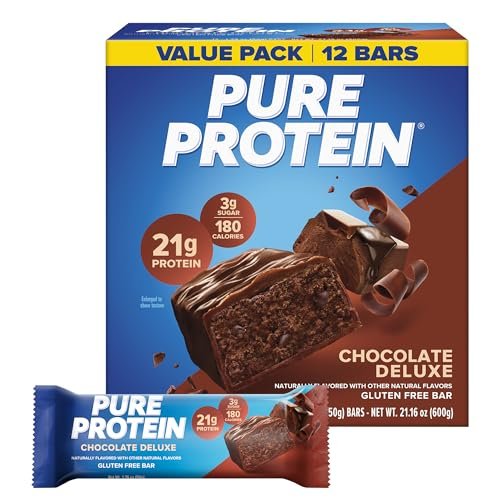
Does chocolate protein powder contain dairy?
It depends on the formula. Some chocolate protein powders use whey or casein, while others use pea, soy, or rice protein.
Chocolate flavor does not automatically mean a product contains milk. Check the protein source, added ingredients, and allergen statement before buying.
Q
Can I mix dairy-free protein powder with regular milk?
Yes, if you can safely consume regular milk and do not need the finished drink to be dairy-free. The powder may be dairy-free, but adding cow’s milk makes the complete drink a dairy-containing beverage.
For a fully dairy-free drink, use water or a suitable plant-based milk. Check the plant milk label too if you have food allergies.
Q
What is the best protein powder for someone avoiding dairy?
There is no single best option for everyone. Pea, soy, rice, and plant protein blends are common choices, while egg white protein is another option for people who eat eggs.
Choose based on your dietary restrictions, protein needs, allergies, taste, and ingredient preferences. If you have a milk allergy, check the allergen and cross-contact information carefully.
✦ Wrapping Up
Conclusion
So, does protein powder have dairy? The answer is yes for many popular products, but not for all of them. Whey, casein, and milk protein concentrate are dairy-based ingredients. Pea, soy, rice, and egg white protein powders can provide alternatives without naturally containing milk.
The biggest thing to remember is that dairy-free and lactose-free are different. Whey isolate may contain less lactose than whey concentrate, but it is still a milk protein. Someone with a milk allergy must avoid milk-derived protein ingredients rather than simply looking for a lactose-free claim.
Before buying a protein supplement, check the protein source, full ingredient list, Contains statement, and any cross-contact warning. If you have a diagnosed milk allergy, ask your healthcare professional or allergist for advice about suitable products.
You can meet your protein needs with or without supplements. Whole foods remain useful sources of protein, and a dairy-free powder can be a convenient addition when your regular diet needs extra support.
💡 Key Takeaway
Before your next protein powder purchase, read the full ingredient list. Avoid whey, casein, and milk protein if you need a dairy-free product, and choose a clearly labeled plant-based or other suitable alternative. If you have a milk allergy, also check cross-contact information and follow your allergist’s guidance.