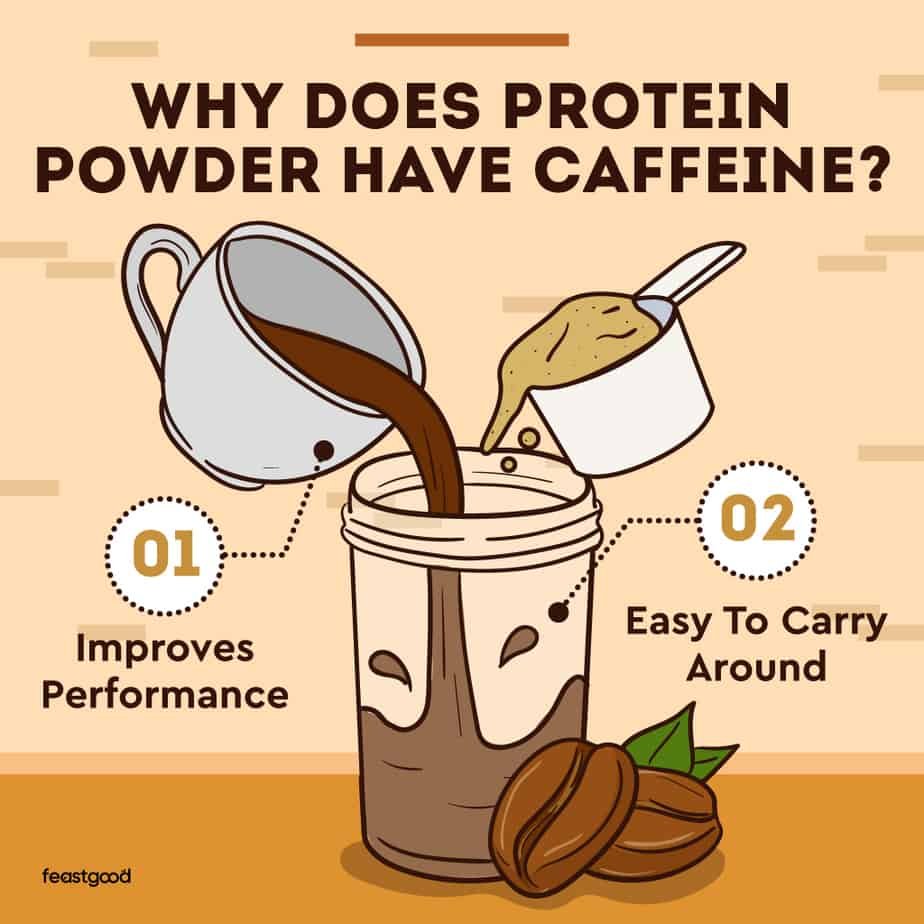
Most protein powders do not contain added caffeine, but coffee, cocoa, green tea, and energy-focused ingredients can add caffeine to certain formulas.
If you shop for protein powder at Walmart, Target, Costco, or a local nutrition store in the United States, you will find many options. Some contain whey, milk, soy, or pea protein. Others come in coffee, mocha, chocolate, and energy-focused flavors. This can make it hard to know whether your daily protein shake also contains caffeine.
The short answer is that plain protein powder usually does not contain added caffeine. Protein itself is not a natural source of caffeine. However, some brands add coffee beans, green coffee bean extract, green tea extract, or other caffeine-containing ingredients. Chocolate formulas may also contain small amounts of naturally occurring caffeine from cocoa.
The difference matters if you drink coffee each morning, take pre-workout supplements, exercise late in the day, or need to limit caffeine. A coffee-flavored protein powder does not always contain caffeine, and a chocolate powder may contain a small amount even when caffeine is not added as a separate ingredient.
In this guide, I explain where caffeine comes from in protein powders, how to read the label, what common examples can tell you, and how to choose a product that fits your daily routine. I also cover caffeine limits and the steps to take if a product does not clearly state its caffeine content.
Source: feastgood.com
Does Protein Powder Naturally Contain Caffeine?
No. Protein itself does not naturally contain caffeine. Protein powder is made from protein-rich foods or ingredients that have been processed to concentrate their protein content. Common sources include milk, eggs, soybeans, peas, and rice.
Caffeine is a different type of compound. It is a natural stimulant found in certain plants, including coffee beans, tea leaves, and cacao. Manufacturers may add these ingredients to protein powder for flavor, added caffeine, or other product features.
This means a basic whey protein isolate does not need caffeine to provide protein. The same applies to plain casein, soy protein, and pea protein. Their main purpose is to provide amino acids that help the body build and maintain tissue.
However, the complete formula matters more than the protein source alone. A whey powder with added coffee extract can contain caffeine, while a plant-based powder with no coffee or tea ingredients may have none. Always judge the finished product rather than assuming every powder in one category is the same.
Source: feastgood.com
Whey protein
Plain whey concentrate and whey isolate do not naturally contain caffeine. A flavored version may contain caffeine if the manufacturer adds coffee, tea, or another caffeine-containing ingredient.
Casein protein
Plain casein is a milk-derived protein and does not naturally contain caffeine. Check flavored versions for added coffee or cocoa ingredients.
Plant-based protein
Pea, soy, hemp, and rice proteins are not natural caffeine sources. However, green tea, coffee, or guarana ingredients can change the final caffeine content.
Egg protein
Egg white protein does not naturally contain caffeine. Added flavoring ingredients may affect the final formula.
Does Whey Protein Have Caffeine?
Plain whey protein generally contains no added caffeine. Whey comes from milk and is separated during cheese production. Manufacturers then process it into forms such as whey concentrate or whey isolate.
The protein source does not provide caffeine. However, coffee, mocha, and espresso versions may contain caffeine from real coffee ingredients. Some formulas also combine whey with caffeine for people who want protein and a stimulant in one drink.
If you want whey protein without caffeine, choose a plain or clearly labeled non-coffee flavor. Still, check the ingredient list because some chocolate flavors contain cocoa and may have trace amounts.
Plain whey
Usually contains no added caffeine.
Chocolate whey
May contain a small amount of natural caffeine from cocoa.
Coffee whey
May contain caffeine from coffee beans, coffee powder, or coffee extracts.
Does Plant-Based Protein Have Caffeine?
Plain plant-based protein does not naturally contain caffeine. Pea, soy, hemp, and rice proteins are not caffeine sources. This makes many unflavored plant-based powders suitable options for people who want to avoid added caffeine.
However, plant-based does not automatically mean caffeine-free. Some products contain green tea extract, green coffee bean extract, or coffee ingredients. These additions can supply caffeine even when the main protein source is pea or soy.
Read the complete ingredient list instead of relying on words such as natural, organic, vegan, or plant-based. These terms describe other product features and do not guarantee that a formula contains no caffeine.
Pea protein
The protein itself contains no caffeine.
Soy protein
The protein itself contains no caffeine.
Hemp protein
The protein itself is not a caffeine source.
Why Do Some Protein Powders Contain Caffeine?
Some manufacturers add caffeine to combine protein with the stimulating effects of coffee or other caffeine sources. This creates a convenient drink for people who want a protein serving and caffeine in one product.
For example, someone who exercises early in the morning may prefer one coffee-flavored protein shake instead of preparing coffee and a separate protein drink. Others may enjoy the taste of espresso or mocha and choose a formula that includes real coffee ingredients.
Caffeine stimulates the central nervous system. It can increase alertness and reduce the feeling of tiredness for a period of time. This is why it appears in coffee, tea, energy drinks, and some sports nutrition products.
However, caffeine does not provide the amino acids found in protein. The two ingredients serve different purposes. Protein supports the body’s need for amino acids, while caffeine acts as a stimulant.
A protein powder containing caffeine is not automatically better than a regular protein powder. The useful choice depends on your nutrition needs, caffeine tolerance, workout schedule, and total daily intake.
Source: feastgood.com
Convenience
A combined product can provide protein and caffeine in one drink, which may reduce the need to prepare two separate beverages.
Coffee flavor
Coffee and espresso ingredients can create a familiar taste while contributing natural caffeine.
Workout routines
Some people prefer caffeine before exercise because it may improve alertness and reduce perceived fatigue.
Product variety
Caffeine gives manufacturers another way to create coffee-based or energy-focused protein formulas.
Is Caffeine Added for Muscle Growth?
Caffeine is not a protein-building ingredient. It does not replace the amino acids your body needs to repair and build muscle tissue.
Protein provides essential amino acids that support muscle protein synthesis. Caffeine may help some people feel more alert during exercise, but that is a separate effect.
If your main goal is muscle growth, focus on getting enough protein throughout the day, following a suitable resistance training plan, and allowing enough time for recovery. Caffeine is optional rather than a requirement for building muscle.
Protein’s role
Provides amino acids needed for muscle repair and growth.
Caffeine’s role
Acts as a stimulant that may improve alertness and exercise performance.
Which Ingredients Can Add Caffeine to Protein Powder?
The ingredient list can reveal whether a protein powder may contain caffeine. Coffee, tea, cocoa, and certain plant extracts are common sources. Some provide a noticeable amount, while others contribute only small amounts.
A useful distinction is added caffeine versus naturally occurring caffeine. Added caffeine may be listed as caffeine in the ingredients. Naturally occurring caffeine may come from coffee beans, tea leaves, or cocoa used for flavor.
Some manufacturers also use botanical extracts. Green tea extract and guarana are examples of ingredients that can contain caffeine. If a label lists one of these ingredients but does not state the caffeine amount, contact the manufacturer before assuming the product is caffeine-free.
Source: foodfornet.com
Coffee beans and coffee powder
Real coffee ingredients can add caffeine to coffee, latte, espresso, and mocha protein formulas. The amount depends on the type and quantity used.
Green coffee bean extract
This ingredient comes from coffee beans and can provide caffeine. Some products use it as part of an energy or metabolism blend.
Green tea extract
Green tea extract may contain caffeine. The amount depends on the extract and the manufacturer’s formula.
Guarana
Guarana is a plant source of caffeine. It can appear in products marketed for energy or exercise support.
Cocoa powder
Cocoa naturally contains small amounts of caffeine. Chocolate protein powder may therefore contain a little caffeine even without added caffeine.
Added caffeine
Some manufacturers add caffeine directly to create a product with a defined stimulant content. Look for caffeine in the ingredient list and check whether the amount is disclosed.
Does Chocolate Protein Powder Have Caffeine?
Chocolate protein powder can contain a small amount of caffeine because cocoa naturally contains caffeine. However, this does not mean every chocolate protein powder provides enough caffeine to produce a noticeable stimulant effect.
For example, Orgain states that certain chocolate products containing cocoa have approximately less than 8 mg of naturally occurring caffeine per serving. This is a small amount compared with many coffee-based protein products.
The exact amount varies by recipe, cocoa content, and serving size. If you need to avoid caffeine completely, ask the manufacturer for confirmation rather than assuming chocolate powder contains zero.
Chocolate flavor
May contain naturally occurring caffeine from cocoa.
Chocolate flavoring
May use flavor ingredients without a meaningful amount of cocoa. The actual formula determines caffeine content.
Mocha flavor
May combine cocoa and coffee ingredients, so it deserves a closer label check.
Does Coffee-Flavored Protein Always Have Caffeine?
No. Coffee flavor does not guarantee that a protein powder contains caffeine. Manufacturers can create coffee-like flavors with natural or artificial flavor ingredients without adding a meaningful amount of real coffee.
For example, some coffee-flavored protein products use flavoring rather than coffee powder. Other products contain real coffee beans or coffee extracts and provide a measurable caffeine amount.
This is an important point for people who enjoy coffee flavor but want to avoid stimulants. Check the ingredient list for coffee, espresso, coffee bean extract, or caffeine. If the amount is unclear, ask the manufacturer.
Coffee flavor only
May provide the taste without a meaningful caffeine dose.
Real coffee ingredients
Can contribute naturally occurring caffeine.
Added caffeine
Provides a stimulant ingredient that may be listed separately on the label.
How Much Caffeine Is in Protein Powder?
There is no single caffeine amount for all protein powders. A plain whey powder may have no added caffeine, while a coffee-based formula may provide several dozen milligrams or more per serving.
The amount depends on the ingredients, coffee concentration, botanical extracts, and serving size. Even products from the same brand can have different caffeine levels across flavors.
The examples below show why checking the exact product matters. These are manufacturer-reported amounts for specific products, not universal values for every flavor or product line.
Source: feastgood.com
Orgain Organic Protein Plant Based Powder, Iced Coffee
Orgain reports approximately 60 mg of caffeine per serving from organic coffee beans. The product also provides 21 g of plant-based protein per serving.
Orgain 30g Protein Shake, Café Latte
Orgain reports approximately 97 mg of caffeine per carton. This is a ready-to-drink product rather than a standard protein powder.
Orgain chocolate products
The company reports less than approximately 8 mg of naturally occurring caffeine per serving in certain cocoa-containing chocolate products.
Momentous Chocolate Whey Protein Isolate
The manufacturer reports approximately 1.35 mg of naturally occurring caffeine per serving from cocoa.
Momentous Cappuccino Plant Protein
The manufacturer reports approximately 3 mg of caffeine per serving from coffee-derived flavoring.
Protein Powder Caffeine Compared With Coffee
Comparing caffeine with a familiar drink can help you understand the amount in a protein shake. The FDA lists approximately 95 mg of caffeine in an 8-ounce cup of coffee as a general comparison, although actual coffee content varies.
A protein powder with 3 mg of caffeine contains far less than a typical cup of coffee. A formula with 60 mg provides a more noticeable amount, while a serving with approximately 100 mg is closer to the caffeine in a typical small cup of coffee.
These comparisons are only estimates. Coffee preparation, bean type, serving size, and brewing method can change the final caffeine amount.
1 mg to 5 mg
A very small amount compared with a typical serving of brewed coffee.
15 mg to 30 mg
A modest amount that still contributes to your daily total.
40 mg to 60 mg
A more noticeable amount, though usually below a typical 8-ounce coffee serving.
90 mg to 100 mg
An amount close to the commonly cited 95 mg in an 8-ounce cup of coffee.
150 mg or more
A substantial caffeine serving that deserves careful consideration if you also consume coffee or pre-workout products.
Can Two Scoops Double the Caffeine?
Yes, if the product contains a fixed amount of caffeine per scoop, taking two scoops generally doubles the caffeine intake. For example, two servings of a powder containing 60 mg per serving provide approximately 120 mg of caffeine.
However, a scoop is not always the same as a serving. Some products define one serving as two scoops. Read the serving-size information before calculating your intake.
Use the manufacturer’s stated serving size rather than estimating from the scoop alone. This helps you avoid accidentally consuming more caffeine than intended.
One serving
Provides the caffeine amount stated for the full serving size.
Two full servings
Usually provide twice the listed caffeine amount when the formula is consistent.
Partial serving
May provide less caffeine, but only if the powder is mixed evenly and the serving is measured accurately.
How to Check Whether Your Protein Powder Contains Caffeine
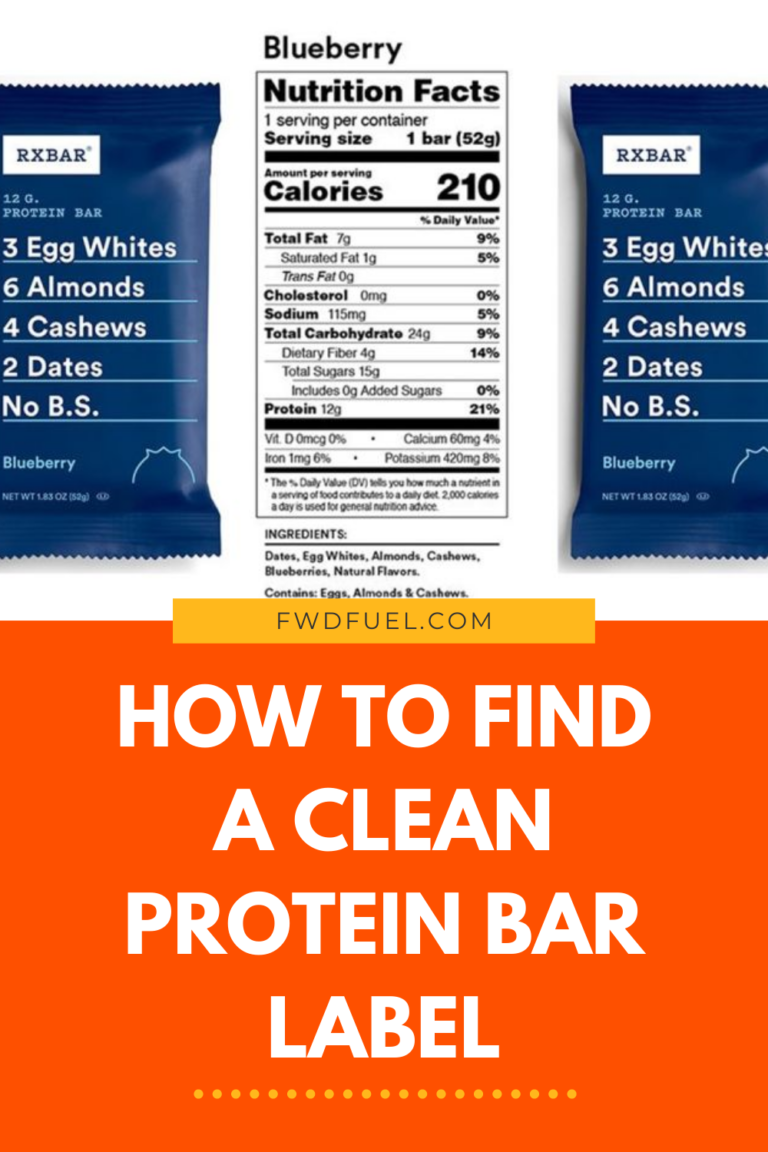
The best way to check a protein powder is to read the full ingredient list and look for a manufacturer’s caffeine disclosure. Do not rely only on the flavor name or the front of the container.
In the United States, FDA guidance explains that added caffeine used as a standalone ingredient must appear in the ingredient list. However, ingredients that naturally contain caffeine, such as cocoa or coffee, may appear under their own names instead.
The FDA also explains that many packaged foods and dietary supplements voluntarily disclose the total caffeine amount. This means the absence of a caffeine number does not always prove that a product contains none.
If you need an exact amount, check the manufacturer’s website or contact customer support. Ask about total caffeine per full serving from all sources, including botanical extracts and flavor ingredients.
Source: feastgood.com
Step 1: Find the ingredient list
Check the ingredients for caffeine, coffee, espresso, green coffee bean extract, green tea extract, guarana, cocoa, or other botanical sources.
Step 2: Read the Supplement Facts panel
Check the serving size, number of servings, and any listed caffeine or stimulant ingredients. Do not assume one scoop always equals one serving.
Step 3: Check the manufacturer’s website
Search for the exact product name and flavor. Manufacturers may publish caffeine amounts in product details or customer support pages.
Step 4: Contact customer support
Ask for the total caffeine amount in milligrams per serving if the label does not provide a clear answer.
Step 5: Calculate your total intake
Add the caffeine from your protein powder to coffee, tea, energy drinks, soda, chocolate, and other supplements consumed that day.
What Should You Ask the Manufacturer?
A simple question can help you avoid guessing about caffeine content. Ask the company whether the exact flavor contains caffeine from added ingredients or natural sources.
If you are sensitive to caffeine, ask for the total amount per full serving rather than only the amount of added caffeine. This distinction matters because coffee, cocoa, and botanical extracts can contribute caffeine even when the company does not add pure caffeine separately.
You can also ask whether the formula has changed recently. Product formulas and flavor ingredients can change, so an old online review may not match the container you currently own.
Useful question
How many milligrams of total caffeine are present in one full serving of this exact flavor?
Follow-up question
Does this amount include caffeine naturally present in coffee, cocoa, green tea, or botanical extracts?
Formula question
Has the ingredient list or caffeine content changed in the latest version?
How Much Caffeine Is Safe When Using Protein Powder?
The safety of a caffeinated protein powder depends on the total caffeine you consume, not just the amount in the shake. Coffee, tea, energy drinks, soda, chocolate, medications, and pre-workout supplements can all add to your daily intake.
The FDA cites 400 mg per day as an amount not generally associated with negative effects for most healthy adults. This is a general reference point, not a target that everyone should try to reach.
Some people feel the effects of caffeine at much lower amounts. Body weight, individual sensitivity, medical conditions, medications, and the timing of consumption can all affect how caffeine feels.
If you are pregnant, planning a pregnancy, breastfeeding, taking medication, or managing a health condition, ask a qualified health professional about an appropriate limit. A general adult guideline may not apply to your situation.
Source: foodsguy.com
Most healthy adults
The FDA cites 400 mg per day as an amount not generally associated with negative effects for most adults.
Pregnancy
The American College of Obstetricians and Gynecologists advises limiting caffeine to less than 200 mg per day during pregnancy.
Children and teenagers
Caffeinated protein products should not be treated as routine drinks for children. Ask a pediatric health professional about caffeine exposure.
People sensitive to caffeine
A much lower amount may cause nervousness, a fast heartbeat, anxiety, or sleep problems.
Example: Calculating Your Daily Caffeine Intake
Imagine you drink an 8-ounce cup of coffee in the morning, use a coffee-flavored protein powder after lunch, and drink tea later in the afternoon. You need to count all three sources rather than looking only at the protein shake.
For a simple example, assume your coffee provides 95 mg, your protein serving provides 60 mg, and your tea provides 40 mg. Your estimated total is 195 mg of caffeine.
This is a hypothetical calculation, not a measurement of every coffee or tea. Actual caffeine amounts vary, so use the product labels or manufacturer information when available.
Morning coffee
95 mg of caffeine.
Protein shake
60 mg of caffeine.
Afternoon tea
40 mg of caffeine.
Estimated daily total
195 mg of caffeine.
What Are the Signs of Too Much Caffeine?
Too much caffeine can cause both physical and mental symptoms. Some people notice the effects soon after drinking a caffeinated shake, while others may experience problems later in the day.
Common signs include restlessness, a racing heartbeat, nervousness, headaches, nausea, and difficulty sleeping. The risk can increase when several caffeinated products are used close together.
If you experience these symptoms, stop adding more caffeine and review everything you consumed. Seek medical advice if symptoms continue or you are concerned. Severe symptoms such as seizures, chest pain, or a dangerously irregular heartbeat require urgent medical attention.
Sleep problems
Caffeine consumed later in the day may make it harder to fall asleep or stay asleep.
Anxiety and jitters
Higher intake or individual sensitivity may cause nervousness, shaking, or restlessness.
Heart-related symptoms
Some people experience a fast heartbeat or palpitations after consuming too much caffeine.
Digestive discomfort
Caffeine may contribute to nausea, stomach upset, or discomfort in sensitive people.
Can You Mix Protein Powder With Coffee?
Yes. You can mix protein powder with coffee if the ingredients and preparation method suit your needs. This lets you enjoy a coffee-flavored protein drink without buying a separate caffeinated protein formula.
The main thing to consider is temperature and texture. Very hot liquid can make some protein powders clump or form an unpleasant texture. It does not mean that the protein becomes useless, but gentle mixing can make the drink easier to prepare.
For a smoother drink, first mix the powder with a small amount of cool or room-temperature liquid. Then add cooled coffee or gradually add warm coffee while stirring. A blender or handheld milk frother can also help.
Remember that the coffee still contains caffeine. If your protein powder already contains caffeine, adding brewed coffee increases the total amount.
Use cooled coffee
Let freshly brewed coffee cool before adding it to protein powder. This can help reduce clumping and improve the texture.
Mix the powder first
Blend the protein with a little water or milk before adding the coffee.
Watch the temperature
Avoid pouring boiling coffee directly into a shaker bottle, especially when it is tightly sealed.
Count the caffeine
Include both the protein powder and the coffee when estimating your daily caffeine intake.
Is Protein Coffee a Good Choice Before a Workout?
Protein coffee can be convenient before a workout if you want both protein and caffeine in one drink. However, the best timing and amount depend on your meal schedule, exercise type, and caffeine tolerance.
Some people prefer caffeine before exercise because it may improve alertness and reduce perceived fatigue. Protein provides amino acids that support muscle repair and growth, but it does not need to be consumed with caffeine to work.
If you exercise in the evening, consider whether caffeine may interfere with sleep. A regular caffeine-free protein shake may be more suitable when your workout takes place close to bedtime.
Morning exercise
A moderate caffeine-containing protein drink may fit a morning routine if you tolerate caffeine well.
Afternoon exercise
Consider your earlier coffee and tea intake before adding another caffeine source.
Evening exercise
A caffeine-free protein drink may help you avoid unnecessary stimulant intake close to bedtime.
How to Choose a Caffeine-Free Protein Powder
If you want to avoid caffeine, choose a simple protein formula with no added coffee, tea, guarana, or stimulant blend. Plain whey isolate, whey concentrate, casein, pea, and soy protein can all be suitable starting points.
However, the word plain is not a guarantee of zero caffeine. Some chocolate products contain cocoa, and certain flavored products may use botanical ingredients. If you need complete avoidance, confirm the exact formula with the manufacturer.
You do not need a caffeine-containing powder to meet your daily protein needs. A regular protein supplement can provide the same basic protein function without adding a stimulant ingredient.
Choose simple flavors
Unflavored, vanilla, and other non-coffee formulas may be easier to assess, although you should still read their ingredients.
Avoid energy blends
Skip products that list caffeine, guarana, green coffee bean extract, or stimulant blends if you want to avoid caffeine.
Check chocolate ingredients
Cocoa may contribute naturally occurring caffeine, even when no separate caffeine ingredient is added.
Check the serving size
Compare the caffeine and protein amounts for the full serving rather than relying on the number of scoops.
Ask for confirmation
Contact the manufacturer if you need a product with no caffeine from any source.
What If You Want Coffee Flavor Without Caffeine?
You can look for coffee-flavored products that use flavoring instead of regular coffee beans or caffeine-containing extracts. Some manufacturers create latte and mocha flavors without providing a meaningful caffeine dose.
Another option is to choose a caffeine-free protein powder and add a coffee-style flavoring that does not contain caffeine. Read the label of the flavoring product as well, because some coffee extracts and concentrates may contain caffeine.
Decaffeinated coffee can also be an option, but it is not always completely caffeine-free. Small amounts may remain after decaffeination, so people who must avoid caffeine entirely should check the product details.
Coffee-style flavoring
May provide the desired taste without using caffeine-containing coffee ingredients.
Decaf coffee
Usually contains much less caffeine than regular coffee, but it may not contain zero caffeine.
Vanilla protein
Can be combined with a suitable caffeine-free flavoring to create a coffee-style drink.
Should You Avoid Protein Powder With Caffeine at Night?
If caffeine affects your sleep, a caffeinated protein powder may not be a good choice close to bedtime. Even moderate amounts can affect sleep in some people.
The effect depends on your sensitivity, the dose, and the time you consume it. A serving with 100 mg of caffeine may be more disruptive for one person than a smaller serving is for another.
If you need protein after an evening workout, choose a caffeine-free formula. This allows you to meet your protein needs without adding a stimulant when you are preparing for sleep.
Check the timing
Think about when you plan to sleep, not only when you finish exercising.
Choose a caffeine-free formula
Use plain protein powder if you want to avoid the stimulant effects of caffeine.
Review your full intake
Remember that coffee, tea, soda, and pre-workout supplements can affect sleep too.
Common Mistakes When Checking Caffeine in Protein Powder
The biggest mistake is assuming that every protein powder has the same caffeine content. The protein source, flavor, and added ingredients all affect the final formula.
A second mistake is treating the front label as a complete ingredient list. Words such as coffee, energy, mocha, natural, and organic do not provide enough information to calculate caffeine intake.
The following points can help you avoid confusion when comparing products.
Assuming all coffee flavors contain caffeine
Some manufacturers use coffee flavoring without meaningful caffeine. Check whether the formula contains real coffee ingredients or added caffeine.
Assuming chocolate powder has zero caffeine
Cocoa naturally contains caffeine, so some chocolate formulas may contain small amounts.
Ignoring other supplements
Pre-workout powders, energy drinks, and stimulant products may add substantial caffeine to your daily total.
Confusing one scoop with one serving
Some products define a serving as more than one scoop. Always use the serving size on the package.
Trusting outdated product information
Manufacturers can change ingredients and formulas. Check the container you currently have rather than relying only on an older review.
Assuming natural means caffeine-free
Natural coffee, tea, and guarana ingredients can contain caffeine.
Treating 400 mg as a personal target
The FDA’s general reference for most adults is not a recommended goal for everyone. Individual tolerance and health conditions matter.
What If the Label Does Not Show Caffeine?
A missing caffeine amount does not always mean the powder contains no caffeine. The product may contain naturally occurring caffeine from cocoa, coffee, or botanical ingredients without providing a separate total caffeine figure.
Start by checking every ingredient. If you see coffee, green tea, guarana, or green coffee bean extract, contact the manufacturer for the total caffeine amount per serving.
If the company cannot confirm the amount and you need to avoid caffeine for health or personal reasons, choose another product with clearer ingredient information.
Clear caffeine disclosure
The easiest option is a product that states the total caffeine amount per serving.
Unclear ingredient source
Ask the manufacturer whether the source contains caffeine and how much reaches one serving.
No reliable answer
Choose a different formula if knowing the exact caffeine amount is important to you.
What Other Protein Powder Caffeine Questions Should You Consider?
Choosing a protein powder is not only about whether it contains caffeine. You should also consider the amount of protein, the full ingredient list, your dietary needs, and how the product fits into your daily routine.
Several useful questions remain after checking caffeine. These include whether a product is suitable for a late workout, whether two servings provide too much caffeine, and whether a caffeine-free product can still support muscle recovery.
The following question map separates practical next needs from questions that require product-specific confirmation.
Question: Does a second scoop double the caffeine?
Reader stage: Before use. Basis: An inferred next need from serving-size calculations. Coverage in the reviewed guides: Not consistently explained. Reader benefit: Understanding how serving size changes total caffeine intake. Priority: High.
Question: Can coffee flavor be caffeine-free?
Reader stage: Product selection. Basis: An observed question addressed by the reviewed FeastGood article and manufacturer information. Coverage: Answered, but individual formulas differ. Reader benefit: Avoiding incorrect assumptions about flavor names. Priority: High.
Question: Does cocoa add caffeine to chocolate protein?
Reader stage: Ingredient checking. Basis: An observed issue addressed by Orgain and Momentous product support information. Coverage: Shallow in some general protein guides. Reader benefit: Recognizing naturally occurring caffeine. Priority: High.
Question: What if the label does not list total caffeine?
Reader stage: Before purchase. Basis: An inferred next need from FDA labeling guidance and manufacturer disclosures. Coverage: Not fully addressed by the reviewed general guide. Reader benefit: Knowing when to contact customer support instead of assuming zero caffeine. Priority: High.
Question: Can I use protein powder after an evening workout?
Reader stage: After exercise. Basis: An inferred next need based on the relationship between caffeine timing and sleep. Coverage: Shallow in the reviewed general guide. Reader benefit: Choosing protein without unnecessary stimulant intake. Priority: Medium.
Frequently Asked Questions
Q
Does plain whey protein have caffeine?
Plain whey protein does not naturally contain caffeine. Whey comes from milk and provides protein and amino acids. However, flavored whey products may contain caffeine if the manufacturer adds coffee, green tea, or another caffeine-containing ingredient. Chocolate versions may also contain small amounts from cocoa.
Q
Does vanilla protein powder have caffeine?
Most plain vanilla protein powders do not contain added caffeine. However, the flavor name alone cannot guarantee zero caffeine. Check the ingredient list for coffee, tea extracts, guarana, cocoa, or added caffeine. Contact the manufacturer if you need complete confirmation.
Q
Does protein powder keep you awake?
Regular caffeine-free protein powder does not usually have the stimulant effect associated with caffeine. However, a coffee-based or energy-focused protein formula may affect sleep if it contains caffeine. Your sensitivity and the time you drink it also matter.
Q
Can I take protein powder and coffee together?
Yes. You can mix protein powder with coffee or drink them separately. Let the coffee cool before mixing if you want to reduce clumping. Remember that the coffee contributes caffeine, and a caffeinated protein formula adds even more.
Q
Is caffeine-free protein powder better for muscle growth?
Caffeine-free protein powder is not automatically better for muscle growth. Protein supports muscle repair and growth by providing amino acids. Caffeine has a separate role as a stimulant. You can build muscle with either type of protein powder, provided your overall nutrition and training support your goals.
Q
Can I drink caffeinated protein powder every day?
Some healthy adults may use a caffeinated protein powder daily while keeping their total caffeine intake within an appropriate limit. The FDA cites 400 mg per day as an amount not generally associated with negative effects for most adults. However, personal tolerance, medical conditions, medications, and sleep needs can change what is suitable. Check the caffeine amount in every serving and discuss regular use with a health professional if you have concerns.
Q
Does decaf coffee protein powder contain caffeine?
It may contain a small amount. Decaffeinated coffee usually has much less caffeine than regular coffee, but decaffeination does not always remove every trace. Check the product’s caffeine disclosure if you need to limit or avoid caffeine.
Q
Can teenagers use protein powder with caffeine?
Caffeinated protein products are not a good default choice for children or teenagers. Caffeine can affect sleep, heart rate, and anxiety. Teenagers who need help meeting their protein needs should discuss food choices and supplements with a qualified health professional rather than relying on stimulant-containing products.
Q
Does protein powder with caffeine cause dehydration?
A normal amount of caffeine does not automatically cause dehydration. However, high caffeine intake may increase urination in some situations, and exercise also increases fluid needs. Drink enough water during the day and avoid treating a caffeinated protein shake as a replacement for normal hydration.
✦ Wrapping Up
Conclusion
So, does protein powder have caffeine? Most plain protein powders do not contain added caffeine. Whey, casein, pea, soy, hemp, and egg proteins are not natural caffeine sources.
The main exceptions are products made with coffee, espresso, green coffee bean extract, green tea extract, guarana, or other caffeine-containing ingredients. Chocolate protein powders may also contain small amounts of natural caffeine from cocoa. Coffee flavor alone does not prove that a product contains caffeine.
The safest way to know what you are drinking is to check the exact product’s ingredient list, serving size, and caffeine disclosure. If the amount is unclear, contact the manufacturer and ask for the total caffeine per serving from all sources.
If you want to avoid stimulants, choose a simple caffeine-free formula and confirm its ingredients. If you enjoy caffeinated protein, include it in your daily caffeine calculation alongside coffee, tea, energy drinks, and other supplements. Your protein routine should support your nutrition needs without creating unwanted caffeine intake.
💡 Key Takeaway
Before your next protein shake, check the full ingredient list and serving size. Look for coffee, cocoa, green tea extract, guarana, and added caffeine. If the product does not state its total caffeine content, ask the manufacturer. Choose a confirmed caffeine-free formula if you need to avoid stimulants, and count every caffeine source throughout your day.
Can you gain muscle without protein powder? Learn how whole foods, daily protein intake, strength training, and recovery support natural muscle growth.