Yes, protein snacks can be good for you. They can help control hunger, support muscle health, and add useful nutrients to your diet. However, their health value depends on the ingredients, portion size, and your overall eating habits.
In the United States, protein snacks are easy to find in grocery stores, supermarkets, gyms, and convenience stores. From Greek yogurt and hard-boiled eggs to protein bars, roasted chickpeas, and nut mixes, Americans have many ways to add protein between meals. These foods can fit into a healthy eating plan, especially when they replace snacks that contain lots of added sugar, refined grains, or excess salt.
But a snack does not become healthy just because its package says high protein. Some protein bars and packaged bites contain plenty of added sugar, saturated fat, sodium, and calories. Others provide protein along with fiber, vitamins, minerals, and healthy fats. The difference matters more than the number printed on the front of the package.
The best approach is to choose protein snacks that meet your hunger needs and support your daily nutrition goals. You do not need expensive bars, powders, or special products to get enough protein. Ordinary foods such as eggs, milk, yogurt, beans, nuts, seeds, and fish can all make useful snacks.
This guide explains the benefits and possible drawbacks of protein snacks, how they affect hunger and muscle health, which foods are worth choosing, and how to read nutrition labels. It also explains when extra protein may not be appropriate and why a balanced diet matters more than chasing a high protein number.
Source: drbrighten.com
Are Protein Snacks Actually Good for You?
Yes, protein snacks can be a healthy part of your diet when you choose nutritious foods and eat suitable portions. Protein helps build and maintain muscles, repair body tissues, and support many important processes. Getting some protein between meals can also make a snack more satisfying.
The health value depends on the entire food, not just its protein content. For example, plain Greek yogurt provides protein and calcium, while nuts provide protein, fiber, and unsaturated fats. A heavily sweetened protein bar may provide protein too, but it can also contain considerable added sugar and calories.
The 2025–2030 Dietary Guidelines for Americans emphasize nutrient-dense foods, including protein foods, vegetables, fruits, dairy, and whole grains. They also encourage people to limit highly processed foods and excess added sugars. This supports a food-first approach to choosing everyday snacks.
A good protein snack should serve a purpose. It might help you manage hunger during a long workday, provide food after exercise, or help you meet your daily nutrient needs. If you are not hungry and already meet your nutritional needs, adding another snack is not necessary.
Source: wholelottayum.com
Supports normal body functions
Protein supplies amino acids that your body uses to maintain muscles, skin, organs, enzymes, and other tissues.
Can make snacks more satisfying
Protein can help you feel full, especially when you eat it with fiber-rich foods.
Provides useful nutrients
Whole-food protein snacks may also supply calcium, iron, zinc, healthy fats, vitamins, and dietary fiber.
Offers convenient nutrition
Portable choices such as nuts, roasted chickpeas, and boiled eggs can help when regular meals are several hours away.
What Makes a Protein Snack Healthy?
A healthy protein snack provides useful nutrition without adding too much sugar, salt, or excess energy. It should also fit your food preferences, health needs, and daily eating pattern. There is no single protein amount that makes every snack healthy.
For example, a small serving of almonds contains less protein than many protein bars, but it also provides fiber and unsaturated fats. Plain yogurt offers protein and calcium, while fruit adds fiber, water, and vitamins. Combining these foods can create a more balanced snack than eating a sweet protein product alone.
Protein
Choose a meaningful source, such as dairy, eggs, soy, legumes, fish, poultry, nuts, or seeds.
Fiber
Look for beans, chickpeas, fruit, vegetables, nuts, seeds, and whole grains to support digestion and fullness.
Healthy fats
Nuts, seeds, and some dairy foods provide fats that can make snacks more satisfying.
Lower added sugar and sodium
Compare labels rather than assuming that every product marketed as high protein is nutritious.
Health Benefits of Eating Protein Snacks
Protein snacks can offer several benefits when they are part of a balanced eating pattern. Their main advantages relate to muscle maintenance, hunger control, nutrient intake, and convenience. However, the benefits depend on the food you choose and how it fits into your overall diet.
Protein is not only important for athletes or people who lift weights. Your body needs it every day to maintain tissues and perform normal functions. A nutritious snack can help spread protein intake across the day instead of leaving most of it for dinner.
Source: vlhhealth.com
1. They support muscle maintenance
Your body uses amino acids from protein to repair and maintain muscle tissue. Eating protein throughout the day can help provide the building blocks needed for these processes.
2. They may help control hunger
Protein can increase feelings of fullness after eating. A snack containing protein and fiber may keep you satisfied longer than a snack made mostly of refined carbohydrates.
3. They can support exercise recovery
After physical activity, protein supplies amino acids used in muscle repair. Pairing a protein source with carbohydrates can also help replace energy used during longer or more demanding workouts.
4. They help improve overall nutrient intake
Protein foods such as yogurt, eggs, beans, nuts, and seeds supply nutrients beyond protein. Depending on the food, these may include calcium, iron, magnesium, potassium, and healthy fats.
5. They offer a convenient option between meals
A suitable snack can help bridge a long gap between breakfast and lunch or lunch and dinner. This can be useful for people with busy work schedules, school commitments, or active lifestyles.
Can Protein Snacks Help You Feel Full Longer?
Yes, protein can help increase satiety, which means the feeling of fullness after eating. It affects digestive and appetite-related signals and can make a meal or snack more satisfying. This is one reason why plain yogurt, eggs, cottage cheese, and nuts can work well between meals.
However, protein is not the only factor that affects hunger. Fiber, food volume, water content, fat, sleep, stress, and meal timing can also play a role. A small protein bar may not satisfy you as much as a larger snack made with yogurt, berries, and oats.
If you often feel hungry shortly after eating, consider the full composition of your snack. Adding fruit, vegetables, whole grains, or legumes can improve its overall nutritional value and make it more filling.
A simple combination
Try plain Greek yogurt with berries and a small amount of nuts. This provides protein, fiber, and healthy fats.
A savory option
Pair a hard-boiled egg with whole-grain crackers and sliced vegetables.
Can Protein Snacks Help Build Muscle?
Protein snacks can contribute to muscle growth, but eating protein alone will not build larger muscles. Muscle development depends on resistance training, enough total food energy, adequate protein intake, and recovery.
When you exercise, especially during strength training, your muscles experience small amounts of damage. Your body uses amino acids to repair and adapt to that activity. A protein-containing snack can help supply those amino acids as part of your daily intake.
You do not need a special protein bar immediately after every workout. A normal meal containing eggs, chicken, fish, tofu, beans, or dairy can provide the same basic nutritional building blocks. What matters more is meeting your overall needs consistently.
Greek yogurt with fruit, milk with a banana, or eggs with whole-grain toast can provide useful nutrients.
During recovery
Include protein in regular meals and snacks rather than relying on one large serving.
Can Protein Snacks Help With Weight Management?
Protein snacks may support weight management because they can help control hunger and make it easier to follow a satisfying eating plan. When a nutritious snack replaces a less filling option, it may also improve the quality of your diet.
For example, replacing a candy bar with plain Greek yogurt and fruit can provide protein, calcium, and fiber while reducing added sugar. However, the result depends on portion sizes and the rest of your meals.
Protein does not automatically cause weight loss. Your body weight is influenced by total energy intake, physical activity, sleep, medications, health conditions, and many other factors. Adding several high-calorie protein snacks to an existing diet may increase your calorie intake rather than reduce it.
The best approach is to use snacks when you are genuinely hungry and choose portions that satisfy you without replacing important meals. A balanced snack can make an eating plan easier to maintain, but it is not a shortcut to weight loss.
Source: feelgoodfoodie.net
Choose filling foods
Plain yogurt, cottage cheese, boiled eggs, edamame, and roasted chickpeas can provide useful protein.
Watch portion sizes
Nuts, seeds, nut butters, and many protein bars contain substantial calories in relatively small portions.
Avoid unnecessary liquid calories
Some ready-to-drink protein beverages contain added sugars and calories that may not be needed.
Keep regular meals balanced
Do not use protein snacks as a reason to skip vegetables, fruits, whole grains, or other important foods.
Are Protein Bars Good for Weight Loss?
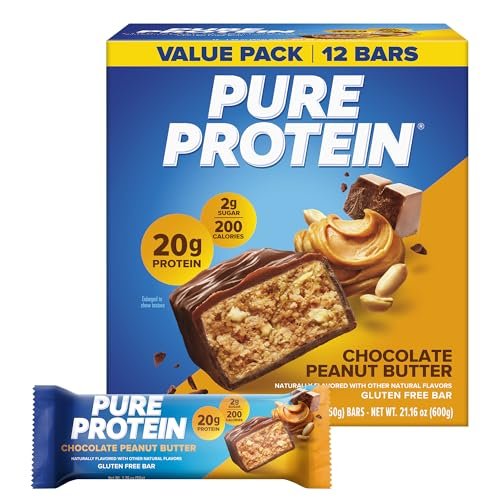
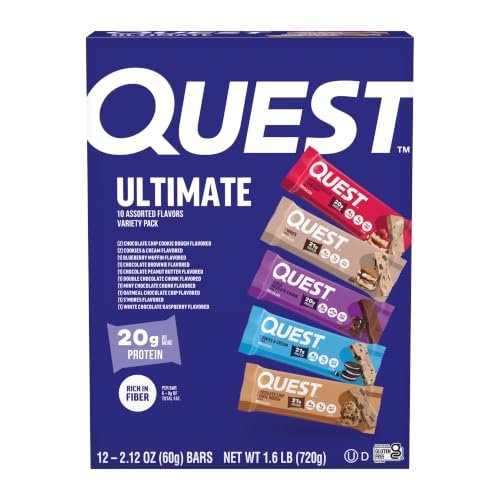
Protein bars can be useful when you need a portable snack, but they are not automatically good for weight loss. Some provide a reasonable amount of protein in a convenient serving, while others contain considerable sugar, saturated fat, and calories.
Read the full Nutrition Facts label before buying one. Check the serving size, calories, protein, added sugars, saturated fat, sodium, and fiber. A product with 20 grams of protein may still be a poor everyday choice if it contains a large amount of added sugar and provides little else.
A protein bar may work well during travel or a busy workday when a balanced meal is unavailable. At home, ordinary foods such as yogurt, eggs, fruit, or cottage cheese may offer more variety and better overall value.
Look beyond the front label
Marketing terms such as high protein, keto, natural, and low carb do not tell you the full nutritional picture.
Check the entire serving
Some packages contain more than one serving, so eating the whole package may provide more calories and sugar than expected.
The Best Healthy Protein Snacks to Eat
The best protein snacks are usually simple foods that provide more than one useful nutrient. You can choose animal-based or plant-based options based on your preferences, allergies, budget, and dietary needs.
You do not need to eat the same snack every day. Rotating different protein sources can provide a wider range of nutrients and make your eating routine more enjoyable. The following choices are practical options for home, school, work, and travel.
Source: lowcarbspark.com
Greek yogurt
Plain Greek yogurt is a convenient source of protein and calcium. Add berries, sliced fruit, or a small serving of nuts for extra nutrients.
Hard-boiled eggs
Eggs provide complete protein and several vitamins. They are easy to prepare in advance and pair well with fruit or whole-grain toast.
Cottage cheese
Cottage cheese supplies protein and calcium. Choose a lower-sodium variety if you need to limit salt intake.
Almonds and walnuts
Nuts provide plant protein, fiber, and unsaturated fats. Keep portions moderate because they are energy-dense.
Roasted chickpeas
Chickpeas provide plant protein and fiber. Homemade versions allow you to control the amount of oil and salt.
Edamame
These young soybeans offer plant protein, fiber, and several minerals. Cooked, shelled edamame makes a convenient savory snack.
Peanut butter and apple
A tablespoon of peanut butter with apple slices combines protein and healthy fats with fruit fiber. Check the label for added sugar and salt.
Tuna
Tuna provides protein and can be served with whole-grain crackers or vegetables. Choose suitable portions and consider mercury guidance when eating fish regularly.
Milk
Cow’s milk supplies protein and calcium. Unsweetened fortified soy milk can be an alternative for people who avoid dairy.
Pumpkin seeds
Pumpkin seeds contain protein, healthy fats, magnesium, and other minerals. Choose unsalted or lightly salted versions when possible.
Healthy Protein Snacks for Vegetarians
Vegetarians can get plenty of protein from dairy products, eggs, beans, lentils, soy foods, nuts, and seeds. You do not need meat or fish to make a nutritious high-protein snack.
If you follow a vegan diet, focus on soybeans, tofu, edamame, chickpeas, lentils, nuts, and seeds. Eating a variety of plant foods throughout the day helps supply the essential amino acids your body needs.
Hummus with vegetables
Chickpea-based hummus provides some protein and fiber. Serve it with carrots, cucumber, or bell peppers.
Roasted soybeans
Soybeans are a protein-rich plant food and make a convenient crunchy snack.
Tofu cubes
Seasoned baked tofu provides complete plant protein and can be prepared ahead of time.
Chia pudding
Chia seeds provide fiber, healthy fats, and some protein. Prepare them with milk or fortified soy milk for a more substantial snack.
Peanut butter on whole-grain toast
This combination supplies plant protein, fiber, and unsaturated fats.
Quick Protein Snacks for Busy Americans
A busy schedule does not mean you need to depend on packaged protein products. A little meal preparation can make nutritious snacks easier to reach for during work breaks, school days, road trips, or long commutes.
Prepare a few portions in advance and keep perishable foods refrigerated. For longer trips, use an insulated lunch bag with ice packs to keep foods such as eggs, dairy, and cooked chicken at safe temperatures.
Five-minute option
Combine plain Greek yogurt with berries and a few nuts.
No-cook option
Pack unsalted almonds, pumpkin seeds, and a piece of fresh fruit.
Meal-prep option
Prepare hard-boiled eggs, cooked edamame, or roasted chickpeas ahead of time.
Portable option
Choose a protein bar with a sensible ingredient list when refrigeration or meal preparation is not practical.
How Much Protein Should a Healthy Snack Contain?
There is no official protein requirement for every individual snack. Your daily protein needs depend on your body weight, age, activity level, health status, and overall eating pattern. A snack should help meet your needs without forcing you to consume more protein than you require.
The long-standing Recommended Dietary Allowance for protein for most healthy adults is 0.8 grams per kilogram of body weight per day. For example, a person weighing 150 pounds, or about 68 kilograms, would need approximately 54 grams per day using this baseline.
The 2025–2030 Dietary Guidelines for Americans describe a higher general protein target of approximately 1.2 to 1.6 grams per kilogram per day, with adjustments based on individual needs. These figures are dietary guidance rather than a universal prescription for every person. Age, activity, medical conditions, and total calorie intake can change the appropriate target.
The FDA uses 50 grams as the Daily Value for protein on Nutrition Facts labels. This is a general labeling reference for a 2,000-calorie diet, not a personal protein prescription. Your own needs may be higher or lower.
Source: craftyourhappiness.com
A small snack
A modest serving of nuts, milk, or yogurt may provide enough protein to complement a meal.
A more substantial snack
An egg-based snack, cottage cheese, or edamame may provide more protein when you have a longer gap between meals.
An exercise-related snack
A combination of protein and carbohydrates can be useful after demanding physical activity.
Example of Daily Protein Needs
The following table uses the long-standing 0.8-gram-per-kilogram adult RDA to illustrate how body weight affects a basic protein reference. These are mathematical examples, not individualized recommendations or meal plans.
140 pounds
Approximately 51 grams of protein per day using the 0.8-gram baseline.
150 pounds
Approximately 54 grams of protein per day using the 0.8-gram baseline.
180 pounds
Approximately 65 grams of protein per day using the 0.8-gram baseline.
200 pounds
Approximately 73 grams of protein per day using the 0.8-gram baseline.
Should You Eat Protein at Every Snack?
No. You do not need to make every snack a protein snack. Fruit, vegetables, whole-grain crackers, and other foods can also fit into a healthy eating pattern.
The goal is to get enough protein across the day while eating a varied diet. If your breakfast, lunch, and dinner already provide adequate protein, you may not need extra protein between meals.
Follow your hunger
Eat a snack when you need one rather than following a strict protein-snacking schedule.
Think about your full diet
Consider the protein supplied by meals, beverages, and snacks together.
Are There Any Disadvantages to Protein Snacks?
Protein snacks are not automatically healthy, and eating too many of them can create problems. The biggest concerns usually involve excess calories, added sugar, sodium, poor food variety, and unnecessary reliance on supplements.
A packaged snack may contain 15 or 20 grams of protein but still be high in saturated fat or added sugar. Eating several such products every day can make it harder to maintain a balanced diet.
Some people also experience digestive discomfort after consuming certain protein products. This may happen because of lactose, sugar alcohols, concentrated protein ingredients, or other additives. The response varies from person to person.
Source: www.pinterest.com
Excess calorie intake
Protein bars, shakes, nuts, and nut butters can add substantial calories. Eating them on top of regular meals may increase total energy intake.
Added sugar
Some protein snacks contain sweeteners, syrups, chocolate coatings, or other sources of added sugar.
High sodium
Jerky, flavored nuts, packaged meat snacks, and some cheese products can contain considerable sodium.
Digestive problems
Certain protein bars and shakes can cause bloating, gas, or diarrhea in sensitive individuals.
Limited food variety
Depending too heavily on protein products may reduce your intake of fruits, vegetables, whole grains, and other important foods.
Can Eating Too Much Protein Be Harmful?
Consuming more protein than your body needs does not automatically produce more muscle or better health. Your body uses amino acids for important functions, but extra protein is not stored as additional muscle simply because you eat it.
Very high protein intake can also make it harder to maintain a balanced diet if it crowds out other foods. Depending on the source, it may increase your intake of saturated fat, sodium, or calories.
People with chronic kidney disease or certain other medical conditions may need an individualized protein plan. Kidney function affects how the body handles waste products from protein metabolism, so general high-protein advice may not be appropriate for everyone.
If you have kidney disease, liver disease, diabetes with kidney complications, or another condition that affects nutrition, speak with your healthcare professional or registered dietitian before increasing your protein intake.
Avoid extreme protein goals
Do not assume that eating more protein is always better.
Consider your medical history
Certain health conditions require specific dietary adjustments.
Use food first
Ordinary protein-rich foods can meet many people’s needs without high-dose supplements.
Are Processed Protein Snacks Bad for You?
Not every packaged protein snack is unhealthy. Processing can make food safer, easier to store, and more convenient. For example, plain roasted nuts, canned beans, and some unsweetened yogurt products are processed foods that can still be nutritious.
The concern is more about the overall ingredients and nutritional profile. Some highly processed bars and snack products contain refined ingredients, added sugars, excess sodium, and several additives while providing little fiber or other useful nutrients.
The 2025–2030 Dietary Guidelines for Americans emphasize choosing nutrient-dense foods and limiting highly processed products. You can apply this principle by making whole or minimally processed foods your regular choices and using packaged protein snacks when convenience matters.
Read ingredient lists
Check the main ingredients and look for products that provide useful nutrients.
Compare similar products
Choose options with less added sugar and sodium when the protein content is similar.
Avoid unnecessary dependence
Use packaged bars and shakes as convenient options rather than as replacements for most whole foods.
Do Protein Snacks Cause Digestive Problems?
Some protein snacks can cause digestive symptoms, but the problem is not necessarily protein itself. Lactose in dairy products may affect people with lactose intolerance, while certain sugar alcohols in protein bars can cause gas, bloating, or loose stools.
Large servings of nuts, seeds, or fiber-rich legumes may also cause discomfort if your digestive system is not used to them. Increasing fiber gradually and drinking enough water can help some people adjust.
If a particular snack repeatedly causes symptoms, stop eating it and examine its ingredients. Persistent or severe digestive problems should be discussed with a healthcare professional.
Try lactose-free choices
Lactose-free milk or suitable plant-based alternatives may help if lactose is the problem.
Check sugar alcohols
Look for ingredients such as sorbitol, maltitol, and erythritol if you notice symptoms after eating protein bars.
Adjust fiber gradually
Increase beans, seeds, and other fiber-rich foods slowly if you are not used to them.
How to Choose a Healthy Packaged Protein Snack
Choosing a healthy packaged snack starts with the Nutrition Facts label. Do not rely only on the front of the package because terms such as protein-rich, low carb, and natural do not provide a complete picture of nutritional quality.
The U.S. Food and Drug Administration provides a useful way to compare nutrients through Percent Daily Value, or %DV. As a general guide, 5% DV or less is considered low, while 20% DV or more is considered high for an individual nutrient.
The FDA advises consumers to look for foods that are higher in fiber and certain important nutrients while being lower in saturated fat, sodium, and added sugars. These comparisons can help you choose a better snack without needing to understand every ingredient in detail.
Source: www.pinterest.com
Check serving size
Find out whether the nutrition information applies to one bar, half a package, or multiple servings.
Check protein content
Compare products and consider whether the protein amount is useful for your needs.
Review added sugars
Choose products with less added sugar when possible.
Compare sodium levels
Look for lower-sodium options, especially if you need to manage blood pressure.
Look for fiber
Fiber can improve the nutritional value of a snack and support digestive health.
Check allergens
Read the ingredient and allergen information if you have a food allergy or intolerance.
What Should You Avoid in Protein Snacks?
You do not need to avoid every packaged ingredient or sweetener. Instead, look at the whole nutritional profile and consider how frequently you eat the product.
A snack that provides useful protein but also contains a lot of added sugar or sodium may be better as an occasional convenience food than an everyday choice.
Large amounts of added sugar
Watch for syrups, sugar, honey, and other sweeteners that add substantial amounts of sugar.
Excess saturated fat
Some chocolate-coated bars and dairy-based products contain more saturated fat than expected.
Excess sodium
Highly salted meat snacks and flavored products may contribute a large amount of daily sodium.
Unnecessary supplement ingredients
Avoid products that make exaggerated health claims or contain ingredients you do not understand or need.
Are Protein Powders Better Than Protein Snacks?
Protein powders and ready-to-drink shakes are convenient, but they are not automatically better than whole-food snacks. They can help people who have difficulty meeting their protein needs through ordinary meals, but many people do not need them.
Protein supplements may contain whey, casein, soy, pea, or other protein sources. Their nutritional value varies by product, and some contain added sugars, artificial sweeteners, flavorings, and other ingredients.
In the United States, dietary supplements are not approved by the FDA for safety and effectiveness before they are marketed in the same way as medicines. If you use a protein supplement, check the ingredients, serving size, and quality information carefully. Ask a qualified healthcare professional if you have a medical condition or take medications that may affect your nutritional needs.
Choose food when practical
Yogurt, eggs, beans, milk, tofu, and nuts offer protein along with other nutrients.
Use supplements for a clear reason
A powder or shake may be useful when food access, appetite, or a demanding schedule makes protein intake difficult.
Check product quality
Review the ingredient list and consider independent quality testing when choosing a supplement.
Who Should Eat Protein Snacks?
Protein snacks can be useful for many people, but not everyone needs to increase their protein intake. Their value depends on daily food intake, appetite, physical activity, age, and medical needs.
People who have long gaps between meals may find them helpful. Older adults, active individuals, and people with increased nutritional needs may also benefit from planning convenient protein sources throughout the day.
However, a high-protein eating plan is not suitable for every person. Anyone with a medical condition that affects protein metabolism or kidney function should get professional guidance before making major dietary changes.
Source: proteincompany.in
Active adults
People who exercise regularly can use protein snacks to help meet their daily nutritional needs and support muscle recovery.
Older adults
Protein-rich foods can help older people maintain muscle mass as part of a balanced diet and appropriate physical activity.
Busy workers and students
Portable foods such as nuts, yogurt, eggs, and roasted chickpeas can help when meal times are delayed.
Vegetarians and vegans
Plant-based protein snacks can help people meet their nutritional needs without meat or dairy.
People with reduced appetite
A nutrient-rich snack may help provide needed nutrition when eating a full meal is difficult, although persistent appetite changes need medical attention.
Are Protein Snacks Good for Children?
Protein snacks can be part of a healthy eating pattern for children, but their needs differ from those of adults. Children need enough energy and a wide range of nutrients to support growth and development.
Suitable options may include plain yogurt, milk, eggs, cheese, nut or seed butter when safe, beans, and hummus. Whole foods are generally better everyday choices than highly sweetened protein bars or supplements.
Parents should consider food allergies, choking risks, age-appropriate portions, and the child’s ability to chew safely. Whole nuts, for example, can present a choking hazard for young children. Do not give children adult protein supplements unless a qualified healthcare professional specifically recommends them.
Choose age-appropriate foods
Serve soft, safe textures and suitable portions based on the child’s age and development.
Avoid unnecessary supplements
Most children should get protein through ordinary meals and snacks rather than protein powders.
Offer variety
Include fruit, vegetables, whole grains, dairy or suitable alternatives, and different protein foods.
Who Should Be Careful With High-Protein Snacks?
People with chronic kidney disease may need to adjust protein intake based on kidney function, disease stage, and treatment. A high-protein diet should not be started without advice from a healthcare professional who understands their condition.
People with food allergies should check ingredients and cross-contact warnings. Someone with a milk allergy, for example, may need to avoid whey and casein, while people with peanut allergies must avoid snacks containing peanuts.
People with diabetes should check the total carbohydrate content, added sugars, and portion size of packaged snacks. Protein does not cancel out the carbohydrates in a sweetened bar or shake.
If you have a chronic condition, a history of disordered eating, or unexplained changes in appetite or weight, seek individualized advice rather than following general high-protein diet trends.
Kidney conditions
Ask your kidney specialist or renal dietitian about an appropriate protein intake.
Food allergies
Check ingredient lists and allergen statements every time you buy a packaged product.
Diabetes
Review carbohydrates, added sugars, and total calories as well as protein.
Simple Ways to Add Protein Snacks to Your Daily Routine
You can add protein snacks to your routine without changing your entire diet. Start by identifying when you usually feel hungry and choosing a suitable food that is easy to prepare or carry.
For example, someone who eats breakfast at 7 a.m. and lunch at 1 p.m. may benefit from a small snack during the morning. Another person who exercises after work may prefer a snack afterward. The best schedule is the one that supports your hunger and daily activities.
Preparation can make healthy choices easier. Keep suitable shelf-stable foods in your pantry, prepare refrigerated snacks in advance, and bring an insulated bag when you need to carry perishable items.
Source: lowcarbspark.com
Plan ahead
Choose a few snacks at the start of the week so you are less likely to rely on whatever packaged food is available.
Combine food groups
Pair protein sources with fruit, vegetables, or whole grains for a more balanced snack.
Prepare suitable portions
Divide nuts, seeds, and other energy-dense foods into individual servings.
Store food safely
Refrigerate eggs, dairy products, cooked legumes, and other perishable foods. Follow food safety instructions when transporting them.
A Sample Day of Balanced Protein Snacks
The following example shows how protein snacks can fit into an ordinary American eating routine. It is an illustration, not a prescribed meal plan. Portions and food choices should be adjusted to individual needs.
Morning
Plain Greek yogurt with blueberries and a small serving of walnuts.
Afternoon
Apple slices with peanut butter or a hard-boiled egg with whole-grain crackers.
After exercise
Milk or fortified soy milk with a banana, if additional food is needed.
Evening
A small serving of cottage cheese or roasted chickpeas if you are hungry before dinner.
How to Know Whether Your Protein Snack Is Working
A useful snack should meet a real need without making you feel overly full or interfering with your next meal. You should also be able to fit it into your regular eating routine without relying on expensive products.
Pay attention to your hunger, energy, digestion, and food variety. If a snack repeatedly leaves you hungry, causes discomfort, or adds more calories than you intended, try a different combination or serving size.
You feel satisfied
The snack helps bridge the gap between meals without leaving you uncomfortable.
It fits your routine
You can prepare, store, and eat it without unnecessary difficulty.
It adds useful nutrients
The food provides more than a marketing claim or a high protein number.
You tolerate it well
It does not repeatedly cause digestive problems or conflict with your dietary needs.
Frequently Asked Questions
Q
Are protein snacks good for you every day?
Yes, nutritious protein snacks can be eaten daily if they fit your hunger, nutritional needs, and overall diet. Foods such as plain yogurt, eggs, nuts, seeds, beans, and edamame are practical choices. However, you do not need to eat protein at every snack or add extra protein when your daily needs are already met.
Focus on food variety, suitable portions, and overall nutritional quality rather than eating the same protein product every day.
Q
Do protein snacks help you lose belly fat?
No specific protein snack can target belly fat. Protein may help with fullness and make weight management easier for some people, but fat loss depends on overall energy balance, physical activity, sleep, and other health factors.
A balanced eating plan and regular physical activity are more useful than relying on protein bars or shakes to reduce abdominal fat.
Q
What is the healthiest protein snack?
There is no single healthiest choice for everyone. Plain Greek yogurt, hard-boiled eggs, cottage cheese, edamame, roasted chickpeas, and unsalted nuts are all nutritious options.
The best choice depends on your dietary preferences, allergies, nutritional needs, and the other foods you eat during the day.
Q
Are protein bars healthier than regular snacks?
Not always. Some protein bars provide useful nutrients and can be convenient, but others contain considerable added sugar, saturated fat, sodium, and calories.
Compare the Nutrition Facts labels of protein bars and ordinary snacks. A simple food such as yogurt with fruit or an egg with whole-grain crackers may provide a more balanced choice.
Q
Can I eat protein snacks without exercising?
Yes. Protein is an essential nutrient for everyone, not just people who exercise. Your body uses it to maintain tissues, support normal functions, and repair cells.
You do not need to work out to benefit from nutritious protein foods. However, extra protein beyond your needs does not automatically improve health or increase muscle mass.
Q
Are high-protein snacks good before bed?
A small protein-containing snack before bed can be suitable if you are hungry. Plain yogurt, cottage cheese, or milk may provide protein and other nutrients.
There is no need to eat before sleeping if you are not hungry. Choose a portion that feels comfortable, and avoid foods that trigger reflux or digestive discomfort.
Q
Are plant-based protein snacks as good as animal-based snacks?
Plant-based snacks can provide excellent nutrition. Soybeans, edamame, tofu, beans, lentils, nuts, and seeds all supply protein, while many also contain fiber and beneficial fats.
Animal-based foods such as eggs, yogurt, fish, and milk can also be nutritious. A varied diet can provide the essential amino acids and other nutrients your body needs.
Q
Can protein snacks replace meals?
Most ordinary protein snacks are not designed to replace complete meals. A bar, handful of nuts, or small yogurt may not provide enough energy, fiber, vitamins, and minerals to serve as a balanced meal.
If you need a portable meal, combine several foods, such as Greek yogurt, fruit, oats, and nuts, or prepare a whole-grain sandwich with eggs or beans. A meal replacement product should be evaluated separately from a regular protein snack.
Q
Are protein snacks safe for people with kidney disease?
Not every high-protein snack is appropriate for someone with kidney disease. Protein needs can vary according to kidney function, disease stage, dialysis status, and other medical factors.
People with kidney disease should ask their healthcare professional or renal dietitian how much protein they need before increasing their intake or using protein supplements.
✦ Wrapping Up
Conclusion
So, are protein snacks good for you? Yes, they can be a healthy and practical addition to your daily eating routine. They provide protein that supports muscle maintenance, tissue repair, and other important body functions. They may also help control hunger and make it easier to meet your nutritional needs between meals.
However, the benefits depend on what you eat. Plain Greek yogurt, eggs, cottage cheese, nuts, seeds, edamame, and roasted chickpeas are useful choices because they provide protein along with other nutrients. Some packaged protein bars and shakes can also be convenient, but you should check their added sugars, sodium, saturated fat, calories, and ingredients.
Remember that eating more protein is not always better. Your body needs a balanced mix of nutrients, and protein snacks cannot replace a varied diet. Most healthy adults can meet their needs through ordinary foods, while people with certain medical conditions may require individualized advice.
The smartest approach is simple: choose foods that satisfy your hunger, provide useful nutrients, and fit your lifestyle. You do not need expensive products or complicated eating rules to enjoy the benefits of protein.
💡 Key Takeaway
Start with one simple change: replace a less nutritious snack with plain Greek yogurt and berries, a hard-boiled egg with whole-grain crackers, or roasted chickpeas. Check nutrition labels on packaged products, pay attention to portion sizes, and choose protein sources that fit your daily needs. If you have kidney disease or another condition that affects your protein requirements, consult a qualified healthcare professional before increasing your intake.