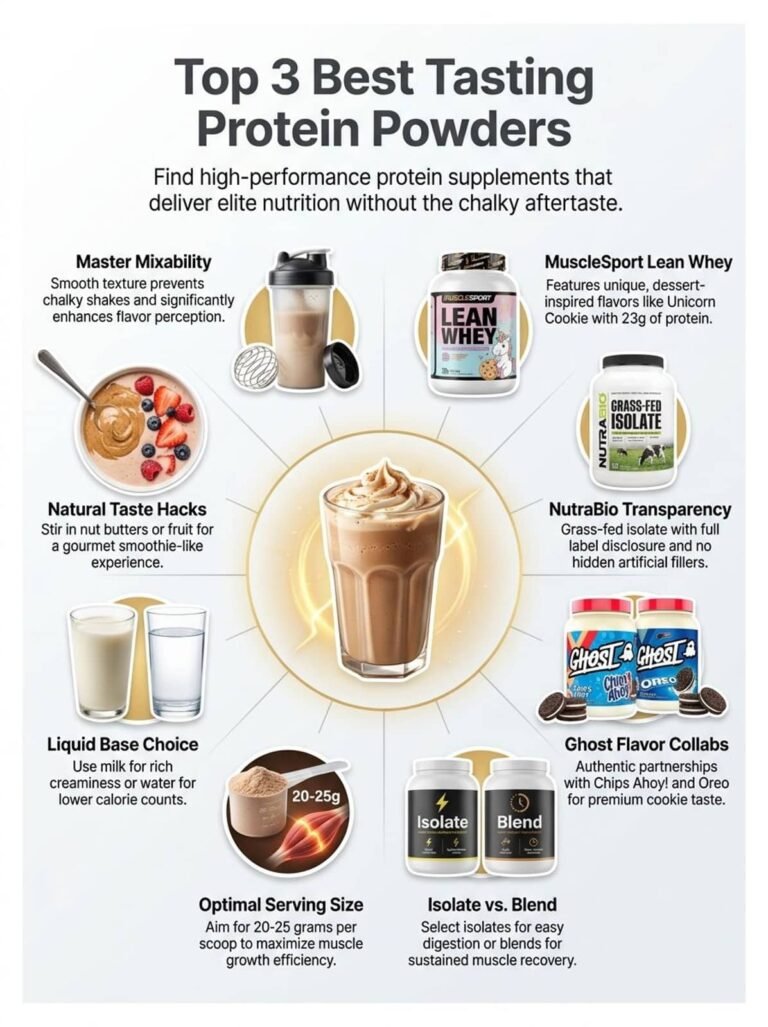
Yes, protein powder can be associated with headaches in some people, but the protein itself is not always the cause. Caffeine, added ingredients, food sensitivities, dehydration, and skipped meals may contribute.
If you use protein powder after a workout, during breakfast, or as a quick meal between work and errands, a headache afterward can be frustrating. Many Americans use whey, casein, soy, or plant-based protein supplements to help meet their daily protein needs. However, a new headache after drinking a shake can raise questions about the product and its ingredients.
The first thing to understand is that protein powder does not affect everyone in the same way. Some products contain caffeine, added vitamins, sweeteners, flavoring agents, or other ingredients that may not agree with certain people. A large shake can also replace a meal without providing enough fluids or other nutrients.
The timing of a headache matters, but it does not prove that a supplement caused it. Headaches have many possible causes, including migraine, stress, poor sleep, dehydration, and changes in caffeine intake. Looking at the full ingredient list and your daily routine can help narrow down the cause.
This guide explains the possible links between protein powder and headaches, how to identify a product-related problem, and what changes may help. It also covers warning signs that need medical attention and when to speak with a healthcare professional.
Source: storage.googleapis.com
Can Protein Powder Actually Cause Headaches?
Yes, protein powder can be linked to headaches in certain situations. However, there is no good reason to assume that ordinary protein intake directly causes headaches in everyone. The source of the protein, the added ingredients, the amount consumed, and a person’s health can all affect the experience.
For example, someone may drink a flavored protein shake and develop a headache later. The shake may contain added caffeine or another ingredient that acts as a personal trigger. The headache could also be related to a missed meal, an intense workout, or a separate condition that happened at the same time.
This difference matters because removing all protein from your diet is rarely a sensible first step. Protein supports muscle repair, tissue growth, and many normal body functions. The better approach is to find out whether a particular product or habit is contributing to the problem.
A headache that occurs once after a shake does not establish a cause. A repeated pattern deserves closer attention, especially if the pain begins after the same product and improves when you stop using it.
Source: healthfulcommunications.com
The protein source
Whey, casein, soy, pea, and other protein sources have different properties. A person may tolerate one source better than another.
Added ingredients
Flavorings, caffeine, sweeteners, herbal ingredients, and added nutrients may be relevant when investigating a reaction.
Daily habits
Exercise, fluid intake, sleep, meals, and regular caffeine use can influence headache risk.
Is Protein Itself the Main Problem?
For most healthy adults, protein from ordinary foods and properly used supplements is not known to be a common direct headache trigger. There is also no established rule that a higher protein intake automatically causes head pain.
The distinction between protein and the rest of the formula is important. A flavored powder can contain several ingredients besides protein, so blaming the protein alone may lead to the wrong solution.
If you repeatedly experience headaches after using a supplement, discuss the pattern with a healthcare professional rather than assuming that all protein products will cause the same reaction.
Practical point
Investigate the complete product formula and your routine before making major changes to your overall protein intake.
Common Reasons Protein Powder May Be Linked to Headaches
Several factors may explain why someone develops a headache after drinking a protein shake. Some involve the product itself, while others involve the circumstances in which the person consumes it.
The most useful first step is to examine the ingredient label. Then consider whether the headache occurs only after a certain flavor, brand, serving size, or type of workout.
Source: storage.googleapis.com
1. Caffeine in Protein and Fitness Blends
Some protein products are combined with pre-workout ingredients, coffee extracts, green tea extracts, or other sources of caffeine. These products are different from a basic protein powder because they may provide both protein and stimulant ingredients.
Caffeine can affect headaches in more than one way. It may provide short-term headache relief for some people, but too much caffeine can cause headaches, and regular use followed by a sudden reduction can lead to withdrawal headaches.
The American Migraine Foundation identifies caffeine as a possible migraine trigger for some people. Individual responses vary, so a serving that causes no problem for one person may affect another.
Check the label for caffeine, coffee extract, green tea extract, guarana, and other stimulant ingredients. Also count caffeine from coffee, tea, energy drinks, soda, and some medications.
What to check
Look for the amount of caffeine per serving and compare it with your total daily intake.
What may help
Consider a simple protein powder without added stimulants if caffeine appears to be a possible trigger. Reduce regular caffeine intake gradually rather than stopping suddenly if you consume it every day.
2. Artificial Sweeteners and Sugar Alcohols
Some protein powders use artificial sweeteners or sugar alcohols to improve taste without adding much sugar. Examples include sucralose, aspartame, erythritol, and other sweetening ingredients.
Some people report headaches after consuming particular sweeteners. Certain sweeteners, including aspartame, are also reported as possible migraine triggers by some people. However, this does not mean every sweetener causes headaches or that all users need to avoid them.
Sugar alcohols may also cause bloating, gas, or diarrhea in some people. Digestive discomfort can make a person feel unwell, although it does not prove that the sweetener directly caused a headache.
If symptoms occur after a flavored powder, compare its ingredient list with an unflavored product. A simpler formula may help you identify whether a specific additive is involved.
Possible ingredients to review
Aspartame, sucralose, erythritol, sorbitol, and other sweeteners listed on the package.
Important limitation
A reaction to one sweetener does not establish that all artificial sweeteners or protein powders will cause the same problem.
3. Food Sensitivities and Milk Ingredients
Whey and casein come from milk. Some protein powders also contain milk solids, lactose, or other dairy ingredients. People with lactose intolerance may develop digestive symptoms after consuming products that contain lactose.
The National Institute of Diabetes and Digestive and Kidney Diseases lists milk-based protein powders and bars among products that may contain lactose. Common symptoms of lactose intolerance include gas, bloating, nausea, diarrhea, and abdominal discomfort.
Lactose intolerance is not the same as a milk allergy. A milk allergy involves an immune response and can cause symptoms such as hives, swelling, breathing problems, or other allergic reactions. A severe allergic reaction requires emergency care.
Headaches are not the defining symptom of lactose intolerance. However, if a shake causes digestive problems and a headache around the same time, the complete reaction deserves attention. A healthcare professional can help determine whether dairy, lactose, or another ingredient is involved.
Whey concentrate
This form can contain more lactose than whey isolate, although the exact amount varies by product.
Whey isolate
It generally contains less lactose than whey concentrate, but it should not automatically be considered completely lactose-free.
Plant protein
Pea, rice, and soy protein may be alternatives for some people, but their other ingredients still need to be checked.
4. Dehydration After Exercise
A protein shake may be part of a post-workout routine, but it does not replace the fluids lost through sweating. If you exercise in hot weather, train for a long time, or do not drink enough water, dehydration may contribute to a headache.
This is especially relevant for people who exercise in warm American climates or train in indoor gyms without replacing lost fluids. The shake may simply be consumed at the same time that dehydration-related symptoms begin.
Protein powder does not automatically cause dehydration. The more useful question is whether your total fluid intake matches your activity, environment, and individual needs.
Drink water regularly throughout the day and pay attention to thirst, urine color, exercise duration, and sweating. People with medical conditions that require fluid restrictions should follow their clinician’s advice instead of increasing water intake without guidance.
Possible warning signs
Thirst, dark urine, dry mouth, fatigue, dizziness, and reduced urination may suggest inadequate fluid intake.
Useful habit
Drink water before and after exercise and replace fluids during longer or hotter workouts as appropriate.
5. Skipping Meals or Replacing Food With a Shake
A protein shake is not always a complete meal. Many powders provide protein but contain limited amounts of carbohydrates, fats, fiber, vitamins, and minerals.
If you replace breakfast or lunch with a small shake and then go several hours without eating, hunger and long gaps between meals may contribute to a headache. People who are prone to migraine may be especially sensitive to irregular meals.
The American Migraine Foundation recommends regular meals and adequate hydration as part of migraine lifestyle management. This supports a consistent eating routine rather than relying on a protein drink as the only source of nutrition.
If you use protein powder as a snack, pair it with a balanced meal or snack when appropriate. Fruit, oats, yogurt, or other foods can provide nutrients that a basic protein powder may not contain.
A balanced snack
A protein shake with a banana and oats can provide more than protein alone.
A meal replacement
Check whether the product is designed and labeled as a meal replacement rather than assuming a regular protein powder provides complete nutrition.
6. Large Servings and Digestive Discomfort
Using more powder than the label recommends does not guarantee better results. A very large shake can be difficult for some people to tolerate, particularly when it contains several ingredients that affect digestion.
Digestive discomfort may include bloating, nausea, gas, and abdominal pain. These symptoms can occur with lactose intolerance or sensitivity to other ingredients.
There is no established serving size that prevents headaches for every person. Follow the product directions and consider whether the serving size, rather than the protein source itself, is contributing to your symptoms.
Start with the labeled serving
Avoid taking several scoops at once unless a qualified professional has advised a different amount.
Review your total intake
Count protein from meals, snacks, drinks, and supplements rather than looking at the powder alone.
Can Different Types of Protein Powder Cause Headaches?
Different protein powders have different sources and ingredient profiles. Switching protein types may help if a particular ingredient does not agree with you, but no type is guaranteed to prevent headaches.
The following table compares common protein sources and the main issues worth checking. These are practical considerations, not proof that any particular protein type causes headaches.
Source: storage.googleapis.com
Whey protein
A milk-derived protein that may contain lactose, depending on the form and processing.
Casein protein
Another milk-derived protein. Check for dairy-related ingredients and individual tolerance.
Soy protein
A plant-based option. People with soy allergies should avoid products containing soy.
Pea protein
A plant-based option that may suit some people who avoid dairy, although added ingredients still matter.
Rice protein
A plant-based source that is often used in dairy-free blends. Check the full formula and serving size.
Hemp protein
A plant-based source that may contain fiber and other naturally occurring nutrients. Individual tolerance varies.
Is Whey Protein More Likely to Cause Headaches?
Whey protein is not established as a direct headache trigger for most people. However, whey products may contain lactose or other ingredients that can cause problems for people with particular sensitivities.
Whey concentrate and whey isolate differ in their composition. Isolate generally contains less lactose, but the exact amount depends on the product. People with a milk allergy should not assume that whey isolate is safe simply because it contains less lactose.
If you experience repeated symptoms after whey shakes, review the ingredient list and discuss possible dairy-related reactions with a healthcare professional.
Useful distinction
Lactose intolerance involves difficulty digesting lactose, while milk allergy involves an immune reaction to milk proteins.
Can Plant-Based Protein Powder Cause Headaches?
Yes, a plant-based protein powder may also be associated with headaches in some users. Being dairy-free does not mean that a product is free from all possible triggers.
A plant-based blend may contain soy, pea, rice, hemp, flavorings, sweeteners, added caffeine, or other ingredients. A person who reacts to a particular ingredient may still experience symptoms even when the product contains no whey or casein.
Read the full label instead of choosing a product based only on the words plant-based or vegan. A short ingredient list can make it easier to identify possible problem ingredients.
What to consider
Check the protein source, allergen statement, sweeteners, flavorings, and any added stimulant ingredients.
How to Tell Whether Protein Powder Is Causing Your Headaches
The best way to investigate a suspected connection is to look for a consistent pattern while considering other causes. A headache that follows a shake may be related to an ingredient, but timing alone cannot prove the connection.
Start with the simplest checks. Review the product label, consider your fluid and food intake, and record when the symptoms begin. If the headaches are severe, frequent, or unusual, seek medical advice rather than relying on a home experiment.
Source: storage.googleapis.com
Step 1: Record the Timing
Write down when you drink the shake and when the headache begins. Also record how long the pain lasts, where you feel it, and whether you experience nausea, dizziness, or sensitivity to light.
Note whether the headache occurs after every serving or only after a particular flavor, brand, or workout. This information can help a healthcare professional assess the possible connection.
Record
The product name, serving size, time consumed, headache onset, symptoms, and duration.
Step 2: Read the Entire Product Label
Do not focus only on the protein amount printed on the front of the container. Read the Supplement Facts panel and the Other Ingredients list.
Look for caffeine, coffee extracts, green tea extracts, artificial sweeteners, sugar alcohols, dairy ingredients, and added vitamins or herbal ingredients. Also check whether the product contains ingredients you already know you cannot tolerate.
In the United States, dietary supplement labels must provide information about dietary ingredients and other ingredients. The FDA does not approve dietary supplements for safety and effectiveness before they reach the market, so careful label review is important.
Important label sections
Supplement Facts, serving size, ingredient amounts, Other Ingredients, allergen information, and manufacturer contact details.
Step 3: Review Food, Water, and Caffeine Intake
Consider whether you drank enough water, ate regular meals, slept well, and consumed your usual amount of caffeine. These factors may influence headaches even when a protein powder is not responsible.
For example, someone who skips breakfast, drinks a large coffee, completes a hard workout, and then has a protein shake may have several possible headache triggers. Changing only the protein powder may not solve the underlying issue.
If you suspect a product is causing a headache, stop using it for now and monitor what happens. You do not need to keep taking something that appears to make you unwell.
If symptoms improve after stopping the product, that may support a possible connection, but it does not prove which ingredient was responsible. Headaches can improve for other reasons too.
Do not deliberately take the product again to test a reaction if you have experienced an allergic reaction, severe symptoms, or a serious medical problem. Discuss the next step with a healthcare professional.
Safety first
Avoid deliberate re-exposure when an allergy or serious reaction is possible.
Step 5: Discuss Repeated Symptoms With a Professional
If headaches keep returning, bring your product container or a clear photo of the full label to a healthcare professional. A doctor or registered dietitian can help assess the ingredients, your symptoms, and your nutritional needs.
They may consider other causes, such as migraine, medication effects, blood pressure changes, or an unrelated health condition. This is important because not every headache after a shake comes from the supplement.
Bring useful information
The product label, symptom diary, medication list, medical history, and details about your meals and workouts.
How to Reduce the Risk of Headaches When Using Protein Powder
You may be able to reduce possible product-related problems by choosing a simpler formula and improving your eating and drinking habits. The goal is not to avoid protein but to identify what your body tolerates.
A few practical changes can make your routine easier to manage. Introduce changes carefully so you can understand which ones actually help.
Source: storage.googleapis.com
Choose a simple formula
Consider a protein powder with a short ingredient list and without added stimulants if those ingredients may be contributing to symptoms.
Follow the serving directions
Use the labeled serving size and avoid adding extra scoops without a clear nutritional reason.
Drink enough fluids
Maintain regular fluid intake, especially when exercising or sweating heavily.
Eat regular meals
Do not rely on a basic protein shake as your only source of nutrition when you need a balanced meal.
Watch caffeine intake
Count caffeine from all sources and avoid sudden changes if you consume it regularly.
Check allergens
Review milk, soy, and other allergen information before choosing a product.
Does Unflavored Protein Powder Help?
Unflavored protein powder may help simplify the ingredient list. Some unflavored products contain fewer sweeteners and flavoring agents than flavored versions.
However, unflavored does not automatically mean additive-free, caffeine-free, or allergen-free. Some products still contain emulsifiers, processing aids, or other ingredients.
Compare the full labels before switching. If a specific ingredient appears to be the problem, avoiding that ingredient may be more useful than simply choosing an unflavored product.
Best approach
Choose based on the full ingredient list and your known sensitivities rather than the unflavored label alone.
Can Changing the Protein Source Help?
Changing the protein source may help if your symptoms are related to an ingredient in your current product. For example, someone who cannot tolerate lactose may prefer a suitable non-dairy protein option.
However, switching from whey to pea protein will not necessarily solve a headache caused by caffeine, irregular meals, dehydration, or migraine. The cause should guide the change.
People with food allergies should check manufacturing and allergen statements carefully. A plant-based label does not guarantee that a product is free from cross-contact with other allergens.
Compare carefully
Check the protein source, allergens, sweeteners, stimulants, serving size, and nutritional content.
When Should You Stop Taking Protein Powder?
Stop using a suspected protein supplement if you repeatedly develop headaches or other unwanted symptoms after taking it. You do not need to finish the container before addressing a possible reaction.
A mild headache that resolves may not require emergency treatment, but repeated or worsening symptoms deserve medical assessment. The right response depends on the severity of the headache and any other symptoms.
If you develop signs of a possible allergic reaction, stop consuming the product. Swelling of the tongue or throat, trouble breathing, faintness, or other signs of a severe allergic reaction require immediate emergency care.
Source: storage.googleapis.com
Stop and seek advice
Repeated headaches, persistent nausea, ongoing digestive problems, or symptoms that return after the same product.
Seek emergency help
Breathing difficulty, throat or tongue swelling, fainting, or other signs of a severe allergic reaction.
Do not self-diagnose
A headache can have causes unrelated to supplements, including migraine and other medical conditions.
Headache Warning Signs That Need Urgent Care
A sudden, extremely painful headache needs emergency medical attention, especially if it feels like the worst headache of your life. Do not assume that a severe headache is simply a side effect of protein powder.
Mayo Clinic advises emergency care when a headache occurs with symptoms such as confusion, fainting, high fever, stiff neck, weakness, numbness, vision problems, or difficulty speaking or walking.
If a headache is new, unusually severe, keeps getting worse, or interferes with normal activities, arrange medical evaluation. Seek urgent help when serious warning signs appear.
Emergency symptoms
Sudden severe pain, one-sided weakness, confusion, fainting, seizures, stiff neck with fever, or difficulty speaking or seeing.
Prompt medical assessment
Headaches that become more frequent, worsen over time, or do not improve with appropriate care.
Does Protein Powder Cause Headaches in Everyone?
No. Most people do not need to avoid protein powder simply because headaches are possible in some users. A person’s response depends on the product, ingredients, health history, and daily habits.
Some people can use whey protein without problems, while others prefer plant-based options. A person who gets headaches from one flavored product may tolerate another product with a different ingredient profile.
There is also an important difference between a reported reaction and a proven cause. People may notice headaches after a supplement, but that observation alone cannot establish which ingredient caused the pain.
The FDA monitors reports of problems associated with dietary supplements and can take action when products violate applicable requirements. However, dietary supplements are not approved by the FDA for safety and effectiveness before marketing. Consumers should review labels and report suspected serious problems.
Source: healthfulcommunications.com
Individual tolerance
Different people may respond differently to the same ingredients.
Product quality
Choose products with clear ingredient information and reliable manufacturing details.
Medical history
People with migraines, allergies, digestive conditions, or other health concerns may need individual guidance.
Should You Report a Suspected Supplement Reaction?
If you believe a dietary supplement caused a serious health problem, contact a healthcare professional and consider reporting the event through the FDA Safety Reporting Portal.
Keep the product packaging, lot number, expiration date, receipt, and ingredient label. These details can help identify the exact product involved.
A report does not prove that the supplement caused the reaction. It helps regulators collect information about possible product safety problems.
Keep the package
Save the product name, manufacturer details, lot number, expiration date, and full ingredient list.
Frequently Asked Questions
Q
Can whey protein cause migraines?
Whey protein is not an established direct migraine trigger for most people. However, a whey-based product may contain lactose, sweeteners, flavorings, or other ingredients that a particular person does not tolerate.
Caffeine in a combined fitness product may also affect people who are sensitive to it. If migraines repeatedly occur after a particular shake, stop the suspected product and discuss the pattern with a healthcare professional.
Q
Can drinking too much protein powder cause headaches?
There is no established rule that consuming a large amount of protein powder directly causes headaches. However, excessive servings may cause digestive discomfort, and replacing meals with shakes may lead to an unbalanced eating pattern.
Use the serving directions and consider your total protein intake from food and supplements. A healthcare professional or registered dietitian can help determine an appropriate intake for your needs.
Q
Can protein powder cause headaches and dizziness?
Headaches and dizziness can occur together for many reasons, including dehydration, migraine, illness, medication effects, or changes in blood pressure. A protein shake may be associated with the symptoms, but it is not possible to identify the cause from timing alone.
Stop a suspected product and seek medical advice if the symptoms continue. Severe dizziness, fainting, weakness, confusion, or difficulty walking needs urgent medical assessment.
Q
Can lactose in whey protein cause headaches?
Lactose intolerance mainly causes digestive symptoms such as bloating, gas, diarrhea, nausea, and abdominal discomfort. Some people also report headaches in connection with dairy consumption, but headaches are not a defining symptom of lactose intolerance.
If you suspect a connection, discuss testing and suitable dietary changes with a healthcare professional. Remember that whey isolate generally contains less lactose than whey concentrate but is not necessarily completely lactose-free.
Q
How long after drinking protein powder can a headache start?
There is no single time frame because the cause can vary. A headache may begin relatively soon after consuming a product or much later, depending on the possible trigger and other factors.
Record the time you drink the shake, when symptoms begin, and how long they last. A symptom diary is more useful than assuming that a particular time delay proves the supplement caused the headache.
Q
Should I stop protein powder if I get a headache?
If you suspect that a particular protein powder is causing headaches, stop using that product while you assess the situation. Check the ingredients and consider other factors such as caffeine, skipped meals, dehydration, and exercise.
If headaches keep returning or become severe, speak with a healthcare professional. Do not deliberately restart a product to test it if you have experienced an allergic reaction or serious symptoms.
Q
Is plant-based protein powder better for people who get headaches?
Plant-based protein may be useful for someone who needs to avoid dairy or lactose, but it is not automatically better for preventing headaches. Plant powders can contain sweeteners, flavorings, soy, and other ingredients that may not suit every person.
Choose based on your individual needs and the complete ingredient list. If you have a known food allergy, check the allergen information and ask a healthcare professional about safe alternatives.
✦ Wrapping Up
Conclusion
Protein powder can be associated with headaches in some people, but the protein itself is not always the reason. Caffeine, added sweeteners, dairy-related sensitivities, dehydration, large servings, and missed meals are all possible factors worth investigating.
If you notice a headache after drinking a shake, begin by checking the complete ingredient list and reviewing your daily routine. Record your symptoms, stop a suspected product, and seek professional guidance if the problem continues. Avoid testing a product again if you have experienced a possible allergic or serious reaction.
You do not need to give up all protein supplements just because one product may not suit you. Finding the actual cause can help you make a safer choice while maintaining a balanced diet. Always seek urgent medical care for a sudden severe headache or one accompanied by serious neurological or allergic symptoms.
💡 Key Takeaway
Check your protein powder’s Supplement Facts and Other Ingredients panels, review your caffeine and fluid intake, and keep a headache diary. Stop any suspected product that causes repeated symptoms and consult a healthcare professional before making major dietary changes.
Are Barebells protein bars healthy? Explore their protein, calories, sweeteners, ingredients, benefits, and potential drawbacks before choosing a snack.