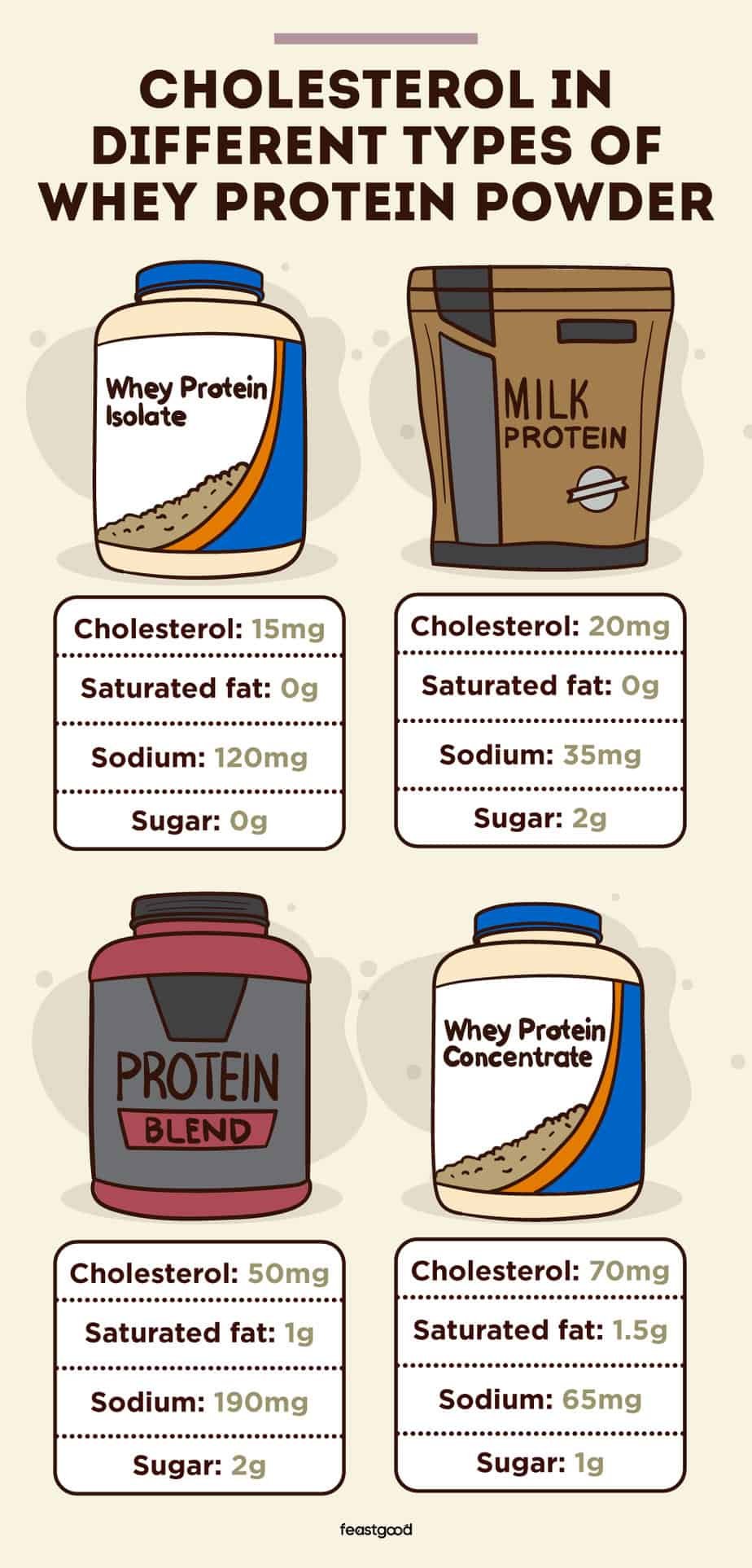
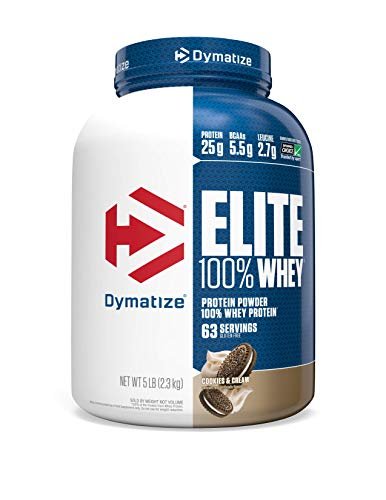
Cholesterol in protein powder is not automatically bad. The amount, type of protein, saturated fat content, and your overall diet matter more than one label number.
If you shop for protein powder at Walmart, Costco, Target, or an American grocery store, you may notice that some products list cholesterol on their Nutrition Facts panels. This is common with certain dairy-based powders, especially whey protein concentrate. Seeing cholesterol in a supplement can raise questions, particularly if you already watch your heart health or have been told that your blood cholesterol is high.
The good news is that a small amount of dietary cholesterol in protein powder does not automatically make the product unhealthy. Your body uses cholesterol for important jobs, including making hormones and building cell membranes. What matters is how much you consume, what other nutrients come with it, and how your overall eating habits affect your blood lipid levels.
The type of protein also makes a difference. Whey and casein come from milk, while soy, pea, rice, and other plant proteins come from plant sources. These products can have very different cholesterol and saturated fat levels. Reading the full label gives you a much clearer picture than looking at cholesterol alone.
This guide explains why protein powder contains cholesterol, whether it can affect LDL levels, how whey compares with plant protein, and what to look for when choosing a product. It also covers practical label examples and special considerations for people who already have high cholesterol.
Source: cdn.prod.website-files.com
Is Cholesterol in Protein Powder Bad for Your Health?
No, cholesterol in protein powder is not automatically bad for your health. A product that contains a few milligrams of dietary cholesterol can still fit into a balanced eating plan. The more useful question is how much cholesterol and saturated fat you get from the product and your other daily foods.
Dietary cholesterol is the cholesterol found in foods and drinks. Blood cholesterol is the cholesterol carried through your bloodstream in particles called lipoproteins. These are related, but they are not the same thing. Eating a food that contains cholesterol does not mean that the same amount will appear in your blood.
Your liver makes much of the cholesterol your body needs. It also helps control cholesterol levels by changing how much it produces and removes. However, this process differs from person to person, so some people may respond more strongly to dietary changes than others.
The American Heart Association’s 2026 dietary guidance places greater emphasis on overall eating patterns than on dietary cholesterol alone for most people. It highlights healthy protein sources, fiber-rich foods, and replacing saturated fats with unsaturated fats. This means that judging a protein powder by its cholesterol number alone can give you an incomplete answer.
Source: asbmb.org
A small amount is not an automatic problem
A protein powder with a modest cholesterol amount may fit into a heart-healthy diet, depending on the rest of your food choices and personal health needs.
Your total diet matters
Eggs, meat, dairy products, butter, processed foods, and other dietary sources all contribute to your overall nutrition pattern.
Saturated fat deserves attention
High saturated fat intake can raise LDL cholesterol. Check this value alongside dietary cholesterol when comparing protein powders.
Individual responses differ
Genetics, health conditions, medications, and eating habits can affect blood cholesterol levels and responses to dietary changes.
What Is the Difference Between Dietary and Blood Cholesterol?
Dietary cholesterol comes from foods, mainly animal-based foods. It may appear on a protein powder label when the product contains milk-derived ingredients. Plant foods do not naturally contain dietary cholesterol.
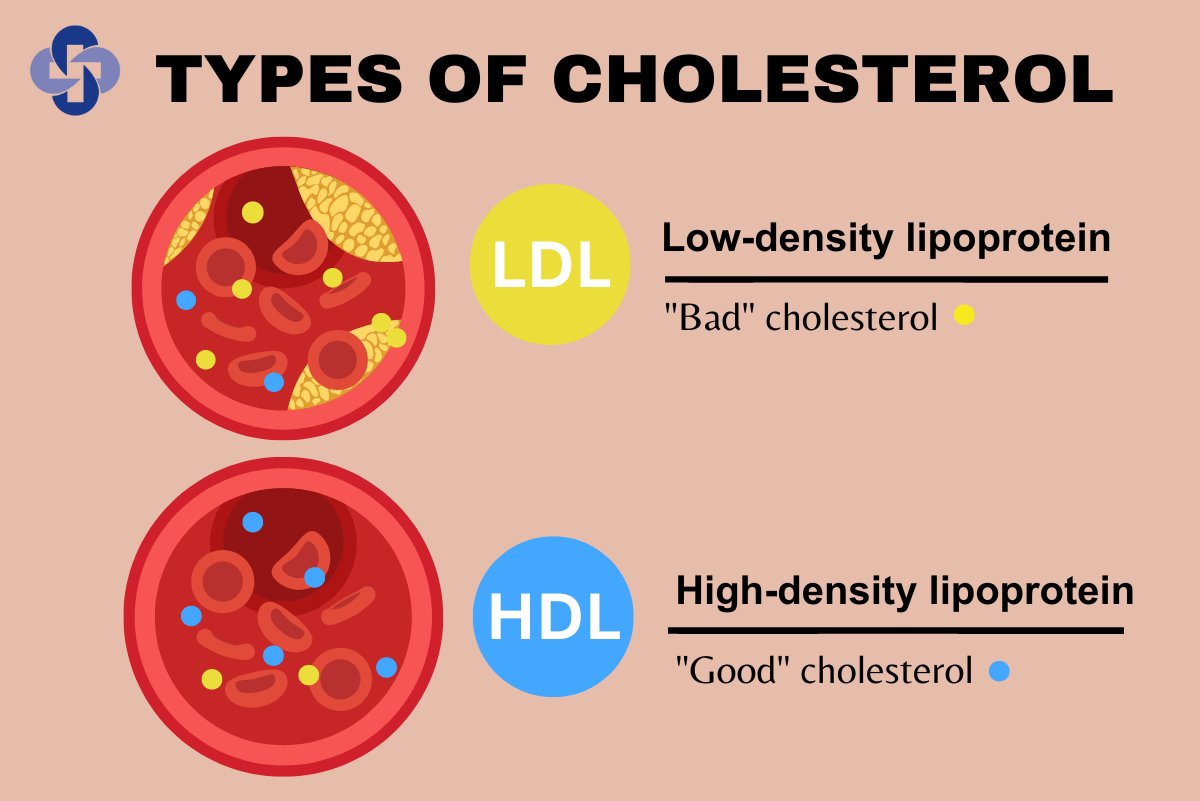
Blood cholesterol is a fatty substance transported through your bloodstream. LDL, or low-density lipoprotein, carries cholesterol and can contribute to plaque buildup in artery walls when levels remain high. HDL, or high-density lipoprotein, helps carry cholesterol back toward the liver.
A food’s cholesterol content does not directly predict its effect on your LDL level. Saturated fat intake, genetics, and the foods replacing other foods in your diet also matter. This is why a protein powder with some cholesterol may be a reasonable choice while a product with more saturated fat may deserve closer attention.
LDL cholesterol
Often called bad cholesterol, higher LDL levels are linked with a greater risk of cardiovascular disease.
HDL cholesterol
Often called good cholesterol, HDL helps transport cholesterol away from tissues. A higher HDL number does not cancel out the risks of high LDL.
Triglycerides
These are another type of blood fat. They are not cholesterol, but high levels can also contribute to cardiovascular risk.
Does a Little Cholesterol in a Supplement Matter?
For many healthy adults, a small amount of cholesterol in one serving of protein powder is unlikely to be the main factor affecting heart health. Consider the rest of your meals before deciding that a product is unsuitable.
For example, a person who eats mostly vegetables, whole grains, legumes, nuts, and lean protein may have a different overall dietary pattern from someone who regularly eats high-fat dairy, fatty meats, and processed foods. The same protein powder can fit differently into these two eating patterns.
However, if a healthcare professional has given you specific dietary instructions because of high LDL, familial hypercholesterolemia, or cardiovascular disease, follow those instructions rather than relying on general advice.
Why Does Protein Powder Contain Cholesterol?
Some protein powders contain cholesterol because their protein comes from animal-based foods, especially milk. Whey and casein are both milk proteins. During processing, manufacturers separate these proteins from other milk components, but the final amount of cholesterol and fat can vary.
Whey protein concentrate generally retains more milk components than whey protein isolate. Depending on the manufacturing process, concentrate may contain more fat and cholesterol. Isolate undergoes additional processing to increase the protein concentration and reduce much of the fat and lactose.
This does not mean every concentrate has more cholesterol than every isolate. Formulas differ, and serving sizes are not always the same. The Nutrition Facts label is the best place to check the actual amount in a particular product.
Plant-based protein powders are different. Soy, pea, rice, hemp, and other plant proteins naturally contain no dietary cholesterol. However, added ingredients can affect the product’s overall fat, sugar, and calorie content.
Source: stmaryshealthcaresystem.org
Whey protein concentrate
Made from milk and generally contains more non-protein milk components than isolate. It may have more fat, lactose, and cholesterol, depending on the formula.
Whey protein isolate
Processed to provide a higher percentage of protein. It often contains less fat and cholesterol than concentrate, but the exact amount depends on the product.
Casein protein
Another milk-derived protein. It may contain dietary cholesterol, with the amount depending on processing and added ingredients.
Plant protein
Soy, pea, rice, and similar proteins naturally contain zero dietary cholesterol when made from plant-only ingredients.
Blended protein
A blend may combine whey, casein, egg, soy, or other sources. Its cholesterol content depends on the ingredients used.
Does Whey Protein Naturally Have Cholesterol?
Yes, whey protein can contain cholesterol because whey comes from milk. Milk naturally contains fat and cholesterol, although processing can remove much of these components.
Whey concentrate and isolate are not identical. Concentrate usually retains more fat, while isolate is processed to remove more fat and lactose. This often makes isolate a practical option for someone who wants a dairy-based powder with less fat.
Still, do not assume that every whey isolate is cholesterol-free. Some products may contain a small amount, and other ingredients may change the nutritional profile. Check the serving size and actual label values.
Check the product formula
The terms concentrate and isolate describe processing and protein content, not a guaranteed cholesterol amount.
Compare similar servings
A 25-gram serving and a 40-gram serving cannot be compared fairly without accounting for serving size.
Do Plant-Based Protein Powders Contain Cholesterol?
Pure plant-based protein powders naturally contain no dietary cholesterol. Soy, pea, rice, and hemp are useful options for people who avoid animal products or want to reduce dietary cholesterol from supplements.
However, zero cholesterol does not automatically mean a product is ideal for heart health. Some powders contain coconut oil, added sugars, or other ingredients that change their nutritional profile.
A plain pea or soy protein powder with little saturated fat and no added sugar may be a useful choice. Check the complete ingredient list instead of relying on the front label.
Soy protein
A complete plant protein that provides all nine essential amino acids.
Pea protein
A plant-based option that provides useful amounts of several essential amino acids, although its amino acid balance differs from whey.
Rice protein
A dairy-free source of protein. Its amino acid profile can be balanced with other plant proteins.
Hemp protein
Contains plant protein and may provide some fiber and fat, depending on processing.
Can Cholesterol in Protein Powder Raise Your LDL Levels?
Protein powder that contains dietary cholesterol may contribute to your total dietary intake, but its effect on LDL cholesterol is not determined by that number alone. Your overall diet, especially saturated fat intake, plays an important role.
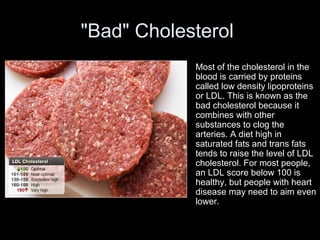
Saturated fat can increase LDL cholesterol. It is found in foods such as butter, fatty meats, full-fat dairy, coconut oil, and palm oil. A protein powder that contains both cholesterol and substantial saturated fat deserves more attention than a product with a small cholesterol amount and very little saturated fat.
The American Heart Association recommends choosing sources of unsaturated fats instead of saturated fats as part of a heart-healthy eating pattern. Its 2026 dietary guidance also emphasizes vegetables, fruits, whole grains, healthy protein sources, and minimally processed foods.
This distinction is useful when comparing supplements. A dairy-based powder with a small amount of cholesterol and low saturated fat may fit into an otherwise balanced diet. A heavily sweetened powder with more saturated fat may be less suitable for someone trying to improve their blood lipid profile.
Source: medshun.com
Look at saturated fat
This nutrient can have a meaningful effect on LDL levels. Compare the amount per serving and consider how it fits into your daily intake.
Consider your full diet
A protein shake is only one part of your daily food intake. Other meals and snacks also affect your overall nutritional pattern.
Check added ingredients
Sugars, fats, and flavoring ingredients can change the nutritional value of a powder.
Do not expect a supplement to treat high cholesterol
Protein powder is designed to provide protein. It should not replace prescribed cholesterol medication or an appropriate treatment plan.
Why Saturated Fat May Matter More Than a Small Cholesterol Amount
Imagine two protein powders. The first contains a small amount of cholesterol but almost no saturated fat. The second contains no cholesterol but has a larger amount of saturated fat because of its added ingredients.
The second product is not automatically the better heart-health choice. Saturated fat has a well-established effect on LDL cholesterol, especially when it replaces unsaturated fats in the diet.
This is why a zero-cholesterol claim should not be the only reason to buy a plant-based or dairy-free protein powder. Compare saturated fat, added sugar, total calories, and serving size as well.
Can Protein Itself Improve Cholesterol?
Protein is an essential nutrient, but protein powder is not a cholesterol-lowering treatment. Some research has examined how particular protein sources, including soy and whey, may affect blood lipids. However, results can vary based on the protein source, amount, study design, and participants.
Plant-based eating patterns that include soy, beans, nuts, whole grains, and fiber can support healthier LDL levels. The benefit comes from the overall dietary pattern and food substitutions, not simply from adding a scoop of plant protein powder.
If your goal is to improve cholesterol, focus on replacing foods high in saturated fat with options rich in unsaturated fat and fiber. A protein supplement can help meet protein needs, but it should play a supporting role.
Choose fiber-rich foods
Oats, beans, lentils, fruits, and vegetables provide fiber that can support healthy blood cholesterol levels.
Use healthy fat sources
Olive oil, nuts, seeds, and avocados provide unsaturated fats that can replace saturated fat in meals.
Include suitable protein sources
Fish, legumes, soy foods, and lean proteins can support a balanced eating pattern.
How to Read Cholesterol on a Protein Powder Label
The Nutrition Facts panel is the best starting point when comparing protein powders. Look at the cholesterol amount, saturated fat, serving size, protein, added sugars, and ingredients together.
In the United States, the FDA lists 300 mg as the Daily Value for cholesterol on Nutrition Facts labels. This reference helps consumers understand how much a serving contributes to a daily diet. It should not be treated as a personalized target for every person.
The FDA also provides a general guide for interpreting percentage Daily Values. A nutrient at 5% Daily Value or less per serving is considered low, while 20% or more is considered high. These values help with comparisons, but they do not replace individual medical advice.
For example, if a protein powder contains 15 mg of cholesterol per serving, that equals 5% of the 300 mg Daily Value. If another product contains 30 mg, that equals 10%. These calculations help you compare products without assuming that either amount is automatically harmful.
Source: image7.slideserve.com
Cholesterol
Check the milligrams per serving and the percentage Daily Value. Lower amounts may be useful if you are trying to reduce dietary cholesterol.
Saturated fat
Pay close attention to this value because saturated fat can raise LDL cholesterol.
Protein
Check whether the serving provides enough protein to meet your needs without unnecessary calories or added ingredients.
Added sugars
Choose products with little or no added sugar when possible, especially if you drink protein shakes regularly.
Ingredient list
Look for the protein source, added oils, sweeteners, creamers, and other ingredients that may change the nutritional profile.
Example: How Much Cholesterol Is in a Serving?
Suppose a whey protein powder provides 25 grams of protein and 15 mg of cholesterol per serving. Using the FDA Daily Value of 300 mg, the cholesterol calculation is 15 divided by 300, multiplied by 100. The result is 5% Daily Value.
Now consider another product with 30 mg of cholesterol per serving. That equals 10% Daily Value. The second product contains twice as much cholesterol, but this does not prove that it will double your blood LDL level or double your cardiovascular risk.
The next step is to compare saturated fat and other nutrients. A product with 30 mg of cholesterol but very little saturated fat may have a different nutritional profile from a product with 15 mg of cholesterol and more saturated fat.
Hypothetical product A
15 mg cholesterol per serving, equal to 5% Daily Value.
Hypothetical product B
30 mg cholesterol per serving, equal to 10% Daily Value.
What the comparison tells you
Product B contains more dietary cholesterol, but you still need to compare saturated fat, protein, ingredients, and serving size.
What Does Zero Cholesterol Mean on a Protein Powder Label?
A zero-cholesterol label can be useful if you want to avoid dietary cholesterol. This is common with plant-based protein powders because plants do not naturally contain cholesterol.
However, zero cholesterol does not mean zero fat, zero saturated fat, or zero calories. A product can have no cholesterol and still contain coconut-derived fats, added oils, or sweeteners.
Also, check the serving size. A small serving may look better on paper but provide less protein than a larger serving of another product. Compare products based on the amount you would actually use.
Do not judge by one claim
A zero-cholesterol statement does not establish that the complete product is heart-healthy.
Compare the full panel
Review saturated fat, calories, added sugars, sodium, and protein.
Which Protein Powder Is Better for People With High Cholesterol?
If you have high LDL cholesterol, a plant-based protein powder or a low-fat dairy-based option may be worth considering. The best choice depends on your nutritional needs, food preferences, medical advice, and the product’s complete nutrition label.
Pure soy, pea, and rice protein powders naturally contain no dietary cholesterol. Many also contain little saturated fat, although the amount depends on added ingredients. These can be practical options for people who prefer dairy-free products.
Whey isolate may also be suitable for some people who want dairy protein with less fat than many whey concentrates. However, it is not automatically cholesterol-free, so compare the actual nutrition information.
You do not need to eliminate every product containing dietary cholesterol to support heart health. A more useful approach is to select a powder that provides the protein you need while keeping saturated fat and added sugars within your overall dietary goals.
Source: image.slidesharecdn.com
For people avoiding dietary cholesterol
Consider pure soy, pea, or rice protein with a simple ingredient list.
For people who prefer whey
Compare whey isolate and concentrate based on cholesterol, saturated fat, and serving size.
For people watching saturated fat
Look for products with low saturated fat and avoid formulas that rely heavily on coconut or palm fats.
For people limiting added sugar
Choose an unsweetened or lightly sweetened formula when it meets your taste and nutrition needs.
Whey Protein vs. Plant Protein for Cholesterol
Whey and plant protein differ in their natural nutrient content. Whey comes from milk and may contain dietary cholesterol. Pure plant protein comes from ingredients such as soy or peas and naturally contains none.
Whey provides all nine essential amino acids and is generally easy to use in shakes. Plant proteins also provide useful amino acids, although the amount of each amino acid varies by source. Soy is a complete protein, while some other plant proteins may have lower amounts of certain essential amino acids.
For someone focused on blood cholesterol, the key distinction is that plant proteins naturally avoid dietary cholesterol and may have little saturated fat. Still, the final formula matters more than the category name alone.
Whey protein
Useful for people who tolerate dairy and want a complete protein. Check the cholesterol and saturated fat values.
Soy protein
A complete plant protein with no naturally occurring dietary cholesterol.
Pea protein
A dairy-free protein source that naturally contains no cholesterol.
Rice and blended plant proteins
Can provide useful protein, especially when different plant sources are combined to improve the amino acid profile.
What Should You Avoid When Choosing a Protein Powder?
You do not need to avoid an entire protein category, but certain ingredients may make a product less suitable for your health goals. Pay attention to added saturated fats, large amounts of added sugar, and unnecessary high-calorie ingredients.
Some meal replacement powders and dessert-style protein blends contain creamers, oils, and other additions. These products can provide useful nutrients, but their nutritional profiles may differ greatly from plain protein powders.
If you have high cholesterol, compare at least two or three products before buying. Choose the one that meets your protein needs without adding more saturated fat or sugar than you want.
High saturated fat
Products with substantial saturated fat may make it harder to maintain a heart-healthy eating pattern.
Excess added sugar
Regularly consuming large amounts of added sugar can make an overall healthy diet harder to maintain.
Unnecessary added oils
Check whether coconut oil, palm oil, or other fats are included in the formula.
Unclear serving sizes
Compare the amount of protein and other nutrients per serving rather than relying on package claims.
Can You Drink Whey Protein Every Day if You Have High Cholesterol?
Some people with high cholesterol can include whey protein in their daily eating plan. The decision depends on the product’s nutrient profile, the amount consumed, and the person’s overall health.
A low-fat whey isolate with modest cholesterol may fit into a balanced diet for some individuals. However, drinking several servings every day can increase total calorie, cholesterol, and saturated fat intake, depending on the formula.
If you take medication for high cholesterol or have established heart disease, ask your healthcare professional or registered dietitian whether your chosen product fits your treatment and nutrition plan. Do not stop or change prescribed medication because you start using a supplement.
How to Use Protein Powder While Supporting Heart Health
You can use protein powder as part of a heart-conscious eating plan without making it the center of your diet. Start by deciding how much protein you need from all food sources, then use a supplement only to fill a practical gap.
Protein needs vary with age, body size, activity level, health, and personal goals. The general recommended dietary allowance for healthy adults is 0.8 grams of protein per kilogram of body weight per day. This is a baseline for most healthy adults, not a universal target for athletes, older adults, or people with certain medical conditions.
For example, a hypothetical healthy adult weighing 70 kilograms would have a baseline protein allowance of 56 grams per day. If meals already provide enough protein, an extra shake may not be necessary. If food intake falls short, a serving of powder may help fill the difference.
The way you prepare a shake also matters. Mixing protein powder with water or an unsweetened plant beverage can help avoid extra saturated fat and added sugar. Adding oats, berries, or ground flaxseed can provide fiber and make the shake more filling.
Source: nutricarenow.com
Use protein powder to fill a gap
Estimate the protein you get from meals before adding a supplement.
Choose heart-conscious ingredients
Use water or an unsweetened beverage, fruit, oats, and other nutrient-rich additions.
Keep servings reasonable
Follow the product’s serving guidance and avoid adding multiple scoops without a clear nutritional need.
Eat a varied diet
Include beans, lentils, vegetables, fruits, whole grains, nuts, seeds, and suitable protein sources.
A Simple Heart-Conscious Protein Shake
A homemade shake can be simple and filling. Start with one serving of a plain protein powder that fits your nutritional needs. Add unsweetened soy milk or water, a handful of berries, and a small serving of oats.
You can also add ground flaxseed for fiber and unsaturated fats. These ingredients contribute nutrients that are useful in a balanced eating pattern without requiring a complicated recipe.
Check the labels on your milk alternative and protein powder. Some flavored products contain added sugar or saturated fat, which can change the nutritional value of the finished shake.
Protein powder
One serving of a suitable plain whey, soy, or pea protein powder.
Liquid
Water or unsweetened soy milk.
Fruit
A small serving of strawberries, blueberries, or another fruit.
Fiber
A small amount of oats or ground flaxseed.
When Should You Talk to a Healthcare Professional?
If you have high LDL cholesterol, diabetes, kidney disease, or established cardiovascular disease, your protein needs and dietary limits may differ from general recommendations. A registered dietitian can help you choose an appropriate product and fit it into your meal plan.
People with chronic kidney disease may need individualized protein guidance. More protein is not always better, and some kidney conditions require adjustments based on kidney function and treatment status.
You should also seek medical guidance if your cholesterol levels remain high despite dietary changes. A healthcare professional can review your lipid panel, family history, other risk factors, and whether medication is appropriate.
High LDL cholesterol
Ask how your chosen powder fits into your personal cholesterol-lowering plan.
Familial hypercholesterolemia
This inherited condition can cause very high LDL levels and often requires medical treatment in addition to dietary changes.
Kidney disease
Discuss daily protein needs before regularly using concentrated protein supplements.
Medication use
Ask a pharmacist or healthcare professional about supplement ingredients and possible interactions when relevant.
Frequently Asked Questions
Q
Is 10 mg of cholesterol in protein powder bad?
No, 10 mg of dietary cholesterol in one serving is not automatically bad. It represents about 3.3% of the FDA’s 300 mg Daily Value. For most people, this is a modest amount that can fit into a balanced diet.
However, check saturated fat and other ingredients too. If you have high LDL cholesterol or specific dietary instructions, consider your healthcare professional’s advice.
Q
Does whey protein increase LDL cholesterol?
Whey protein does not automatically increase LDL cholesterol. Its effect depends on the product’s nutritional profile and the person’s overall diet and health.
Whey concentrate may contain more fat than whey isolate, although formulas vary. If you are concerned about LDL, compare saturated fat and cholesterol on the label rather than assuming every whey product has the same effect.
Q
Which protein powder has no cholesterol?
Pure plant-based protein powders made from soy, pea, rice, or hemp naturally contain no dietary cholesterol. This is because plants do not produce cholesterol in the same way animal tissues do.
Check the ingredient list to make sure the product does not contain animal-derived additions. Also compare saturated fat, added sugar, and calories because zero cholesterol alone does not establish overall nutritional quality.
Q
Is whey protein isolate better than concentrate for high cholesterol?
Whey protein isolate often contains less fat and cholesterol than whey concentrate because it undergoes additional processing. This can make it a useful option for someone who prefers dairy protein but wants to limit these nutrients.
However, the difference depends on the brand and formula. Compare the actual Nutrition Facts panels before choosing. Neither type should be treated as a cholesterol-lowering treatment.
Q
Can I take protein powder if I already have high cholesterol?
Many people with high cholesterol can use protein powder, but the best product depends on their individual dietary needs and health conditions. A plain plant protein or a low-fat whey product may be worth considering.
Choose a product with a suitable amount of protein, modest saturated fat, and little added sugar. If you have heart disease, familial hypercholesterolemia, or other medical conditions, ask your healthcare professional or registered dietitian for personalized advice.
Q
Does plant protein help lower cholesterol?
Plant protein can be part of an eating pattern that supports healthy LDL cholesterol levels. Soy foods, beans, lentils, nuts, and other plant foods provide nutrients that can support cardiovascular health.
However, a plant protein powder by itself is not a proven treatment for high cholesterol. The benefits are more closely linked to the overall eating pattern and replacing foods high in saturated fat with healthier alternatives.
Q
Should I avoid all dietary cholesterol if I have high LDL?
Not necessarily. Current American Heart Association guidance emphasizes overall dietary patterns and limiting saturated fat rather than treating dietary cholesterol as the main target for most people.
People with certain conditions may still need individualized dietary guidance. Focus on the recommendations in your treatment plan and discuss major dietary changes with your healthcare professional.
✦ Wrapping Up
Conclusion
So, is cholesterol in protein powder bad? Not necessarily. A protein powder containing a small amount of dietary cholesterol can fit into a balanced eating plan. The amount of cholesterol alone does not tell you whether a product will raise your LDL or harm your heart.
The source of protein, saturated fat content, serving size, added sugars, and your overall eating habits all matter. Whey and casein may contain dietary cholesterol because they come from milk, while pure plant-based powders naturally contain none. Neither category is automatically the best choice for every person.
If you are watching your cholesterol, compare the full Nutrition Facts panel before buying. Look for a protein powder that meets your needs without adding unnecessary saturated fat or sugar. Remember that whole foods such as beans, lentils, fish, nuts, and vegetables remain valuable parts of a heart-conscious diet.
If you already have high LDL cholesterol or a cardiovascular condition, use your healthcare professional’s guidance when choosing supplements. Protein powder can help you meet your protein needs, but it should not replace prescribed medication, medical care, or a balanced diet.
💡 Key Takeaway
Before buying your next protein powder, compare three things: cholesterol per serving, saturated fat per serving, and added sugar. Choose a product that fits your personal health needs, and remember that the overall quality of your diet matters more than one number on a supplement label.