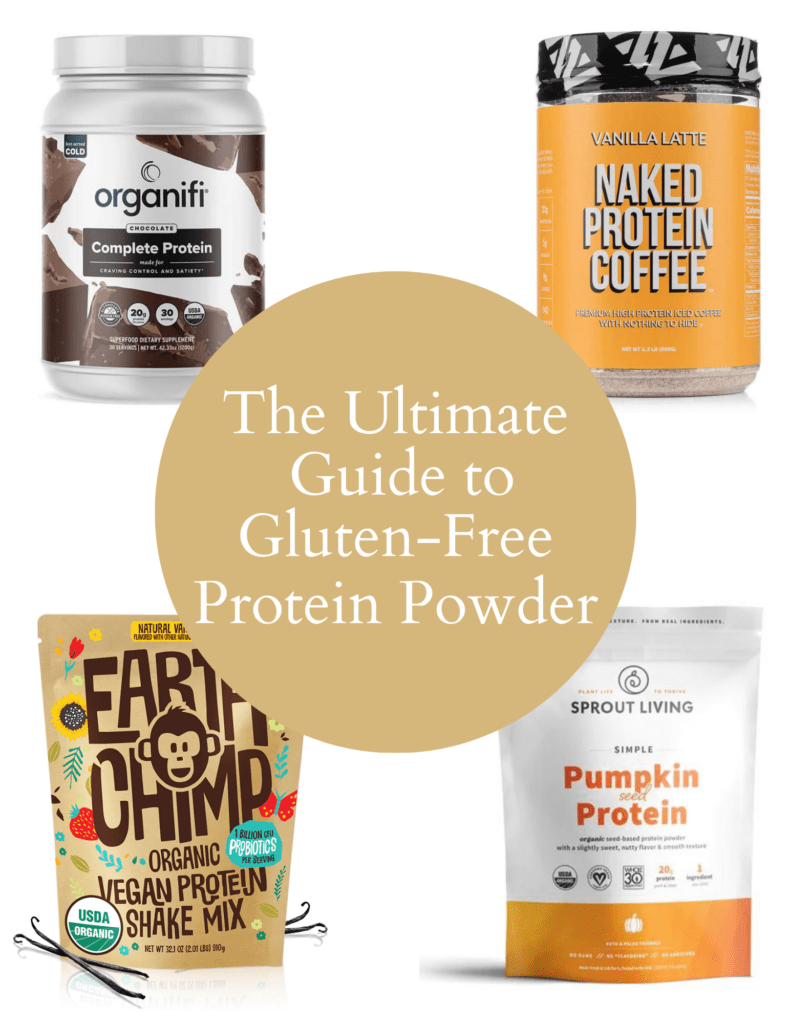
Most protein powders do not naturally contain gluten, but some products contain gluten-based ingredients or may become contaminated during manufacturing.
If you shop for protein powder in the United States, you will find many options made from whey, milk, eggs, peas, soy, rice, and other protein sources. Most of these ingredients are naturally free of gluten. However, that does not mean every protein powder is safe for someone who has celiac disease or needs to avoid gluten.
The main issue is often what manufacturers add to the protein blend. Flavorings, cookie pieces, malt ingredients, oat products, and other additives can introduce gluten. Shared manufacturing equipment can also create a risk of cross-contact, even when the main protein ingredient is naturally gluten-free.
The good news is that you do not need to avoid protein powder simply because you follow a gluten-free diet. You need to understand the ingredients, read the product label, and check for a reliable gluten-free claim. This guide explains which protein sources are generally safe, which ingredients deserve attention, and how to choose a product with greater confidence.
For people with celiac disease, ingredient checks matter even more. Small amounts of gluten may be present through cross-contact, so a plain ingredient list alone may not provide enough assurance. A clearly labeled gluten-free product offers a more useful starting point.
Source: veganproteinpowder.reviews
Does Protein Powder Contain Gluten?
Protein powder can contain gluten, but gluten is not a natural part of most common protein sources. Whey, casein, egg, pea, soy, rice, hemp, and collagen proteins do not naturally contain gluten when they are pure and properly processed.
The difference between a protein ingredient and a finished protein powder is important. Manufacturers rarely use only one ingredient. They may add sweeteners, flavors, thickeners, digestive enzymes, vitamins, minerals, and other ingredients to create a complete product.
Some of these additions may contain wheat or barley. Others may come into contact with gluten during production. Therefore, a protein powder made from naturally gluten-free ingredients is not automatically a verified gluten-free product.
For example, plain whey protein isolate may be gluten-free by nature. A chocolate cookie-flavored whey blend could contain wheat flour or cookie crumbs. Both products may use whey as their main protein source, but their gluten status can be very different.
The safest approach is to check the finished product rather than judging it by the name of its main ingredient.
Source: thehelpfulgf.com
Naturally gluten-free protein
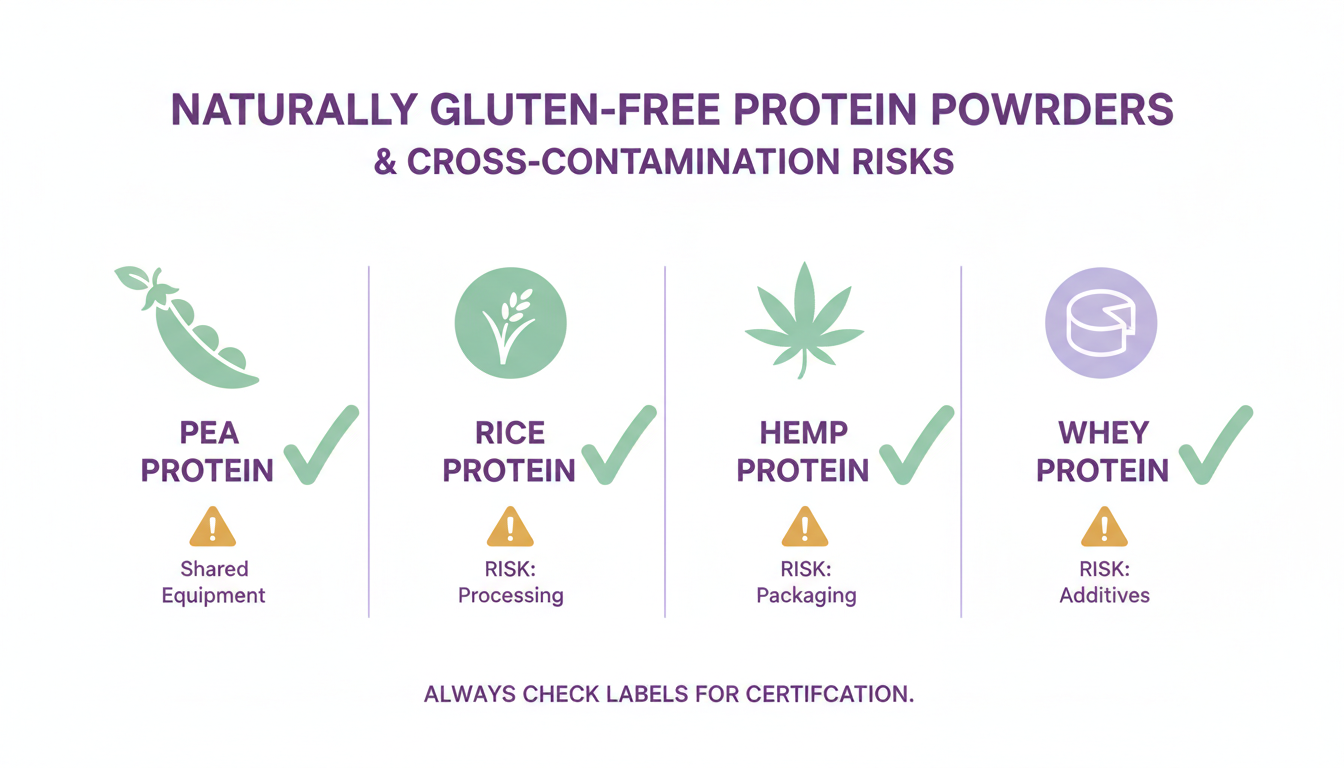
Pure whey, casein, egg, pea, soy, rice, hemp, and collagen protein are generally free of gluten.
Potentially gluten-containing additions
Malt, wheat flour, barley ingredients, cookie pieces, and some grain-based blends can introduce gluten.
Manufacturing concerns
Shared equipment, storage areas, and production lines may expose otherwise gluten-free ingredients to gluten.
What Is Gluten?
Gluten is a group of proteins found in certain grains, mainly wheat, barley, and rye. It helps dough stretch and hold its shape. It is common in bread, pasta, baked goods, and many processed foods.
Gluten can also appear in foods where you might not expect it. Some flavorings, malt products, sauces, and processed food ingredients may contain wheat or barley derivatives.
People with celiac disease must avoid gluten because it triggers an immune reaction that damages the small intestine. People with wheat allergy have a different immune response, while some people report symptoms associated with non-celiac gluten sensitivity.
Why Protein Powder Can Be Different From Pure Protein
Think of pure protein as the foundation of a recipe. Everything added to that foundation can change the final product. A manufacturer may start with pea protein and add a cereal blend, flavor system, or oat ingredient.
These additions can affect whether the finished powder is gluten-free. This is why the words whey protein, plant protein, or natural protein on the front of a package are not enough to confirm gluten safety.
Which Types of Protein Powder Are Naturally Gluten-Free?
Several common protein sources are naturally gluten-free. These include dairy-based proteins, eggs, legumes, seeds, and certain animal-based proteins. However, the finished product still needs an ingredient and manufacturing check.
Understanding the source of protein can help you narrow your choices. It also helps you separate gluten concerns from other dietary needs, such as lactose intolerance, dairy allergies, and soy allergies.
The following table compares common protein sources and explains what to check before buying a finished powder.
Source: maximumhealthproducts.com
Whey Protein
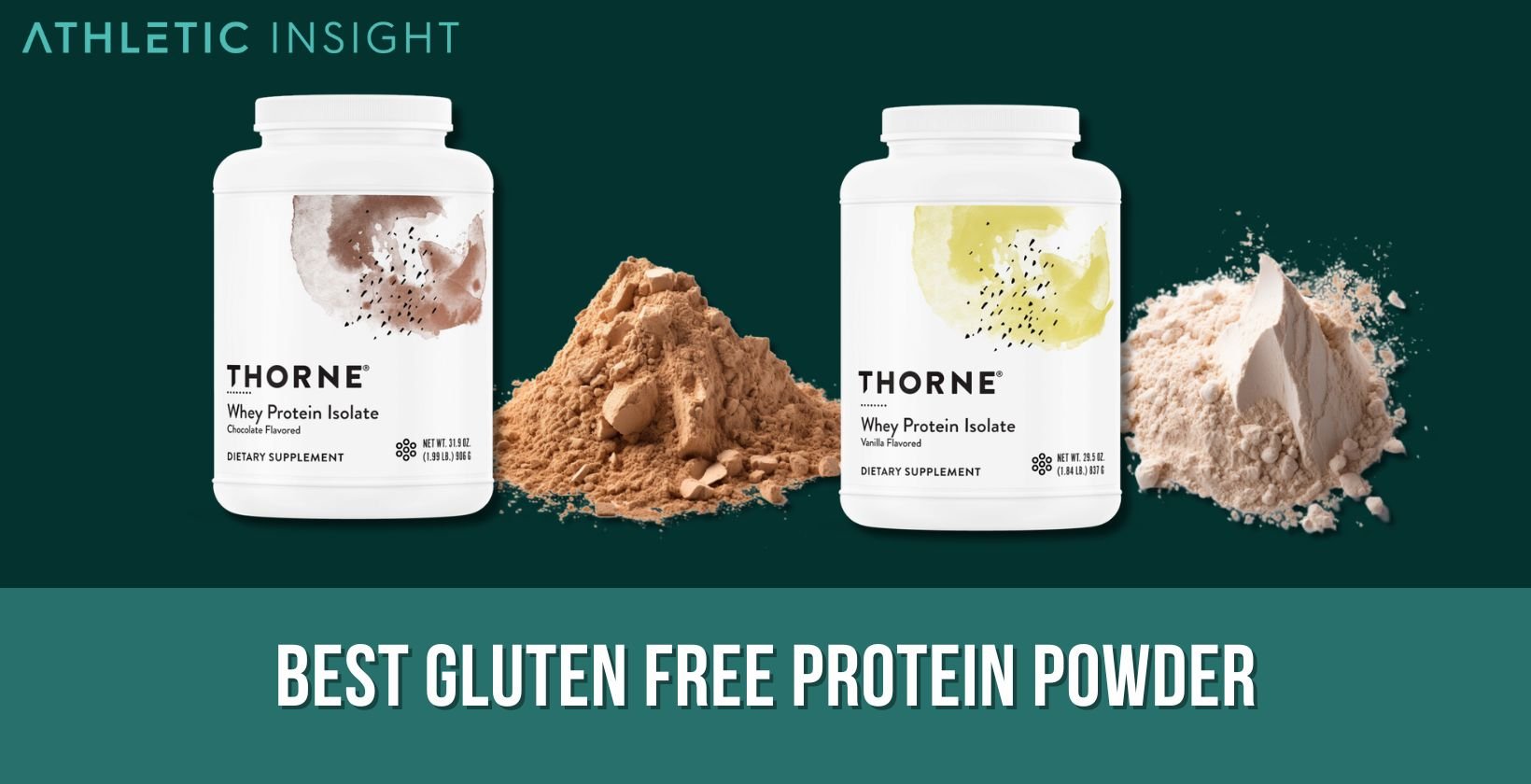
Whey protein comes from milk during cheese production. Pure whey concentrate, whey isolate, and whey hydrolysate are naturally gluten-free because milk does not contain gluten.
Whey concentrate contains varying amounts of lactose and other milk components. Whey isolate undergoes additional processing to increase its protein concentration and reduce much of its lactose. Hydrolyzed whey is processed into smaller protein fragments.
These differences relate to protein processing and digestion, not gluten content. Flavored whey products still need careful label checks because they may contain cookie pieces, malt flavoring, or other gluten-containing additions.
Whey concentrate
Naturally gluten-free in its pure form, but check the other ingredients in flavored blends.
Whey isolate
A more filtered dairy protein that is naturally gluten-free when pure.
Hydrolyzed whey
A processed form of whey protein that is also naturally gluten-free.
Casein Protein
Casein is another milk protein. It is naturally gluten-free and is often used in protein powders designed for slower digestion.
Plain casein does not contain gluten by nature. However, flavored casein products may include ingredients that introduce gluten or create cross-contact concerns.
If you have both celiac disease and a milk allergy, casein is not suitable simply because it is gluten-free. Casein is a milk protein and should be avoided by people who must eliminate milk proteins.
Pea Protein
Pea protein is made from yellow peas and is a common option for people who avoid dairy. Pure pea protein is naturally gluten-free and provides plant-based protein.
Some manufacturers combine pea protein with rice protein, seeds, or other plant ingredients. These blends can still be gluten-free, but flavored versions and grain-based additions should be checked.
Soy Protein
Soy protein comes from soybeans, which do not naturally contain gluten. Soy protein isolate and soy protein concentrate are common ingredients in plant-based protein powders.
The main concerns are additional ingredients and manufacturing practices. Also, soy is a separate allergen, so a gluten-free soy protein powder is not suitable for someone with a soy allergy.
Rice Protein
Rice is naturally gluten-free. Rice protein powder is made by separating protein from rice and can be used as a plant-based alternative to dairy proteins.
Rice protein may have a different amino acid profile from some other protein sources. Manufacturers sometimes combine it with pea protein to create a broader plant-based amino acid profile.
People with celiac disease should still look for a gluten-free label because rice ingredients can be exposed to gluten during harvesting, processing, or packaging.
Egg White Protein
Egg white protein is made from the protein-rich portion of eggs. Plain egg white protein is naturally gluten-free and does not contain dairy.
It can be useful for people who avoid milk-based protein powders. However, egg is a major food allergen, and flavored egg protein products still require ingredient checks.
Hemp and Collagen Protein
Hemp protein comes from hemp seeds and is naturally gluten-free. It also provides fiber and other plant compounds, although its protein concentration may differ from highly refined protein isolates.
Collagen protein is generally made from animal sources such as bovine, fish, or chicken materials. Pure collagen does not naturally contain gluten. Flavored collagen powders and mixed supplement formulas may include other ingredients that need checking.
Collagen is not a complete replacement for every dietary protein source because it does not provide the same balance of essential amino acids as many complete proteins. Its nutritional role differs from whey, egg, and several plant protein blends.
Protein Powder Ingredients That May Contain Gluten
Some protein powders contain gluten because of their added ingredients rather than their main protein source. This is especially relevant when buying flavored powders, meal replacement blends, and products with added grains or crunchy ingredients.
Reading the ingredient list is one of the most useful ways to identify these ingredients. Do not stop at the front label or assume that a high-protein product must be gluten-free.
Pay particular attention to the following ingredients when checking a protein powder.
Source: eatprotein.co.uk
Wheat flour
A direct source of gluten. It may appear in cookie pieces, baked inclusions, or other flavor components.
Barley and barley malt
Barley contains gluten. Malt extract, malt syrup, and malt flavoring derived from barley should be avoided on a strict gluten-free diet unless a product meets an applicable legal exception and is properly labeled.
Rye
Rye is a gluten-containing grain. It is less common in protein powders but can appear in grain-based blends.
Regular oats
Oats are naturally gluten-free, but regular oats can be contaminated with wheat, barley, or rye during growing and processing.
Cookie and biscuit pieces
These ingredients may contain wheat flour or other gluten-containing components.
Cereal and granola blends
Some blends include wheat, barley malt, or oats that have not been verified as gluten-free.
Can Malt Flavoring Contain Gluten?
Yes. Malt flavoring commonly comes from barley, which contains gluten. It may be used to create a rich, toasted, or sweet flavor in some processed foods and flavored supplements.
If you see barley malt, malt extract, or malt syrup on a protein powder label, do not assume the product is gluten-free. Check the exact ingredient source and the manufacturer’s gluten-free information.
Are Oats Safe in Protein Powder?
Oats are naturally free of gluten, but ordinary oats are often exposed to wheat, barley, or rye during farming, transportation, and processing. This can make oat-containing protein powders unsuitable for people with celiac disease.
Look for oats specifically labeled gluten-free. Some people with celiac disease may also need guidance from their healthcare professional about whether and how much certified gluten-free oats to eat.
A product that contains oats but does not explain their gluten-free status deserves further checking. Do not treat the word oat as proof of safety.
Are Natural Flavors and Thickeners a Concern?
Natural flavors and thickeners do not automatically contain gluten. Their names alone do not prove that a product contains wheat or barley.
However, a consumer may not be able to identify every ingredient source from the front label. If you have celiac disease and cannot establish whether a questionable ingredient or flavor system is gluten-free, contact the manufacturer for clarification.
Can Protein Powder Become Contaminated With Gluten?
Yes. Protein powder can become contaminated with gluten through cross-contact during manufacturing, storage, transportation, or preparation. This can happen even when every ingredient in the formula is naturally gluten-free.
Cross-contact means that a food or ingredient comes into contact with another food that contains gluten. For example, a manufacturer may process wheat-based products and gluten-free protein powders on the same equipment.
Cleaning procedures can reduce this risk, but the level of control depends on the manufacturer’s processes. A statement about ingredients alone does not explain every manufacturing condition.
This matters most for people with celiac disease, who need to follow a strict gluten-free diet. A product that looks safe based on its protein source may not provide enough assurance if its production controls are unclear.
Source: athleticinsight.com
Shared production equipment
Mixers, conveyors, filling machines, and packaging equipment may process products containing wheat or barley.
Shared manufacturing facilities
Different products may be made in the same building, creating possible cross-contact risks if controls are inadequate.
Ingredient handling
Bulk ingredients may come into contact with gluten-containing grains during storage or transportation.
Home preparation
A contaminated scoop, blender, measuring cup, or storage container can introduce gluten after the powder is opened.
Does Made in a Facility That Processes Wheat Mean Unsafe?
Not necessarily. A shared facility warning does not automatically mean that a protein powder contains gluten. It indicates that the manufacturer may process other products that contain wheat or similar ingredients.
The important question is whether the manufacturer has effective controls to prevent cross-contact. A product may still qualify for a gluten-free claim if it meets the FDA requirements.
If you have celiac disease and are uncertain about a particular product, contact the manufacturer. Ask whether the finished product is controlled for gluten and whether the company verifies its gluten-free status.
How to Prevent Cross-Contact at Home
Once you buy a suitable protein powder, keep it separate from gluten-containing foods. Use a clean scoop and a clean, dry container. Do not use a scoop that has been placed in regular flour, cereal, or another product containing gluten.
Clean your blender, shaker bottle, lid, and other equipment before preparing a gluten-free shake. Pay attention to removable seals and small areas where food residue may remain.
If you share a kitchen with someone who eats gluten, a separate scoop and clearly marked storage area can make daily preparation easier.
What Does Gluten-Free Mean on a Protein Powder Label?
In the United States, the FDA regulates voluntary gluten-free claims on foods under its gluten-free labeling rule. A product labeled gluten-free must contain less than 20 parts per million of gluten and meet the rule’s requirements for ingredients.
Twenty parts per million, often written as 20 ppm, is a concentration. It means fewer than 20 milligrams of gluten per kilogram of food. It does not mean that the product contains absolutely zero gluten.
The FDA rule also restricts the use of gluten-containing grains and certain ingredients derived from them. For example, a food cannot use an ordinary gluten-containing ingredient and simply rely on a low final test result to qualify for the claim.
The gluten-free claim is voluntary. Manufacturers do not have to put it on every food that happens to be naturally gluten-free. However, for processed products such as protein powders, the claim can help consumers identify products that meet the federal standard.
The FDA does not require every manufacturer to conduct a particular gluten test before using the claim. Manufacturers remain responsible for ensuring that their products comply with the rule. Some may use supplier records, ingredient checks, testing, or third-party certification as part of their quality controls.
Source: path.qualityauthors.co.uk
Gluten-free
A regulated voluntary claim that requires the food to meet the FDA gluten-free standard, including less than 20 ppm gluten.
Certified gluten-free
Indicates that a product has been assessed under a third-party certification program. The exact testing threshold and requirements depend on the certification organization.
Wheat-free
Does not necessarily mean gluten-free because barley and rye can still contain gluten.
No gluten ingredients
Describes the ingredient formulation but does not, by itself, establish that the finished product meets the FDA gluten-free standard.
Is FDA Gluten-Free Labeling Enough for People With Celiac Disease?
An FDA-compliant gluten-free claim provides a useful standard for choosing packaged foods in the United States. It means the product must meet the applicable federal definition rather than simply contain a naturally gluten-free protein source.
Some people prefer products with independent gluten-free certification. Certification programs may use stricter limits, such as 10 ppm or 5 ppm, and may have additional requirements for manufacturing controls. The exact standard depends on the program.
Certification is an added verification step, not a guarantee that every person will have the same experience. If you have celiac disease, follow your healthcare professional’s advice and choose products that fit your dietary needs.
Does a Protein Powder Need a Gluten-Free Label to Be Safe?
No. The FDA does not require a naturally gluten-free food to carry a gluten-free claim. A plain product made entirely from naturally gluten-free ingredients may not display the claim.
Still, protein powder is a processed supplement with multiple possible ingredients and manufacturing steps. For people with celiac disease, a clear gluten-free label or reliable manufacturer confirmation offers more useful information than guessing from the ingredient list alone.
How to Choose a Gluten-Free Protein Powder
Choosing a gluten-free protein powder starts with checking the finished product, not just the protein source. A simple review of the label and manufacturer information can help you avoid common problems.
You do not need to choose the most expensive powder or the one with the longest list of certifications. Focus on clear labeling, suitable ingredients, and reliable information about gluten controls.
Use the following steps when shopping online or in a grocery store in the United States.
Source: thewheatlesskitchen.com
Step 1: Look for a gluten-free claim
Start with products that clearly display gluten-free on the packaging. This gives you a useful indication that the manufacturer is making a regulated claim.
Step 2: Read the complete ingredient list
Check for wheat, barley, rye, malt, ordinary oats, cookie pieces, and other ingredients that may contain gluten.
Step 3: Check the allergen statement
Look for wheat and other allergens. Remember that wheat-free and gluten-free are not interchangeable terms.
Step 4: Review manufacturing information
Look for information about shared equipment, cross-contact controls, and gluten testing.
Step 5: Check the exact flavor and product version
Different flavors may have different ingredients. Verify the current label instead of assuming that every version of a brand is identical.
Step 6: Contact the manufacturer if needed
Ask specific questions about gluten testing, ingredient sourcing, and shared production equipment when the label does not provide enough information.
Questions to Ask a Protein Powder Manufacturer
If you have celiac disease, a short conversation with the manufacturer can help resolve uncertainty. Customer service may be able to provide information that is not printed on the package.
Ask questions about the actual product and flavor you intend to buy. General statements about a brand’s gluten-free products may not apply to every item in its range.
Is this exact product gluten-free?
Ask whether the specific flavor and product version meets the FDA gluten-free requirements.
Is the finished product tested?
Ask whether the company tests finished batches or uses another documented process to verify gluten control.
Are shared production lines used?
Ask whether the equipment also handles wheat, barley, rye, or other gluten-containing ingredients.
How is cross-contact controlled?
Ask about cleaning procedures, ingredient segregation, and supplier verification.
Are all flavors covered?
Confirm whether the information applies to the exact flavor, size, and formulation you plan to purchase.
What Should You Do if the Manufacturer Cannot Confirm Gluten Status?
If the manufacturer cannot provide clear information, choose another product with better labeling and verification. This is especially important when you have celiac disease.
Do not rely on a salesperson’s general statement that a protein powder is healthy, natural, or made from plants. Those descriptions do not answer the gluten question.
Is Gluten-Free Protein Powder Suitable for Everyone?
Gluten-free protein powder can fit many diets, but gluten status is only one part of a product’s nutritional and safety profile. A powder can be gluten-free and still contain ingredients that do not suit your body or dietary needs.
For example, whey and casein are gluten-free dairy proteins, but they are not suitable for someone with a milk protein allergy. Some whey products may also contain enough lactose to cause digestive symptoms in people with lactose intolerance.
Soy and pea protein are plant-based alternatives, but soy is a major allergen. Pea protein may also cause digestive discomfort in some people. Check the complete ingredient list if you have other food allergies or sensitivities.
Source: athleticinsight.com
Celiac disease
Choose products with a reliable gluten-free claim and pay close attention to cross-contact controls.
Non-celiac gluten sensitivity
A gluten-free product may help avoid a suspected trigger, but other ingredients may also cause symptoms. Discuss persistent symptoms with a healthcare professional.
Wheat allergy
Avoid wheat and follow medical allergy advice. A gluten-free label does not automatically mean that every possible wheat-derived allergen concern has been addressed.
Lactose intolerance
Consider lactose content or a suitable plant-based alternative. Gluten-free does not mean lactose-free.
Milk allergy
Avoid whey and casein because they are milk proteins, even when the powder is gluten-free.
Soy allergy
Avoid soy-based protein powders and check mixed plant protein formulas for soy ingredients.
Can You Drink Protein Shakes if You Have Celiac Disease?
Yes. People with celiac disease can use protein shakes when the powder and other ingredients are suitable for a strict gluten-free diet.
Choose a powder that carries a gluten-free claim or has reliable manufacturer verification. Check the milk, fruit, flavorings, sweeteners, and other ingredients you add to the shake as well.
Use clean preparation equipment and avoid shared scoops or containers that may contain crumbs or residue from gluten-containing foods. If you are newly diagnosed, a registered dietitian familiar with celiac disease can help you fit protein supplements into your diet.
Does Gluten-Free Mean Healthy?
No. Gluten-free describes the product’s relationship to gluten, not its overall nutritional quality.
Some gluten-free protein powders contain added sugar, artificial sweeteners, flavoring agents, or large amounts of sodium. Others may have a high protein content with a relatively short ingredient list.
Check the Nutrition Facts panel for protein per serving, calories, added sugars, saturated fat, and sodium. Choose a product that supports your nutritional needs rather than relying on a gluten-free claim alone.
Common Mistakes When Buying Gluten-Free Protein Powder
Many gluten-related mistakes happen because shoppers focus on one part of a product label and overlook the rest. A protein source may be naturally gluten-free, but the complete formula and production process still matter.
Avoid these common assumptions when selecting a powder, particularly if you need to follow a strict gluten-free diet.
Source: eatprotein.co.uk
Assuming all whey protein is gluten-free
Pure whey is naturally gluten-free, but flavored blends can contain gluten-based ingredients or experience cross-contact.
Choosing a product only because it says wheat-free
Barley and rye also contain gluten. Wheat-free does not establish gluten-free status.
Ignoring the flavor
Chocolate, vanilla, and cookie flavors may use different ingredient blends. Check each exact product variation.
Assuming plant-based means gluten-free
Plant proteins are often gluten-free by nature, but added grains, oats, and flavor ingredients may change the result.
Ignoring cross-contact
A clean ingredient list does not explain whether the powder was processed on shared equipment.
Confusing gluten-free with dairy-free
Whey and casein can be gluten-free while still containing milk proteins.
Assuming every product from one brand has the same status
Different product lines, flavors, and manufacturing locations may have different ingredients and controls.
Why You Should Recheck the Label After Buying a Product
Manufacturers can change recipes, suppliers, production locations, and packaging. A product that previously met your needs may have a different formulation later.
Check the label whenever you purchase a new container, especially if the package design or ingredient list has changed. This simple habit helps you avoid relying on outdated information.
How to Check Whether Your Current Protein Powder Contains Gluten
If you already have a container of protein powder at home, you can use a simple review process before taking another serving. Start with the packaging and work through the ingredients, claims, and manufacturer information.
Do not taste the powder to determine whether it contains gluten. Gluten is not something you can reliably identify by taste, smell, color, or texture.
Source: thehelpfulgf.com
Check the front of the container
Look for a clear gluten-free claim or a recognized third-party certification.
Read the ingredient list
Look for wheat, barley, rye, malt, and potentially contaminated oat ingredients.
Review allergen information
Check for wheat declarations and any voluntary shared-facility or shared-equipment statements.
Visit the manufacturer’s website
Look for product-specific gluten information, testing details, and current ingredient information.
Contact customer service
Ask for confirmation if the product’s gluten status remains unclear.
Do not use an unverified product when strict avoidance is required
If you have celiac disease and cannot confirm the product’s suitability, choose a better-documented alternative.
What If You Accidentally Consume Protein Powder Containing Gluten?
If you have celiac disease and discover that you consumed a product containing gluten, stop using that product and return to your usual gluten-free diet. Do not try to compensate by skipping meals or making other extreme dietary changes.
Symptoms can vary. Some people experience bloating, abdominal pain, diarrhea, nausea, or fatigue, while others may not notice immediate symptoms. The absence of symptoms does not prove that gluten exposure did not occur.
Drink fluids if you have diarrhea or vomiting. Contact your healthcare professional if symptoms are severe, persistent, or concerning. Seek urgent medical care for signs of a serious allergic reaction, such as trouble breathing or swelling of the throat.
If the exposure was caused by a particular product, keep its packaging and ingredient information. This can help you discuss the situation with your healthcare professional and report a possible labeling issue if appropriate.
Frequently Asked Questions
Q
Does whey protein powder contain gluten?
Pure whey protein is naturally gluten-free because it comes from milk. Whey concentrate, whey isolate, and hydrolyzed whey do not naturally contain gluten.
However, flavored whey protein powders may contain wheat, barley malt, cookie pieces, or other gluten-containing ingredients. Manufacturing cross-contact is another concern. Choose a product with a clear gluten-free claim if you need reliable gluten avoidance.
Q
Is plant-based protein powder gluten-free?
Many plant-based protein powders are naturally gluten-free. Pea, rice, soy, and hemp proteins are examples of plant protein sources that do not naturally contain gluten.
However, some plant-based powders contain regular oats, wheat-based ingredients, barley malt, or other additives. Plant-based does not automatically mean gluten-free, so check the full ingredient list and manufacturing information.
Q
Can people with celiac disease take protein powder?
Yes. People with celiac disease can use protein powder when the product meets their gluten-free dietary requirements. A powder carrying a valid gluten-free claim under FDA rules is a useful option.
Check the exact flavor, ingredients, and manufacturing information. If you are uncertain about cross-contact or a specific ingredient, contact the manufacturer or ask a registered dietitian familiar with celiac disease for guidance.
Q
Is gluten-free protein powder also dairy-free?
No. Gluten-free and dairy-free describe two different dietary properties. Whey and casein protein powders can be gluten-free while still containing dairy.
If you avoid both gluten and dairy, consider a suitable pea, rice, hemp, or other plant-based protein powder. Check the allergen information and manufacturing statements because plant-based products can also have cross-contact concerns.
Q
Can protein powder contain hidden gluten?
Yes. Gluten may come from ingredients such as barley malt, wheat flour, rye, cookie pieces, or contaminated oats. It may also enter a product through shared manufacturing equipment.
Read the complete ingredient list and look for a gluten-free claim. If the product does not provide enough information, contact the manufacturer before using it, especially if you have celiac disease.
Q
Does chocolate protein powder contain gluten?
Chocolate protein powder does not automatically contain gluten. Pure cocoa and many chocolate-flavored protein formulas can be gluten-free.
The risk comes from added ingredients such as malt flavoring, cookie pieces, cereal inclusions, or cross-contact during manufacturing. Check the exact product label rather than assuming all chocolate powders have the same ingredients.
Q
Is collagen protein powder gluten-free?
Pure collagen protein is generally naturally gluten-free because it comes from animal sources rather than wheat, barley, or rye.
Flavored collagen blends may contain additional ingredients that introduce gluten. Look for a gluten-free claim and review the complete formula before buying.
Q
Does a gluten-free label mean a protein powder has zero gluten?
No. Under the FDA standard in the United States, foods labeled gluten-free must contain less than 20 parts per million of gluten. This is a regulated limit, not a promise of absolute zero gluten.
Some independent certification programs use stricter limits. Check the specific certification requirements if you want additional information about a product’s gluten controls.
Q
Can regular oats in protein powder cause problems for someone with celiac disease?
Yes. Although oats are naturally gluten-free, ordinary oats can become contaminated with wheat, barley, or rye during growing, harvesting, transportation, or processing.
Choose oats specifically labeled gluten-free. People with celiac disease should also discuss their individual tolerance for oats with their healthcare professional or registered dietitian.
Q
How can I tell if my protein powder is certified gluten-free?
Check the packaging for a third-party gluten-free certification mark. Then verify the certification organization’s standards and whether the specific product is covered.
A third-party certification may involve additional testing and manufacturing requirements beyond the basic FDA labeling rule. Do not assume that a general quality or sports nutrition certification also verifies gluten-free status.
✦ Wrapping Up
Conclusion
So, does protein powder contain gluten? Sometimes, but most common protein sources do not naturally contain it. Pure whey, casein, egg, pea, soy, rice, hemp, and collagen proteins are generally gluten-free.
The main concerns are added ingredients and manufacturing cross-contact. Wheat flour, barley malt, rye, contaminated oats, and cookie pieces can make an otherwise suitable protein blend unsuitable for a gluten-free diet.
If you have celiac disease, do not rely on the protein source alone. Look for a clear gluten-free claim, review the full ingredient list, and check the manufacturer’s information when production practices are unclear. Independent certification may offer another level of verification.
Also remember that gluten-free does not automatically mean dairy-free, allergen-free, or nutritionally balanced. Check the Nutrition Facts panel and choose a protein source that fits your wider dietary needs.
💡 Key Takeaway
Before your next protein powder purchase, check the exact product and flavor for a gluten-free claim, read every ingredient, and verify manufacturing controls if you have celiac disease. When the information is unclear, contact the manufacturer or choose a product with better gluten-free verification.
You’re in the healthfood aisle, and every wrapper says “protein bar.” Some have 4 grams of protein and 18 grams of sugar. Others list 14 ingredients you can’t…
Why do protein bars taste bad? Learn how protein powders, sweeteners, fiber, texture, and storage affect flavor, plus how to choose a better-tasting bar.