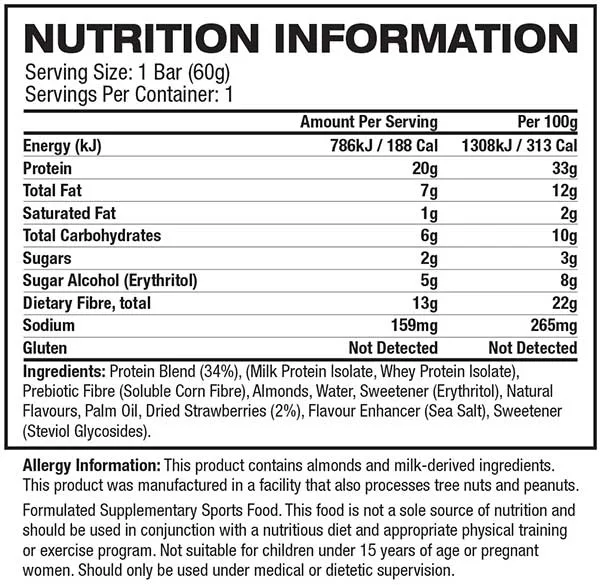
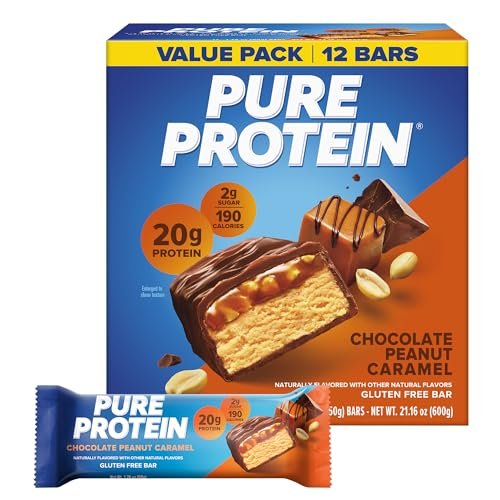
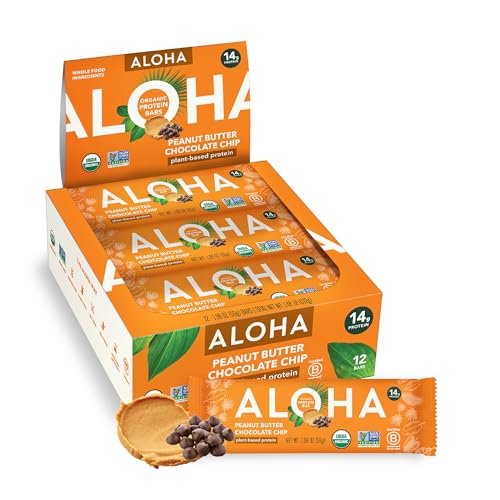
Eating too many protein bars can cause bloating, gas, constipation, diarrhea, excess calorie intake, and an unbalanced diet. The effects depend on the ingredients, total protein intake, and your health.
Protein bars are easy to find in American grocery stores, gyms, pharmacies, and convenience stores. Many people in the United States keep them in a gym bag, office drawer, or car for a quick snack. They can help fill a gap when a full meal is not available.
However, eating several protein bars every day is not always a good idea. Some bars contain large amounts of added fiber, sugar alcohols, sweeteners, and calories. Eating too many may upset your stomach or make it harder to maintain a balanced diet.
The biggest concern is not simply the number of bars you eat. It is how much protein, sugar, fiber, fat, and total energy you get from them throughout the day. Your activity level, age, food choices, and kidney health also matter.
This guide explains what can happen when you eat too many protein bars, which ingredients may cause problems, and how to decide whether your daily intake is reasonable. It also explains when digestive symptoms or other warning signs deserve medical attention.
What Happens If You Eat Too Many Protein Bars?
Eating too many protein bars can affect your digestive system, calorie intake, and overall diet. The most common short-term problems include gas, bloating, stomach pain, constipation, and loose stools.
Some people also consume more calories than they need because they treat protein bars as small snacks. Others may eat fewer fruits, vegetables, whole grains, and regular meals because bars are easy to grab.
The effects vary from person to person. Eating two bars may bother someone with a sensitive stomach, while another person may tolerate the same amount without trouble. The ingredients and your total daily food intake matter more than a fixed bar count.
Eating extra protein does not mean your body will turn all of it into extra muscle. Protein supports muscle repair and growth, but those processes also depend on exercise, energy intake, sleep, and recovery.
Digestive discomfort
Large amounts of added fiber and sugar alcohols can lead to gas, bloating, cramps, and changes in bowel movements.
Extra calories
Several bars can add hundreds of calories to your normal meals and snacks.
Excess protein
Protein beyond your needs may provide little extra benefit and can make your diet less balanced.
Nutrient imbalance
Relying on bars can reduce your intake of foods that provide a wide range of vitamins, minerals, and natural fiber.
Can Eating Too Many Protein Bars Make You Sick?
Yes, eating too many protein bars can make you feel sick, especially if you consume several in a short period. You may experience nausea, stomach cramps, gas, or diarrhea.
These symptoms do not always mean you have consumed a dangerous amount of protein. A particular sweetener, dairy ingredient, or added fiber may be the real cause.
If symptoms are severe, keep returning, or do not improve after you stop eating the bars, contact a healthcare professional. Severe abdominal pain, repeated vomiting, bloody stools, or signs of dehydration need prompt medical attention.
1. You May Experience Gas, Bloating, and Stomach Pain
Digestive discomfort is one of the most common problems linked to eating too many protein bars. Many bars contain ingredients that can be difficult for some people to digest in large amounts.
For example, a bar may contain added inulin, chicory root fiber, soluble corn fiber, or other concentrated fibers. These ingredients can increase the amount of fermentable material in your digestive tract.
Gut bacteria break down certain fibers and produce gas during this process. When you eat several high-fiber bars, the extra gas can cause pressure, bloating, and stomach cramps.
Your body may adjust to a gradual increase in fiber, but eating a large amount at once can still cause discomfort. People with irritable bowel syndrome may be more sensitive to some of these ingredients.
Gas
Fermentation of certain added fibers can increase gas production in the intestines.
Bloating
Gas and changes in bowel activity can make your stomach feel full, tight, or swollen.
Stomach cramps
A sudden increase in fiber or poorly tolerated ingredients may cause abdominal discomfort.
Why Added Fiber Can Cause Problems
Fiber is important for digestion, bowel health, and fullness. However, more fiber is not always better when you increase it too quickly.
Some protein bars contain several grams of added fiber in one serving. Eating multiple bars can quickly raise your daily intake beyond what your digestive system is used to handling.
Try to get most of your fiber from foods such as oats, beans, vegetables, fruits, nuts, and whole grains. Increase fiber gradually and drink enough fluids.
2. You Could Develop Diarrhea or Constipation
Eating too many protein bars can change your bowel movements. Some people develop diarrhea, while others experience constipation. The result depends on the ingredients, amount eaten, hydration, and individual digestion.
Sugar alcohols are a common reason for loose stools. These sweeteners are used in some low-sugar and sugar-free bars. They can be absorbed incompletely in the small intestine, leaving material that draws water into the digestive tract.
Some bars also contain ingredients such as maltitol, sorbitol, erythritol, or xylitol. Individual reactions vary, and larger amounts may cause gas, cramps, or diarrhea.
Constipation can happen for a different reason. If protein bars replace fruits, vegetables, beans, and whole grains, your overall diet may contain too little fiber or fluid. A diet built mostly around packaged protein snacks may not support regular bowel movements.
Diarrhea
Large amounts of certain sugar alcohols can cause loose stools and digestive upset.
Constipation
Replacing fiber-rich whole foods with protein bars may reduce the variety of fiber in your diet.
Changes in bowel habits
A sudden change in your intake of fiber, sweeteners, and other ingredients can affect digestion.
How to Reduce Digestive Problems
Start by reducing the number of bars you eat and checking their ingredient lists. If a bar contains several sugar alcohols or a large amount of added fiber, try a different snack.
Drink water throughout the day, unless a healthcare professional has given you a fluid restriction. Add fiber-rich foods gradually instead of making a sudden change.
If diarrhea or constipation continues, avoid assuming that protein bars are the only possible cause. Food intolerance, medications, and digestive conditions can also affect bowel habits.
3. You May Consume Too Many Calories
Protein bars contain calories, even when their packaging focuses on protein or low sugar. Eating several bars in addition to your normal meals can increase your total daily calorie intake.
For example, imagine a protein bar contains 220 calories. Eating three bars adds 660 calories to your day. If those calories are not balanced by your overall energy needs, regular intake may contribute to gradual weight gain.
Protein provides energy just like carbohydrates and fat. Your body uses protein for many important functions, but it does not automatically turn every extra gram into muscle.
This is especially relevant for people who eat protein bars while trying to lose weight. A bar may be convenient, but adding it to a full meal rather than using it as a planned snack can increase total calories.
Check calories per serving
Look at the actual serving size and calorie count rather than judging a bar by its protein content.
Count all daily snacks
Include protein bars, shakes, nuts, drinks, and other snacks when estimating your total intake.
Consider your activity
People with different body sizes and activity levels have different energy needs.
Can Protein Bars Cause Weight Gain?
Yes, eating protein bars regularly can contribute to weight gain when they create a consistent calorie surplus. This is possible even when a bar is marketed as a fitness or weight-management snack.
However, protein bars do not automatically cause weight gain. They can fit into a weight-management plan when their calories are included in your overall food intake.
A useful approach is to replace a snack rather than add several extra bars on top of your usual meals. Check whether the bar actually helps you feel satisfied and whether it fits your daily needs.
4. Too Much Protein May Not Give You More Muscle
Eating more protein does not guarantee faster muscle growth. Your muscles need enough protein to repair and grow, but there is a point where adding more provides little extra benefit.
The body breaks dietary protein into amino acids. These amino acids support muscle tissue, enzymes, hormones, immune functions, and other important processes.
Resistance training gives your muscles a reason to adapt. Protein supplies some of the materials needed for that process. Without appropriate training and recovery, simply eating more protein bars will not produce the same results.
The National Institutes of Health Office of Dietary Supplements explains that athletes may need more protein than the basic adult recommendation. It also notes that high protein intake does not automatically improve performance beyond an appropriate intake.
Muscle repair
Protein provides amino acids that help repair and maintain muscle tissue.
Exercise recovery
A suitable protein intake can support recovery after resistance training and other physical activity.
Limited extra benefit
Eating more protein than you need does not guarantee additional strength or muscle growth.
How Much Protein Do You Actually Need?
The Recommended Dietary Allowance for protein for most healthy adults is 0.8 grams per kilogram of body weight per day. This is a general reference for meeting basic needs, not a personalized muscle-building target.
For example, a person weighing 150 pounds weighs about 68 kilograms. At 0.8 grams per kilogram, the basic reference amount is approximately 54 grams of protein per day.
People who exercise regularly, older adults, and those recovering from certain illnesses may need different amounts. Athletes may benefit from higher intakes, depending on their training and goals.
Your total includes protein from every source, not just bars. Eggs, dairy products, fish, meat, beans, nuts, seeds, and other foods all contribute.
Calculate your total
Add protein from meals, snacks, shakes, and bars to understand your daily intake.
Match intake to your needs
Consider body weight, age, activity, health conditions, and training goals.
Avoid unnecessary supplements
Do not assume that more protein is better simply because you exercise.
5. Your Kidneys May Need Extra Attention
Your kidneys remove waste products that form when your body processes protein. A consistently high protein intake can increase the amount of nitrogen-containing waste that your kidneys must handle.
For healthy adults, available research does not establish that every moderately high protein diet causes kidney damage. The NIH Office of Dietary Supplements reports that studies of healthy people consuming higher protein diets have not consistently found harmful changes in kidney function over the periods studied.
However, this does not mean that unlimited protein intake is safe for everyone. People with chronic kidney disease or reduced kidney function may need to limit protein based on their medical condition.
The American Kidney Fund explains that excessive protein intake can be a concern for people with kidney disease. The right amount also depends on the stage of kidney disease and whether a person receives dialysis.
If you have kidney disease, diabetes, high blood pressure, or a history of kidney problems, ask your healthcare provider before making protein bars a regular part of your diet.
Healthy kidney function
Moderately higher protein intake is not automatically harmful, but unnecessary excess still offers little reason to be consumed.
Chronic kidney disease
Some people need a lower protein intake to help manage waste buildup and protect remaining kidney function.
Dialysis
Protein needs may increase during dialysis, so dietary advice for these patients can differ from advice for other people with kidney disease.
Can Protein Bars Cause Kidney Damage?
There is no strong basis for saying that one or two protein bars automatically damage healthy kidneys. The risk depends on total protein intake, existing health conditions, and the rest of your diet.
The concern is greater when someone with reduced kidney function consumes large amounts of protein without medical guidance. Some bars also contain added phosphorus, sodium, or potassium, which may matter for people following a kidney-friendly diet.
A kidney specialist or registered dietitian can help determine which products and serving amounts are appropriate. Do not use general fitness nutrition advice as a replacement for a kidney care plan.
6. You May Eat Too Much Added Sugar
Not all protein bars are low in sugar. Some contain chocolate coatings, syrups, sweetened fillings, and other ingredients that add sugar to the final product.
Eating several bars can increase your daily added sugar intake. This may make it harder to follow a balanced eating plan and leave less room for foods with important nutrients.
The U.S. Food and Drug Administration recommends limiting added sugars to less than 10 percent of daily calories. For a 2,000-calorie diet, this equals less than 50 grams of added sugar per day.
The Nutrition Facts label lists added sugars separately from total sugars. This distinction matters because total sugars can include natural sugars from ingredients such as milk and fruit.
Eating a protein bar with some added sugar is not automatically unhealthy. The concern is the total amount you consume from bars, drinks, desserts, sauces, and other foods throughout the day.
Check added sugars
Compare the added sugar amount on the Nutrition Facts label rather than relying on front-of-package claims.
Watch serving size
Some packages contain more than one serving, so check the full amount you actually eat.
Compare similar bars
Look at calories, added sugars, protein, fiber, and saturated fat together.
Are Sugar-Free Protein Bars Better?
Sugar-free protein bars may contain less sugar, but that does not automatically make them a better choice. Manufacturers may use sugar alcohols or other sweeteners to maintain a sweet taste.
Some people tolerate these ingredients well. Others experience gas, bloating, or diarrhea, especially after eating several servings.
A useful choice depends on your digestive tolerance and overall nutrition needs. A bar with a modest amount of sugar may suit you better than a sugar-free bar that causes stomach problems.
7. You May Miss Important Nutrients From Whole Foods
Eating too many protein bars can crowd out other foods in your diet. This matters because protein bars usually provide a limited range of nutrients compared with a varied meal.
Whole foods such as fruits, vegetables, beans, whole grains, nuts, and seeds provide different vitamins, minerals, fiber, and plant compounds. These nutrients work together to support general health.
A protein bar may contain added vitamins and minerals, but a fortified label does not make it equal to a varied diet. It may also contain ingredients that are present in much smaller amounts than those found in whole foods.
For example, eating a bar instead of an apple, yogurt, and a handful of nuts changes more than your protein intake. It also changes your intake of fiber, vitamins, minerals, and other useful nutrients.
Protein bars can still be useful when you are traveling, working long hours, or unable to prepare food. The goal is to use them as convenient options rather than make them the main source of daily nutrition.
Less dietary variety
Eating the same packaged snack repeatedly can reduce the range of nutrients in your meals.
Less natural fiber
Whole fruits, vegetables, beans, and grains provide fiber in a varied food structure.
Fewer beneficial food components
Whole foods contain a combination of nutrients and plant compounds that a protein bar may not provide.
Why Whole Foods Still Matter
A balanced meal does more than provide protein. It can supply carbohydrates for energy, healthy fats, fiber, vitamins, and minerals.
For example, Greek yogurt with berries and oats provides protein along with calcium, fiber, and other nutrients. A meal with beans, brown rice, and vegetables offers protein and a wider range of plant-based nutrients.
These foods can also help you feel satisfied without depending on packaged snacks throughout the day.
8. You May Experience Food Sensitivity or Allergic Reactions
Some protein bars contain ingredients that can trigger food intolerance or allergic reactions. Eating several bars can increase your exposure to an ingredient that does not agree with your body.
Whey and casein are common milk proteins used in protein bars. Other products may contain soy, peanuts, tree nuts, wheat, or ingredients made from these foods.
A person with lactose intolerance may experience gas, bloating, or diarrhea after eating a bar that contains certain milk ingredients. This is different from a milk allergy, which involves the immune system.
Food allergies can cause symptoms such as hives, swelling, vomiting, breathing problems, or a severe reaction known as anaphylaxis. Even a small amount of an allergen may cause a serious reaction in a person with a food allergy.
Read the ingredient list and allergen statement before eating a new product. If you have a known allergy, do not rely only on a product’s protein or sugar claims.
Milk ingredients
Whey, casein, and milk-based ingredients may cause problems for people with milk allergies or certain forms of intolerance.
Soy and nuts
Some bars contain soy protein, peanuts, almonds, or other nuts that may trigger allergic reactions.
Wheat ingredients
Some bars contain wheat or gluten-containing ingredients, which matter for people with celiac disease or specific sensitivities.
When Is an Allergic Reaction an Emergency?
Trouble breathing, throat tightness, tongue swelling, faintness, or a combination of serious allergic symptoms can indicate anaphylaxis.
Seek emergency medical help immediately if these symptoms occur. People who have been prescribed epinephrine should use it as directed and still seek emergency care.
Do not try another serving to see whether the same reaction happens again.
How Many Protein Bars Are Too Many in a Day?
There is no universal number of protein bars that is too many for every person. One bar may be enough for someone who needs a quick snack, while another person may occasionally use more to meet a specific nutrition goal.
The important factor is how the bars fit into your total daily intake. Two bars containing 20 grams of protein each provide 40 grams of protein before you count breakfast, lunch, dinner, and other snacks.
For a person whose daily protein needs are modest, that may represent a large share of the day’s target. For an active person with higher needs, the same amount may fit more easily.
The following table uses hypothetical examples to show how quickly protein and calories can add up. These are calculations, not recommended daily serving limits.
Protein and Calorie Examples
Assume each example bar contains 20 grams of protein and 220 calories. Your actual bar may contain much more or less, so always use its own Nutrition Facts label.
One bar
20 grams of protein and 220 calories. This may work as a planned snack or convenient food between meals.
Two bars
40 grams of protein and 440 calories. This can be a substantial part of your daily protein and energy intake.
Three bars
60 grams of protein and 660 calories. This may leave less room for balanced meals and other nutrient-rich foods.
Four bars
80 grams of protein and 880 calories. For many people, this would be a large amount of calories from one type of packaged food.
What Should You Consider Before Eating Another Bar?
First, check how much protein you have already eaten from meals and other snacks. Then look at the bar’s calories, added sugars, fiber, sugar alcohols, and saturated fat.
Next, consider whether you are actually hungry or simply using bars out of habit. A regular meal may provide more variety and better overall nutrition.
If you need several bars every day because of a medical condition, demanding training schedule, or difficulty eating enough food, ask a registered dietitian to review your plan.
How to Tell If You Are Eating Too Many Protein Bars
The easiest way to assess your intake is to review your food choices over several days. A single day of eating more bars than usual does not automatically mean you have a problem.
Look for patterns such as frequent stomach discomfort, skipped meals, low food variety, or consistently high calorie intake from packaged snacks. These signs may suggest that your current routine needs adjustment.
You do not need to track every gram forever. However, a short food record can help you understand where your protein, calories, and fiber come from.
Count your bars
Write down how many bars you eat each day and whether they replace meals or add extra calories.
Add up your protein
Include protein from meat, eggs, fish, dairy, beans, nuts, shakes, and other foods.
Review digestive symptoms
Notice whether bloating, gas, cramps, or bowel changes happen after particular bars.
Check food variety
Make sure your diet still includes fruits, vegetables, whole grains, and other nutrient-rich foods.
Review the nutrition label
Compare calories, added sugars, saturated fat, fiber, and sweeteners across products.
A Simple Example of Daily Protein Tracking
Imagine a person eats eggs at breakfast, chicken at lunch, yogurt in the afternoon, and fish at dinner. Each food contributes to the person’s daily protein total.
If that person also eats two protein bars, the extra protein must be included in the same calculation. Looking only at the protein number on the bars can give a misleading picture of total intake.
A food journal or nutrition-tracking app can make this process easier. Use the results as a guide rather than treating every daily number as a strict rule.
How to Eat Protein Bars Without Overdoing It
You can enjoy protein bars without making them the center of your diet. The key is to choose products that meet a real need and balance them with regular meals.
A bar can be useful after a workout, during a long commute, or when you cannot prepare a meal. It can also provide extra protein when your normal diet does not meet your needs.
However, you should not assume that every workout requires a protein bar. Most people can meet their protein needs through a mix of ordinary foods.
Use bars as occasional snacks
Treat them as convenient food rather than a replacement for every breakfast, lunch, and dinner.
Choose a suitable ingredient list
Look for products that agree with your digestion and match your dietary needs.
Balance your meals
Eat fruits, vegetables, whole grains, healthy fats, and varied protein sources.
Watch added sugars
Compare the added sugar amount with your overall daily intake.
Drink enough fluids
Maintain suitable hydration, especially when increasing fiber intake or exercising.
Follow medical advice
Get individual guidance if you have kidney disease, food allergies, or a condition that affects your nutrition.
Healthy Alternatives to Eating Multiple Protein Bars
Whole-food snacks can provide protein along with other nutrients. They may also offer more variety in taste, texture, and food sources.
The best alternative depends on your dietary preferences, food allergies, budget, and access to refrigeration. You do not need expensive specialty foods to build a balanced snack.
Greek yogurt with berries
Provides protein, calcium, and nutrients from fruit.
Boiled eggs and whole-grain toast
Offers protein along with carbohydrates and other nutrients.
Apple with peanut butter
Combines fruit, fiber, healthy fats, and some protein.
Cottage cheese with fruit
Provides protein and calcium with a flexible serving size.
Hummus with vegetables
Offers plant-based protein, fiber, and several useful nutrients.
Oatmeal with milk and nuts
Combines protein, carbohydrates, fiber, and healthy fats.
Who Should Be More Careful About Eating Protein Bars?
Some people need more care when choosing protein bars or increasing protein intake. Their needs may differ because of medical conditions, food allergies, age, or digestive health.
A product that works well for one person may not be suitable for someone with kidney disease or a sensitive digestive system. Reading the label and considering your medical history are important steps.
People with kidney disease
They may need a specific protein target and limits on minerals such as phosphorus, sodium, or potassium.
People with food allergies
They should carefully review allergen statements and ingredient lists.
People with irritable bowel syndrome
Certain added fibers and sugar alcohols may trigger digestive symptoms.
People with diabetes
They should consider total carbohydrates, added sugars, serving size, and their individual meal plan.
Children and teenagers
They should not rely on adult sports nutrition products without suitable guidance from a healthcare professional.
Older adults
They may have different protein needs, but medical conditions and total nutritional intake still matter.
When Should You Talk to a Healthcare Professional?
Seek medical advice if you have ongoing digestive symptoms, unexplained changes in weight, or concerns about your protein intake. A registered dietitian can review your food choices and help set an appropriate daily target.
If you have diagnosed kidney disease, do not increase protein intake based only on general fitness advice. Your healthcare team can account for your kidney function, disease stage, and treatment.
Seek urgent care for severe abdominal pain, repeated vomiting, signs of significant dehydration, or symptoms of a serious allergic reaction.
Frequently Asked Questions
Q
Is eating three protein bars a day too much?
Three protein bars a day may be too much for some people, but there is no universal limit. The answer depends on their protein content, calories, added sugars, fiber, and your daily nutritional needs.
If three bars provide 60 grams of protein, that amount must be counted alongside protein from your meals. Eating that many bars regularly may also leave less room for whole foods.
Q
Can eating too many protein bars cause diarrhea?
Yes. Some protein bars contain sugar alcohols such as maltitol and sorbitol, which can cause diarrhea in sensitive people or when consumed in large amounts.
Added fibers may also cause digestive discomfort. Reduce your intake, check the ingredient list, and seek medical advice if diarrhea is severe or continues.
Q
Can protein bars damage your liver?
There is no good evidence that ordinary consumption of protein bars automatically damages a healthy liver. Protein is an essential nutrient that supports many normal body functions.
However, people with certain liver conditions may need individualized nutrition advice. If you have liver disease or abnormal liver test results, ask your healthcare professional about your protein needs and the ingredients in your supplements.
Q
Can eating protein bars every day be unhealthy?
Eating one protein bar every day is not automatically unhealthy. It may fit into a balanced diet if its ingredients, calories, and nutrients suit your needs.
Problems are more likely when bars replace varied meals or cause excessive intake of calories, sugar alcohols, or added fiber. Include a range of whole foods in your regular diet.
Q
Do extra protein bars turn into muscle?
No. Extra protein does not automatically become muscle. Your body uses amino acids for many functions, and muscle growth depends on resistance training, sufficient nutrition, and recovery.
Eating more protein than your body needs does not guarantee faster results. A suitable daily intake is more useful than simply increasing the number of bars.
Q
What should I do if I accidentally eat too many protein bars?
If you accidentally eat several protein bars, do not panic. A single episode does not automatically cause lasting harm in an otherwise healthy person.
Avoid eating more bars for the moment, drink fluids as appropriate, and return to normal balanced meals when you feel comfortable. Watch for digestive symptoms, and seek medical help if you develop severe pain, repeated vomiting, serious diarrhea, or an allergic reaction.
Q
Can protein bars cause weight gain without exercise?
Yes, protein bars can contribute to weight gain without exercise if they add more calories than your body uses over time. Their protein content does not prevent excess calories from contributing to weight gain.
However, you do not need to exercise to eat protein bars. They can still be part of a balanced diet when their calories fit your needs.
Q
Is it better to eat protein bars or protein-rich whole foods?
Protein-rich whole foods are generally a better foundation for everyday nutrition because they provide a wider range of nutrients and food variety.
Protein bars are useful when convenience matters or you need a quick snack. Both can fit into a balanced diet, but bars should not replace most of your regular meals.
✦ Wrapping Up
Conclusion
Eating too many protein bars can lead to digestive problems, extra calorie intake, and an unbalanced diet. Common symptoms include bloating, gas, stomach cramps, constipation, and diarrhea. These effects often depend on added fiber, sugar alcohols, total intake, and individual tolerance.
Extra protein does not automatically mean extra muscle. Your body needs an amount that matches your size, activity level, age, and health. People with kidney disease or other medical conditions may need special guidance before increasing their protein intake.
Protein bars can still be useful for busy mornings, travel, work, and exercise. The goal is to use them as convenient snacks while getting most of your nutrition from varied foods such as eggs, yogurt, beans, fish, fruits, vegetables, and whole grains.
Rather than focusing on how many bars you can eat, focus on your total daily nutrition. A balanced diet, suitable portions, and attention to ingredient labels are better ways to support your health.
💡 Key Takeaway
Check the Nutrition Facts label on your protein bars, add their protein and calories to your daily total, and reduce your intake if they cause digestive discomfort or replace balanced meals. If you have kidney disease, food allergies, or persistent symptoms, ask a qualified healthcare professional for personalized advice.
Are protein bars gluten free? Learn which ingredients to avoid, how to read labels, FDA rules, oats, cross-contact, and how to choose safe protein bars.
The question lands in the snack aisle more than once a week, and the answer is not the flat “yes” most shelf labels want you to believe. The real question is…
What protein bars are gluten free? Learn which brands and ingredients to look for, how to read labels, avoid cross-contact, and choose safe protein bars.