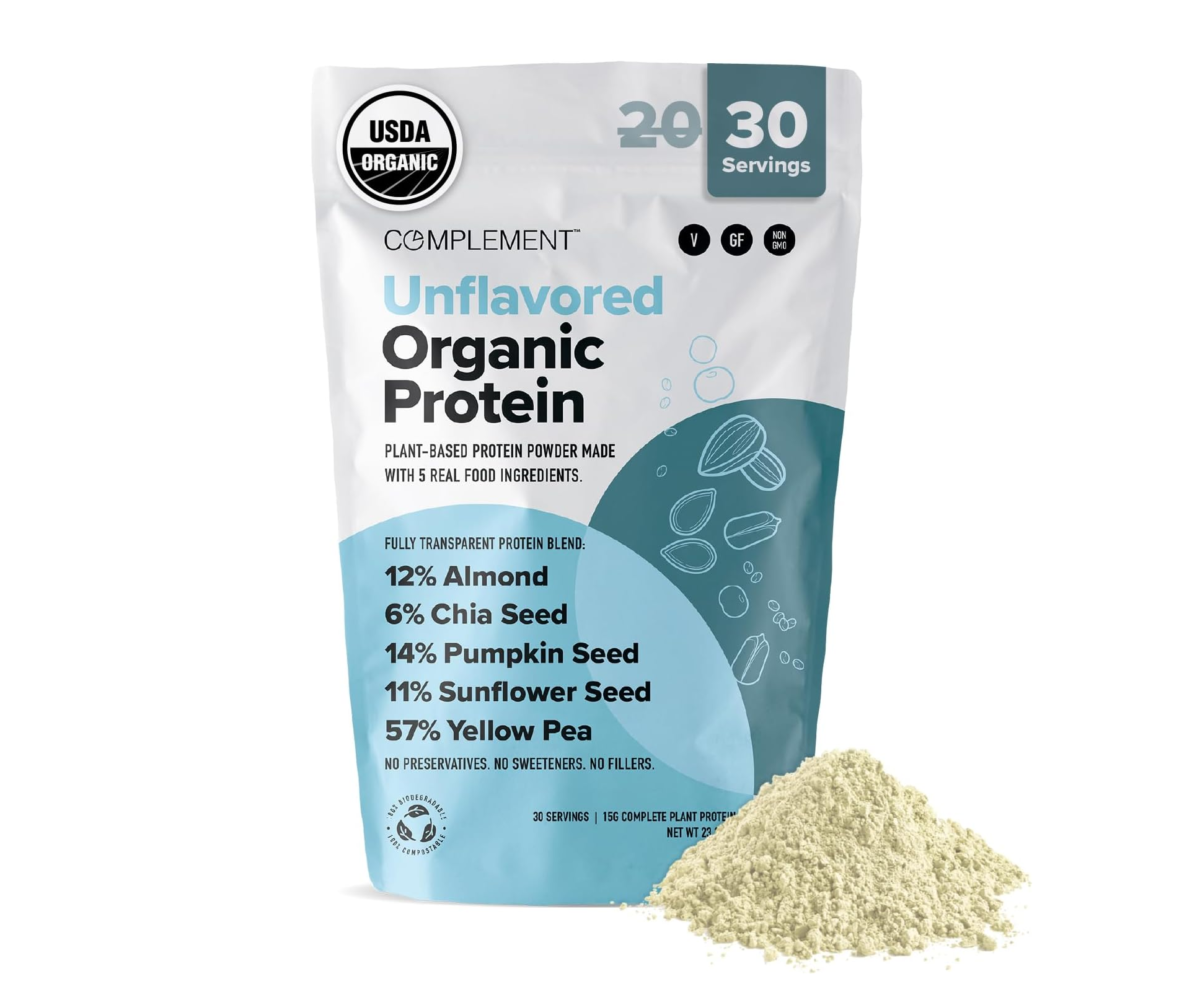
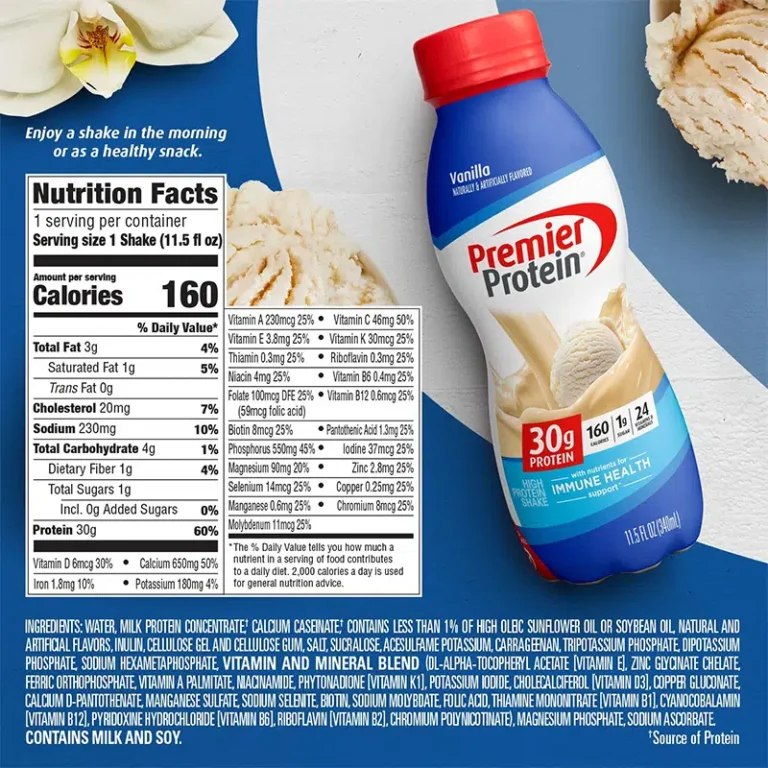
Unflavored protein powder usually tastes mildly milky, earthy, nutty, or slightly chalky. It has no added flavor like chocolate or vanilla, but it does not always taste completely neutral.
If you shop for protein powder at Walmart, Target, Costco, or a local grocery store in the United States, you may notice two main options: flavored and unflavored. Flavored powders often contain sweeteners and added flavors. Unflavored versions offer a simpler taste that you can mix into smoothies, oatmeal, pancake batter, or other everyday foods.
So, what does unflavored protein powder taste like when you actually drink it? The answer depends on its protein source, ingredients, processing, and how you prepare it. Whey protein often has a mild dairy taste, while pea protein can taste earthy or slightly grassy. Rice and soy protein have their own mild but distinct flavors.
The word unflavored can also be confusing. It usually means the maker has not added a specific flavor, such as strawberry, chocolate, or vanilla. It does not mean the powder has no natural taste. The protein itself can affect both flavor and texture.
Understanding these differences can help you choose a powder that fits your meals and taste preferences. It can also help you avoid the surprise of buying a plain protein powder and expecting it to taste like water.
Source: i.ytimg.com
What Does Unflavored Protein Powder Actually Taste Like?
Unflavored protein powder usually has a mild natural taste rather than a strong or sweet flavor. Depending on the type, you may notice milk, cream, nuts, beans, oats, or a faint earthy note. Some powders taste almost neutral when mixed into food, while others have a clear flavor when mixed with water.
Think of unflavored protein powder as plain yogurt rather than flavored yogurt. Plain yogurt does not contain added strawberry or vanilla flavor, but it still has a taste of its own. Protein powder works in much the same way.
The taste can also change after mixing. A powder that seems mild when dry may taste stronger in water. Adding milk, fruit, or yogurt can soften its natural flavor and make it easier to drink.
There is no single taste shared by every unflavored protein powder. The protein source is one of the biggest factors, followed by the other ingredients and the way you prepare it.
Source: veganproteinpowder.reviews
Mild and milky
Common with whey-based powders, especially those made from whey concentrate or whey isolate. Some have a light dairy or creamy note.
Earthy and nutty
Often found in plant-based powders made from peas, seeds, nuts, or grains.
Slightly bitter
Some protein sources have natural bitter or beany notes. These may become more noticeable when mixed with plain water.
Chalky or grain-like
This describes mouthfeel more than flavor. It can happen when the powder does not fully disperse in liquid.
Nearly neutral
Some products have a very mild taste, especially when mixed into strongly flavored foods.
Does Unflavored Mean Tasteless?
No. Unflavored and tasteless do not mean the same thing. Unflavored usually means the manufacturer has not added a distinct flavor such as chocolate, vanilla, or banana.
The protein ingredients still have natural aromas and flavors. Processing methods can also affect the final taste. For example, whey may have a dairy note, while pea protein may have a plant-like taste.
A truly neutral taste is not guaranteed. If you want a powder that blends into food without changing its flavor much, look for products with simple ingredients and mild taste descriptions.
Unflavored
No added signature flavor, although the natural protein taste remains.
Unsweetened
No added sweetener, although the ingredients may still have a naturally sweet or mild taste.
Tasteless
A description of a nearly neutral sensory experience, not a guarantee made by the word unflavored.
How Different Types of Unflavored Protein Powder Taste
The protein source has a major effect on taste. Two products can both say unflavored on the front of the package and still taste very different. This is why checking the main protein ingredient matters before buying.
Animal-based powders often have a mild dairy taste, while plant-based powders can have earthy or grain-like notes. However, these are general patterns rather than fixed rules. Processing, added ingredients, and the source of the raw material can change the result.
The following comparison explains the common taste and texture traits of popular protein types. It is a practical starting point, not a guarantee that every brand will taste the same.
Source: i.ytimg.com
Whey protein
Often has a mild milk-like flavor. Some varieties taste creamy, while others have a faint dairy or slightly bitter finish.
Whey isolate
Often tastes relatively light and clean. Its flavor can be less creamy than some whey concentrates, but products still vary.
Casein protein
Can have a mild dairy taste and a thicker, creamier mouthfeel. It may feel more like a thick drink than a thin shake.
Pea protein
May taste earthy, grassy, or slightly bean-like. Its texture can be somewhat dense or chalky.
Soy protein
Can have a mild beany or nutty taste. Some products have a stronger plant-like aftertaste.
Brown rice protein
Often has a grain-like, earthy, or slightly dry flavor. It may feel gritty if it does not mix well.
Hemp protein
Usually has a noticeable earthy, nutty, or seed-like taste. Its texture can be coarse because hemp powders may contain more fiber.
Collagen peptides
Many plain collagen peptide products have a relatively mild taste, although some have a slight animal-derived or broth-like note. They are not nutritionally identical to complete protein powders.
What Does Unflavored Whey Protein Taste Like?
Unflavored whey protein usually tastes like a very mild dairy drink. You may notice a light milk flavor, a creamy finish, or a faint whey-like aftertaste. When mixed with cold water, some products taste thinner and less creamy than they do in milk.
Whey concentrate may retain more components of milk than whey isolate. This can affect its taste and texture. Still, the exact difference depends on the product and its processing.
If you dislike strong artificial sweetness, plain whey may be easier to use in recipes. However, a naturally mild dairy taste can still be noticeable in a glass of water.
Best flavor match
Plain milk, light cream, or a mild dairy drink.
Possible aftertaste
A faint milky, mineral-like, or slightly bitter finish.
What Does Unflavored Plant Protein Taste Like?
Unflavored plant protein can taste more earthy than whey. Pea, hemp, rice, and soy proteins have different natural flavors, so it helps to identify the main ingredient before making a purchase.
Pea protein may remind you of mild beans or green vegetables. Hemp protein can taste like seeds or nuts, while rice protein may have a dry, grain-like flavor. Blended plant powders combine several sources, which can create a more balanced taste but may not remove all earthy notes.
These natural flavors are not automatically signs of poor quality. They are part of the ingredients. If you want a mild plant-based option, consider trying a small package before buying a large container.
Pea
Earthy, grassy, or slightly beany.
Hemp
Nutty, earthy, and sometimes grassy.
Rice
Mild, grain-like, and sometimes dry.
Soy
Mildly nutty or beany, depending on processing.
Why Does Unflavored Protein Powder Have a Strange Aftertaste?
An unusual aftertaste can come from the protein source, natural compounds in the ingredients, or other parts of the formula. Some people notice bitterness, dryness, a faint mineral taste, or a lingering plant-like flavor after drinking plain protein powder.
Protein powders contain more than just isolated protein in every case. Depending on the product, the ingredient list may include lecithin, enzymes, gums, minerals, or other processing aids. These ingredients can affect how a powder smells, mixes, and tastes.
Your own taste preferences also matter. A person who enjoys plain milk may find unflavored whey easy to drink. Someone who dislikes beans may notice the earthy flavor of pea protein much more strongly.
An aftertaste alone does not prove that a powder is unsafe or spoiled. However, a sudden change in smell or flavor, especially alongside moisture, mold, damaged packaging, or an expired product, deserves caution.
Source: optimumnutrition.co.in
Natural protein flavor
Different protein sources have different taste compounds. Some leave a mild bitter, earthy, or dairy-like finish.
Added minerals
Mineral ingredients can sometimes create a faint metallic or mineral-like taste.
Sweetener ingredients
Some products marketed as unflavored may still contain sweeteners. Check the ingredient list rather than relying only on the front label.
Oxidation or poor storage
Exposure to air, heat, and moisture can affect quality over time and may create stale or unpleasant odors.
Personal taste sensitivity
People do not all perceive bitterness, sweetness, and earthy flavors in the same way.
Is a Bitter Taste Normal?
A faint bitter note can occur in some unflavored protein powders, particularly certain plant-based formulas. The strength of that flavor depends on the ingredients and processing.
A strong, harsh, rancid, sour, or otherwise unusual taste should not be dismissed as normal protein flavor. Stop using the powder if it smells or looks abnormal. Check the package, expiration date, storage instructions, and manufacturer guidance.
Do not taste a product to test whether it is safe when you already see signs of spoilage. When in doubt, discard it or contact the manufacturer.
Usually expected
A mild earthy, nutty, milky, or slightly bitter taste that matches the product’s protein source.
Reason for caution
A new rancid smell, mold, damp clumps, damaged packaging, or a strong unpleasant change in taste.
What Does Unflavored Protein Powder Taste Like With Water?
When you mix unflavored protein powder with water, you usually notice its natural flavor more clearly. Water does not add sweetness, creaminess, or much flavor to cover the protein itself.
Whey mixed with water may taste like a thin, mildly milky drink. Pea protein may have an earthy or bean-like flavor, while hemp and rice powders can taste more grainy or nutty. The final result also depends on the amount of water you use.
A thicker mixture can make some powders feel more filling, but it may also make the texture more noticeable. Adding extra water can thin the drink, although it will not remove the natural flavor.
If you are trying a new product, start with the serving directions on its label. Mix it well in a shaker or blender, then adjust the liquid amount to suit your preferred texture.
Source: lifesuccessjournal.com
Cold water
Creates a light drink and may make natural flavors easier to notice.
Room-temperature water
May make some powders easier to mix, although results depend on the formula.
Too little water
Can create a thick mixture with a concentrated taste and a chalky mouthfeel.
Shaker bottle
Can help break up lumps and improve the drinking texture.
Does Unflavored Protein Powder Dissolve Completely?
Not always. Some powders disperse well, while others leave small particles or sediment at the bottom of the glass. Protein type, particle size, added ingredients, liquid temperature, and mixing method can all affect the result.
Dissolving and dispersing are not exactly the same. A powder may spread through water without fully dissolving at the molecular level. This is why some protein drinks remain slightly cloudy or leave a little residue.
A blender or shaker can improve the mixture. If the drink remains unpleasantly gritty, try a different liquid or preparation method. Persistent texture problems may also mean that another protein source is a better fit.
For fewer lumps
Add liquid first, then add the powder and shake or blend.
For a smoother drink
Use a blender and follow the product’s mixing directions.
How to Make Unflavored Protein Powder Taste Better
You can make plain protein powder taste better by combining it with foods and drinks that complement its natural flavor. The goal is not to hide every trace of protein but to create a balanced mixture that you enjoy.
For example, whey often works well with milk, yogurt, bananas, and oats. Plant-based protein can pair with cocoa, peanut butter, berries, cinnamon, or other ingredients that balance earthy notes.
You do not need an elaborate recipe. A few common ingredients from an American kitchen can change the taste and texture of a basic protein drink. Start with a small amount of added flavor and adjust it gradually.
Remember that additions change the nutrition of the final drink. Milk, nut butter, fruit, honey, and yogurt can add calories, carbohydrates, fat, or sugar. This may be useful for some people but may not match every nutrition goal.
Source: i.pinimg.com
Use milk instead of water
Cow’s milk or an unsweetened plant milk can create a creamier drink and soften the natural protein flavor.
Add a banana
A ripe banana adds natural sweetness and a smooth texture. It works especially well in a blender.
Mix in cocoa powder
Unsweetened cocoa gives the drink a chocolate-like flavor without requiring a flavored protein product.
Try peanut butter
A small amount adds a nutty taste and a richer mouthfeel. It also adds fat and calories.
Use Greek yogurt
Greek yogurt creates a thicker mixture and adds its own tangy dairy flavor.
Add cinnamon or vanilla extract
These ingredients can give a plain shake a warmer, more familiar flavor.
Easy Banana Protein Shake
A banana shake is one of the simplest ways to improve the taste of unflavored protein powder. The fruit adds sweetness and helps create a smoother drink.
For one serving, combine the ingredients below in a blender. Adjust the liquid to reach your preferred consistency and follow the protein powder’s serving directions.
Ingredients
One serving of unflavored protein powder, one ripe banana, one cup of milk or unsweetened plant milk, and a few ice cubes.
Preparation
Add the liquid to the blender first. Add the banana, protein powder, and ice. Blend until smooth.
Taste adjustment
Add a little cinnamon or cocoa powder if you want a stronger flavor.
Can You Add Unflavored Protein Powder to Coffee?
Yes, some unflavored protein powders can be mixed into coffee. However, direct exposure to very hot liquid can cause some powders to clump or form an uneven texture.
A practical method is to mix the protein powder with a small amount of cool or room-temperature liquid first. Stir it into the coffee gradually, and avoid assuming that every formula will behave the same way.
Whey, casein, and plant proteins may respond differently to heat. If the product label provides instructions for hot drinks, follow those directions. Otherwise, test a small amount before preparing a full cup.
Start with a small amount
This helps you check the taste and texture before adding a full serving.
Mix before adding
A smooth paste made with cool liquid may help reduce clumping.
Watch the temperature
Very hot coffee can make some protein mixtures clump or change texture.
Can You Use Unflavored Protein Powder in Everyday Foods?
Yes. Unflavored protein powder can be added to many foods because it does not bring a strong chocolate, vanilla, or fruit flavor. This makes it useful when you want to change a recipe without making it taste like a dessert shake.
Breakfast foods are a common starting point. You can add a suitable powder to oatmeal, pancakes, waffles, yogurt, or smoothies. Small amounts are often easier to incorporate than a full serving.
You can also use some unflavored protein powders in savory recipes. Plain soups, mashed potatoes, sauces, and certain baked foods may work, depending on the protein type and how it responds to heat.
The important point is that protein powder is not a universal replacement for flour, milk powder, or other recipe ingredients. It can absorb liquid, change the texture, and make food dense or dry if you add too much.
Source: veganproteinpowder.reviews
Oatmeal
Stir the powder into cooked oatmeal after it has cooled slightly. Add extra milk or water if the mixture becomes too thick.
Pancakes
Replace only a portion of the flour with protein powder. Too much can make pancakes dry or rubbery.
Yogurt
Mix a small amount into plain yogurt. Add fruit if you want more sweetness.
Smoothies
Blend with fruit, milk, and other ingredients to balance the natural flavor.
Soups
Some plain protein powders may work in suitable soups, but heat and texture tolerance vary by protein source.
Baked foods
Protein powder can alter moisture and structure. Use recipes designed for protein powder rather than adding large amounts at random.
Does Unflavored Protein Powder Change the Taste of Food?
It can. Unflavored powder may add a mild dairy, earthy, nutty, or grain-like note to food. The effect is usually easier to notice in recipes with few ingredients or a delicate flavor.
For example, a small amount of plain whey in oatmeal may be difficult to notice when mixed with fruit. The same powder may stand out more in plain water or a lightly flavored soup.
Start with less than a full serving when testing a new recipe. This lets you check the taste and texture before changing the entire dish.
Mild foods
Plain rice porridge or lightly flavored oatmeal may reveal more of the powder’s natural taste.
Strongly flavored foods
Cocoa, berries, cinnamon, and savory seasonings may make natural protein flavors less noticeable.
Can You Cook With Unflavored Protein Powder?
Some unflavored protein powders can be used in cooked recipes, but the result depends on the protein type and cooking method. Heat can change protein structure, and this may affect texture even when the protein remains part of the food.
Whey protein can make baked goods dry or firm if used in excess. Plant proteins may also create a dense or gritty texture. Collagen peptides behave differently from complete protein powders and should not be treated as a direct substitute for them.
Use a recipe developed for the specific protein source when possible. Avoid adding large amounts to a dish without adjusting its liquid and other ingredients.
Use small amounts first
Test the effect on flavor and moisture before changing a whole recipe.
Follow product directions
Check whether the manufacturer provides cooking or heating guidance.
Unflavored vs. Flavored Protein Powder: Which Tastes Better?
Flavored protein powder generally tastes sweeter and more recognizable, while unflavored powder has a simpler natural taste. Neither option is automatically better. Your choice depends on how you plan to use the powder and which flavors you enjoy.
A chocolate or vanilla product may be easier to drink with water because its added flavor and sweetener can cover some of the protein’s natural taste. An unflavored version gives you more control over the final flavor, especially when adding protein to meals.
However, unflavored does not always mean fewer ingredients or fewer calories. Some plain products contain additives, and some flavored products have relatively simple ingredient lists. Compare the Nutrition Facts panel and ingredient list rather than judging by the label alone.
If you mainly make shakes, a flavored powder may be more convenient. If you want to add protein to both sweet and savory foods, an unflavored option may offer more flexibility.
Source: content.active.com
How to Choose an Unflavored Protein Powder That Tastes Good
The best way to choose a good-tasting unflavored protein powder is to match its protein source and ingredient list to your preferences. Do not rely on the word plain or natural alone. Those terms do not tell you exactly how a product will taste.
First, decide whether you want an animal-based or plant-based protein. If you enjoy dairy flavors, whey may be a reasonable starting point. If you avoid animal ingredients, consider pea, soy, rice, hemp, or a suitable plant blend.
Next, check whether the product is truly unsweetened and unflavored. Some products described as unflavored still contain sweeteners, flavor-masking ingredients, or other additives. Read the full ingredient list to understand what you are buying.
Finally, look at the serving size, protein amount, allergens, and mixing directions. A powder may taste mild but still be unsuitable if it contains an ingredient you need to avoid.
Source: veganproteinpowder.reviews
Check the protein source
Identify whether the main ingredient is whey, casein, pea, soy, rice, hemp, or another protein.
Read the full ingredient list
Look for added sweeteners, flavors, gums, lecithin, and other ingredients that may affect taste or texture.
Check allergen information
Whey and casein come from milk. Soy protein contains soy. Plant-based products can also be made in facilities that handle other allergens.
Review the Nutrition Facts panel
Compare serving size, protein content, calories, carbohydrates, sugars, and other nutrients.
Look for a small package
A smaller container can reduce waste if you are unsure about the taste.
Consider independent quality information
Where available, review credible third-party testing information and understand what the testing covers. A quality certification does not guarantee that you will like the taste.
What Should You Check on the Label?
The front of a protein powder container is mainly a quick product summary. The ingredient list and Nutrition Facts panel provide more useful details about what is inside.
For example, a product may say unflavored but list ingredients beyond its protein source. These may serve mixing, processing, or nutritional purposes. Their presence does not automatically make a product bad, but it can help explain differences in taste and texture.
Also check the serving size. Two powders may look similar in the container but use different serving weights. Compare protein amounts per serving and, when useful, per gram of powder.
Ingredient order
Ingredients are generally listed by weight in descending order, which helps identify the main components.
Allergen statement
Review milk, soy, and other allergen information that applies to your needs.
Storage directions
Follow the manufacturer’s instructions to protect the powder from moisture, heat, and contamination.
Common Mistakes When Trying Unflavored Protein Powder
Many people dislike their first serving of unflavored protein powder because they expect it to taste like a flavored shake without the sweetness. That expectation can lead to disappointment, even when the product tastes normal for its protein source.
A better approach is to understand what the product is made from and how it behaves in different liquids. A little preparation can make the first experience much better.
It also helps to separate flavor problems from texture problems. A powder may have a mild taste but feel gritty, or it may blend smoothly while leaving an earthy aftertaste. These issues may need different solutions.
Source: veganproteinpowder.reviews
Expecting no taste at all
Unflavored powder still has the natural taste of its protein ingredients. Read the product description and ingredient list first.
Using only water
Water can expose natural protein flavors. Try milk, plant milk, or a smoothie if you prefer a softer taste.
Adding too much powder
An overly concentrated mixture may taste stronger and feel thicker. Follow the serving directions.
Ignoring texture
Grittiness and clumping can make a drink unpleasant even when its flavor is mild. Adjust the mixing method.
Assuming all plant proteins taste alike
Pea, hemp, soy, and rice proteins have different natural flavor profiles.
Ignoring storage
Moisture and poor storage can affect powder quality. Keep the container closed and follow its storage instructions.
Buying a large container immediately
A smaller package is a sensible way to test an unfamiliar protein source before committing to a larger amount.
How to Tell Whether the Taste Is Normal or a Quality Problem
A mild dairy, earthy, nutty, or grain-like flavor can be normal. These tastes may be more noticeable in plain water than in food or a smoothie.
A rancid, moldy, strongly sour, or distinctly unusual smell is different. Damp clumps, visible mold, damaged packaging, or signs of contamination are also reasons to stop using the product.
Check the expiration or best-by date and storage instructions. If you suspect a quality issue, contact the manufacturer and do not consume the powder until the concern is resolved.
Normal variation
Mild differences in bitterness, creaminess, earthiness, or texture between products.
Potential warning signs
Unexpected rancid odors, mold, moisture damage, or a strong change from the product’s usual smell and appearance.
Frequently Asked Questions
Q
Does unflavored protein powder taste like nothing?
No. Unflavored protein powder does not necessarily taste like nothing. It has the natural flavor of its main protein ingredient, even when the manufacturer does not add chocolate, vanilla, or fruit flavoring.
Whey may taste mildly milky, while pea and hemp proteins can have earthy or nutty notes. Some products are close to neutral, but a completely tasteless experience is not guaranteed.
Q
Is unflavored protein powder better than flavored protein powder?
Neither is automatically better. Unflavored protein powder gives you more control over the taste and can work in both sweet and savory recipes. Flavored powder is often more convenient when you want a ready-made shake.
Compare the protein source, ingredients, serving size, nutrition facts, and allergens. The better option is the one that fits your dietary needs and that you can use comfortably.
Q
Does unflavored whey protein taste like milk?
Unflavored whey protein often has a mild milk-like or creamy taste. However, it does not taste exactly like a glass of milk because it is a concentrated protein ingredient rather than regular milk.
Some whey powders have a slightly bitter or dairy-like finish. Mixing them with milk may create a creamier drink, while water produces a lighter taste.
Q
Can you drink unflavored protein powder with just water?
Yes. You can mix unflavored protein powder with water if the product label recommends that preparation method. The result may taste mild, earthy, or slightly milky, depending on the protein source.
Use the recommended serving size and enough liquid to create a drinkable consistency. A shaker or blender can help reduce lumps and improve the texture.
Q
Why does my unflavored protein powder taste chalky?
A chalky taste or mouthfeel can come from particles that do not fully disperse in the liquid. The protein source, powder texture, serving amount, and mixing method can all contribute.
Try adding liquid first, then the powder. Use a shaker or blender and adjust the amount of liquid. If the powder remains unpleasantly gritty, another protein source or formula may suit you better.
Q
Can I add unflavored protein powder to coffee?
Yes, you can add some unflavored protein powders to coffee. However, very hot liquid may cause clumping or an uneven texture, depending on the protein type.
Mix the powder with a little cool liquid first, then gradually add it to the coffee. Follow the manufacturer’s heating and preparation directions whenever they are available.
Q
Does unflavored protein powder have an aftertaste?
It can. Some products leave a mild dairy, earthy, nutty, bitter, or mineral-like aftertaste. The strength depends on the ingredients and the person’s taste preferences.
Adding fruit, milk, cocoa, or yogurt may reduce how noticeable the aftertaste is. A strong rancid or unusual taste, however, should not be treated as an ordinary flavor difference.
Q
Is unflavored protein powder suitable for people who avoid sugar?
Some unflavored protein powders contain no added sugar, but the label must be checked. Unflavored does not automatically mean sugar-free or carbohydrate-free.
Look at the total sugars and added sugars on the Nutrition Facts panel. Also review the ingredient list because some products may contain sweeteners or other carbohydrate sources.
Q
Can unflavored protein powder taste sweet?
Yes. Some protein ingredients have a naturally mild or slightly sweet taste. A product may also contain sweeteners even when it is marketed as unflavored.
Check the ingredient list for sweetening ingredients if you want a completely unsweetened powder. Do not assume that a lack of chocolate or vanilla flavor means there is no sweetener.
Q
Does unflavored protein powder expire?
Yes. Protein powder has a shelf life, and its quality can decline during storage. The date on the package, storage conditions, and whether moisture has entered the container all matter.
Keep the powder sealed and dry, follow the manufacturer’s storage directions, and avoid using it if you see mold, moisture damage, or unusual odors. Do not rely on smell alone to determine whether an old product is safe.
✦ Wrapping Up
Conclusion
So, what does unflavored protein powder taste like? In most cases, it has a mild natural flavor rather than no flavor at all. Depending on the protein source, it may taste milky, creamy, earthy, nutty, grain-like, or slightly bitter.
Whey protein often has a light dairy taste, while plant-based options such as pea, hemp, soy, and rice protein can have more noticeable earthy or seed-like notes. Texture also matters. Some powders mix into a smooth drink, while others feel thick, gritty, or chalky.
The way you prepare the powder can make a big difference. Water lets you notice its natural taste, while milk, bananas, yogurt, cocoa, and other ingredients can create a smoother and more enjoyable drink. You can also add suitable unflavored protein powder to oatmeal, pancakes, smoothies, and some savory recipes.
Before buying, check the protein source, ingredient list, Nutrition Facts panel, allergens, and storage directions. If you are unsure about the flavor, start with a small package rather than buying a large container. This simple step can help you find a product that fits your taste and daily routine.
💡 Key Takeaway
Start by choosing an unflavored protein powder based on its protein source. Mix one label-directed serving with water to understand its natural taste, then try milk or a smoothie if you prefer a creamier flavor. Check the full ingredient list and choose a smaller package when testing an unfamiliar product.
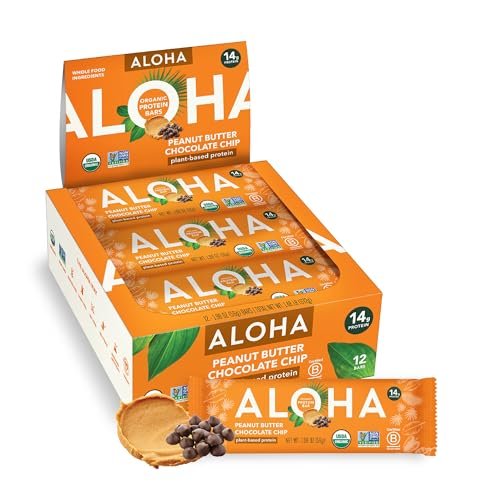
If you’ve ever asked yourself what protein bars are the healthiest while standing in the snack aisle, you’re not alone. The shelf is packed, and half those…